
Plants
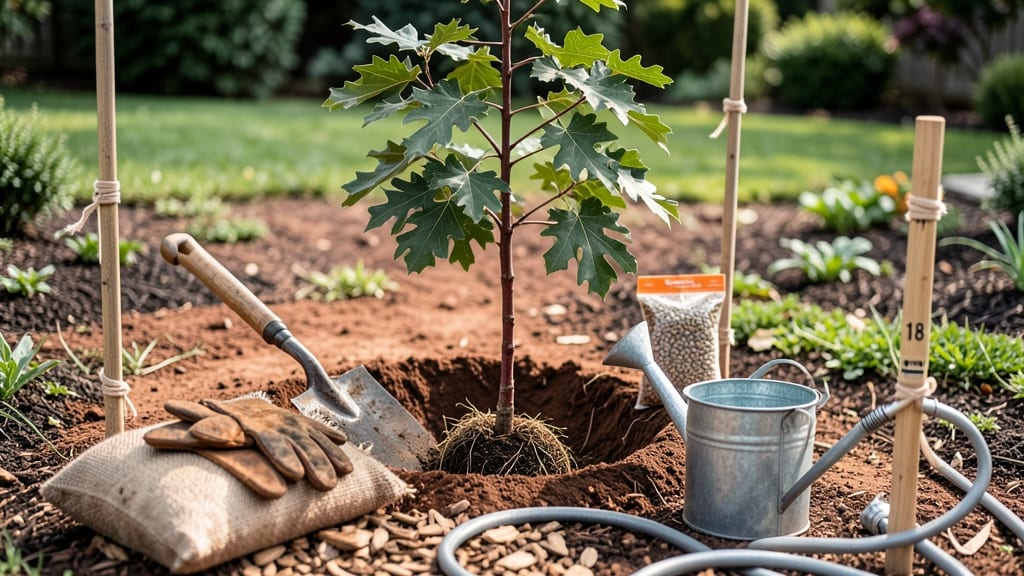
Planting a tree in Texas at the right time ensures strong roots and long-term survival 🌳 — and missing the window can leave you with a sad, wilted investment.
You’ve spent good money on that new tree, but if you plant it in the scorching summer heat or during a late frost, even the hardiest species will struggle.
Texas’ climate zones—from North to South—demand different strategies, and the best months for planting shift dramatically depending on where you live.
In this guide, I’ll break down the optimal planting windows for each Texas region, share the critical factors that make or break your tree’s survival, and recommend the top species for your local climate. No more guesswork—just science-backed timing for a tree that thrives.
Ready to plant with confidence? Let’s dive into the exact months and techniques that’ll give your tree the strongest start in Texas’ tough conditions.
Best planting months in Texas by region: North vs central vs South
Texas’ diverse climate zones mean your tree planting timing depends entirely on where you live. The North Texas region (think Dallas-Fort Worth) has cooler winters and earlier freezes, while Central Texas (Austin-San Antonio) enjoys milder winters, and South Texas (Houston-Corpus Christi) stays warm year-round.
Planting outside these windows risks transplant shock or stunted growth.
For North Texas, aim for October through December when soil stays warm enough for root establishment but temperatures drop below 90°F.
This fall window gives young roots time to anchor before winter dormancy. Central Texas gardeners should plant between November and January, avoiding the summer heatwave that can stress newly planted trees.
In South Texas, the ideal window shifts to February through March—just before the spring heat ramps up. This timing lets trees establish roots during cooler months while avoiding the brutal summer drought. Each region’s soil moisture and temperature fluctuations play a critical role in survival.
| Region | Best Planting Window | Soil Prep Tip | Moisture Strategy | Avoid Planting When |
|---|---|---|---|---|
| North Texas | October–December | Amend clay soil with compost and sand for drainage | Deep water 2x/week until roots establish | Summer heat (95°F+) or freeze threats |
| Central Texas | November–January | Test soil pH (aim for 6.0–7.5) and add lime if needed | Mulch with 3 inches of wood chips to retain moisture | Spring (March–May) drought or summer heatwaves |
| South Texas | February–March | Improve sandy soil with organic matter (e.g., peat moss) | Water deeply 1x/week to encourage deep roots | Summer (June–August) extreme heat (100°F+) |
In North Texas, focus on bare-root trees during November when soil temperatures hover around 60–70°F. This gives roots time to establish before the winter chill. For Central Texas, container-grown trees planted in December benefit from the mild winter, reducing transplant shock.
Meanwhile, South Texas gardeners should prioritize drought-tolerant species like Live Oak or Mexican Sycamore and plant in February to avoid the summer dry spell.
Regardless of region, soil preparation is non-negotiable. Test your soil’s drainage and pH—Texas soils often need amendments like compost or gypsum to improve structure. In North Texas, clay soil can become waterlogged, while South Texas sands drain too quickly. Adjust with organic matter to balance moisture retention.
Moisture management is equally critical. Newly planted trees need consistent watering—not just a quick drink. In Central Texas, mulching with wood chips helps retain soil moisture during the spring drought.
For South Texas, deep watering once weekly encourages roots to grow downward, where moisture lingers longer. Avoid shallow watering, which promotes surface roots vulnerable to heat stress.
Timing isn’t just about months—it’s about weather patterns. Check your local frost dates: North Texas averages its last freeze around January 15, while South Texas rarely sees frost after December 1.
Plant too early, and your tree may face freeze damage; too late, and it struggles with summer heat. Use a soil thermometer to confirm temperatures are ideal (60–70°F for most species).
Pro tip: Container-grown trees can be planted year-round in Texas, but they still thrive best during cooler months. Their root systems are less disrupted by temperature swings, making them a great option if you miss the ideal window.
Just ensure the root ball stays moist during transplant. For bare-root trees, plant them as soon as possible after purchase to minimize root desiccation.
Finally, consider your tree’s maturity rate. Fast-growing species like Silver Maple can handle summer planting with extra care, but slower growers like Southern Magnolia need the cool-season advantage to establish.
Always match your species choice to your region’s climate—Live Oak in South Texas vs. Cedar Elm in North Texas—both thrive when planted correctly.
With the right timing, your tree will develop a strong root system before facing Texas’ extreme seasons. Whether you’re in Dallas
Critical factors that determine your tree’s survival in Texas heat
Texas heat isn’t just about summer temperatures—it’s about soil moisture retention and how your tree handles stress. Even if you plant during the optimal cool-season window, poor soil preparation can turn your new tree into a drought casualty within months.
The key lies in understanding how root development responds to Texas’ variable climate.
First, focus on drought-tolerant species like Texas Red Oak or Eastern Red Cedar. These natives thrive with minimal supplemental water once established, but their root systems need time to adapt during the first critical 6-12 months.
Planting in late fall or winter gives roots a head start before the spring heatwave arrives.
Here’s the game-changer: Soil moisture retention is more important than rainfall. Amend your soil with organic matter (like compost or aged manure) to improve water retention.
A 3-inch layer of mulch around the base reduces evaporation by up to 70%—critical in Texas’ 100°F+ summers. Without this, even well-timed plantings can fail.
🌱 Texas Tree Survival Checklist
- 📅 Plant in: Fall (Oct-Dec) or Winter (Jan-Feb)
- 💧 Water deeply: 2-3x/week first year, 1x/month after
- 🌿 Mulch: 3-inch layer (keep 6" from trunk)
- 🌱 Soil: Amend with compost for moisture retention
- 🌡️ Avoid: Transplant shock in summer heat
Transplant shock is the silent killer of Texas trees. Even if you plant during the cool season, stress from root disturbance or poor handling can weaken your tree before it adapts.
Always water thoroughly before digging and prune damaged roots at planting. For container-grown trees, remove the pot and loosen roots gently to encourage spread.
Leverage Texas’ cool-season advantage by planting when evapotranspiration rates drop. From November to February, cooler temps and higher humidity give roots time to establish before summer stress.
This is why North Texas gardeners plant in October-December, while South Texas waits until February-March—both strategies align with local microclimates.
Finally, monitor soil moisture like a hawk. Stick your finger 2 inches deep—if it’s dry, water deeply. Drip irrigation is ideal for new trees, delivering water slowly at the root zone to prevent runoff.
With these critical factors in place, your tree stands a 90%+ chance of surviving Texas’ brutal heat. 🌳