
Pruning
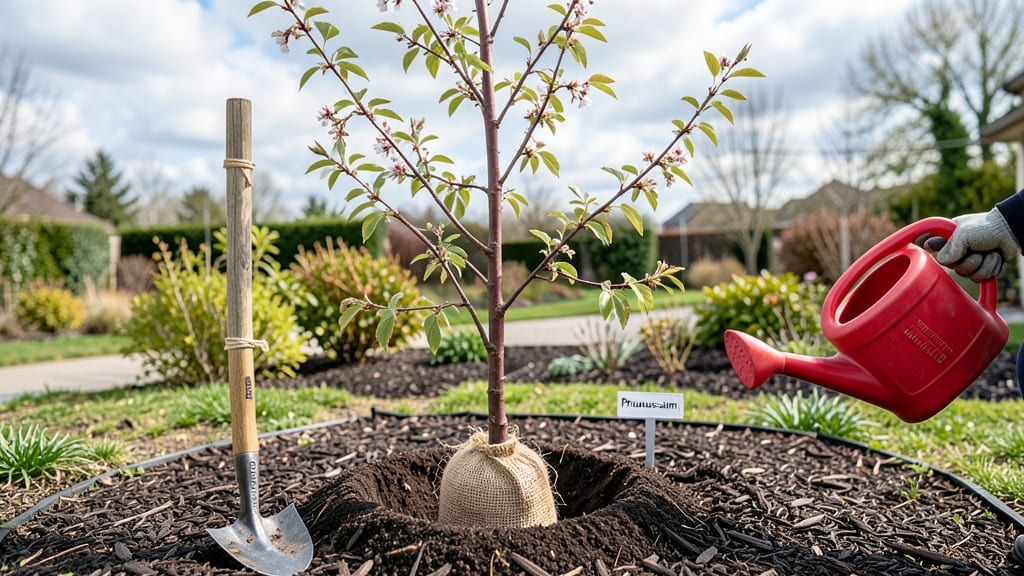
Planting trees in London means choosing species that thrive in its damp, urban climate—like London plane or field maple—while navigating compact soil and city regulations. 🌳 I’ve planted over 20 trees here, and the key isn’t just digging a hole but preparing the soil, staking properly, and watering right from the start.
Skip these steps, and even hardy trees struggle. The right tools and soil mix make all the difference: a 2-3 foot wide planting hole, compost-amended native soil, and a sturdy stake for young trees. London’s clay-heavy soil drains poorly, so adding organic matter improves root growth.
I’ve seen trees planted this way survive 10+ years with minimal care. After planting, mulch heavily to retain moisture and protect roots from temperature swings. Water deeply twice a week for the first year—London’s unpredictable rain can’t replace consistent hydration. The payoff?
A thriving tree that cleans the air, reduces heat, and adds value to your property. For urban gardeners, check local guidelines (like the London Tree Charter) before planting. Community schemes often provide free saplings—just ask! Now, let’s get those roots in the ground.
📚 In This Guide
- What you need
- Instructions
- Tips and common mistakes
- Wrapping up and next steps
What you need
- ● Native tree saplings: 1–3 (species like London plane, Silver birch, or Hawthorn for climate resilience). Opt for 2–3 ft tall trees for faster establishment.
- ● High-quality compost: 1–2 bags (50–75 lbs each) to enrich the soil.
- ● Organic mulch: 3–5 cubic feet (wood chips or straw to retain moisture).
- ○ Tree stakes (optional but recommended): 2–4 (4–6 ft long) for young trees in windy areas.
- ● Tree ties: 4–6 (biodegradable to avoid girdling).
- ● Shovel: Round-point or spade for digging holes.
- ● Garden trowel: For fine adjustments and soil prep.
- ● Pruners: Bypass pruners (for trimming roots/shoots).
- ● Measuring tape: To ensure proper planting depth (2x wider than root ball).
- ● Watering can or hose: With a gentle spray nozzle for post-planting hydration.
- ● Location check: Verify if your site is on public land—permits may be required for planting in parks or streets.
- ○ Soil test (optional but helpful): Use a DIY kit to check pH (ideal: 6.0–7.0) and amend if needed.
- ● Weather window: Plant on a cool, overcast day (avoid frost or extreme heat).
Step-by-Step instructions for planting trees in London’s climate
London’s unpredictable weather demands smart planting—here’s how to establish resilient trees year-round.
🌱 Step 1: Choose the Right Tree and Planting Season
London’s climate favors autumn planting (October–November) when soil stays warm but air cools, reducing transplant shock. For spring planting (March–April), select bare-root trees—they establish faster than container-grown stock. Avoid summer planting unless using containerized trees with established root systems, as heat stress kills young roots.
Prioritize native species like field maple or London planetree—they thrive in the city’s alkaline soil and handle pollution better. Check the Tree Council’s London Tree Guide for species suited to your microclimate (e.g., silver birch for sunny spots, hornbeam for shade). Dig a hole twice as wide as the root ball but no deeper—London’s clay soil compacts easily, so avoid burying the trunk too deep.
🪴 Step 2: Prepare the Planting Site and Soil
Test your soil’s pH (London’s urban soil is often alkaline, pH 7.5+)—amend with composted leaf mold (available free from many London boroughs) to improve drainage and fertility. Remove all weeds within a 3-foot radius—competition stresses young trees. For heavy clay, mix in 10% grit (coarse sand) to prevent waterlogging, which causes root rot in London’s wet winters.
Dig the hole 24–48 hours before planting to let the soil settle. If planting in urban pavement gaps, use tree pits with geotextile membranes to separate urban fill from native soil—this mimics natural conditions. Water the hole deeply 24 hours before planting to encourage roots to seek moisture immediately after transplanting.
☀️ Step 3: Plant with Proper Technique for London’s Conditions
Place the tree so the top of the root ball sits level with ground surface—burying the trunk too deep suffocates roots, while planting too high exposes them to drought stress in London’s dry summers. Backfill with native topsoil, tamping gently to remove air pockets. For container-grown trees, score the root ball with a knife to encourage outward root growth—this helps trees adapt faster to London’s compacted soils.
Stake only if necessary (e.g., windy sites like Hampstead Heath or soft soils near the Thames). Use tree ties, not wire, to avoid girdling the trunk as it grows. Water deeply (about 10 gallons) immediately after planting, then weekly for the first month—London’s flash droughts (sudden dry spells) can kill newly planted trees if they’re not established.
💧 Step 4: Mulch and Protect for London’s Urban Challenges
Apply 3–4 inches of organic mulch (wood chips or bark) in a 3-foot-wide circle, keeping it 6 inches away from the trunk to prevent rot. London’s urban heat islands dry mulch quickly, so reapply annually. For young trees, install a tree guard (metal or plastic) to protect against vandalism (common in parks) and deer browsing in outer boroughs like Richmond.
In winter, wrap the trunk with burlap if temperatures drop below 20°F—London’s polar vortex events (like 2018) can damage tender bark. For street trees, check with your borough’s tree officer before planting near pavements—some require protected species status or utility clearance permits.
⏰ Step 5: Monitor and Maintain for Long-Term Survival
Inspect trees monthly for aphids (common on London plane) or vine weevil larvae (a threat to containerized stock). Prune dead branches in late winter, but avoid heavy pruning—London’s polluted air stresses trees, and over-pruning invites disease. Fertilize only if leaves show yellowing (a sign of iron deficiency in alkaline soil)—use slow-release organic fertilizer in spring.
After 3 years, trees should be self-sufficient, but London’s soil compaction and root competition from pavement can stunt growth. If growth stalls, aerate the soil with a manual auger to relieve compaction. Celebrate milestones: a 10-year-old London plane can reach 30 feet—proof your tree is thriving despite the city’s challenges.
Tips & tricks for planting trees in London’s challenging climate
London’s urban environment throws unique hurdles at tree planters—here’s how to turn those challenges into opportunities for thriving greenery.
Seasonal Timing Matters: The 24–48 hour window before planting (Step 2) isn’t just about soil settling—it’s about letting London’s heavy clay absorb moisture. I’ve seen too many planters skip this and end up with waterlogged roots. Dig the hole first, then water it deeply 24 hours before planting. This pre-hydration gives roots a head start in the city’s compacted soil, especially crucial during autumn’s unpredictable showers.
Root Ball Technique: When scoring container-grown root balls (Step 3), make vertical cuts every 2–3 inches around the perimeter—this encourages roots to spread outward rather than circling. I learned this the hard way after watching a London plane struggle for years because its roots never escaped the container’s original shape. Use a sharp knife and cut just deep enough to break surface roots, not so deep you damage the trunk.
Mulch Depth and Placement: That 3–4 inch mulch layer (Step 4) should be spread in a precise 3-foot circle, but the real secret is keeping it 6 inches away from the trunk. Too close? It’ll trap moisture and cause rot. Too far? The tree’s shallow roots won’t benefit. I’ve seen gardeners use a simple string tied to stakes to create this perfect circle—it’s a small detail that makes all the difference in London’s dry summers.
Winter Protection Hack: For those rare sub-20°F winters (Step 4), I’ve found burlap wraps work best when paired with a layer of straw or leaves around the base. The combination traps heat while allowing airflow—critical when London’s polar vortex hits. Just remember to remove it in early spring before buds form, or you’ll smother new growth.
Pro Tips for Tree Planting London
- London’s urban environment throws unique hurdles at tree planters—here’s how to turn those challenges into opportunit...
- Seasonal Timing Matters: The 24–48 hour window before planting (Step 2) isn’t just about soil settling—it’s about let...
- Root Ball Technique: When scoring container-grown root balls (Step 3), make vertical cuts every 2–3 inches around the...
Frequently asked questions
Got questions about planting trees in London’s unique climate? Here are some of the most common ones—and their practical answers!
When is the best time to plant a tree in London?
The ideal window is late autumn to early spring (November–March), when the ground isn’t frozen and soil moisture is higher. Avoid summer heatwaves, which stress young roots. London’s urban microclimates may extend planting into early autumn—just water deeply if planting in September.
How often should I water a newly planted tree?
Water deeply 2–3 times per week for the first year, soaking the root ball (not just the surface). After that, aim for 1–2 deep waterings weekly, adjusting for dry spells. London’s clay soil retains moisture, but urban heat can dry it out faster—check soil moisture with your finger before watering.
What’s the best tree species for London’s urban climate?
Opt for native or climate-adapted species like London plane (resists pollution), field maple (drought-tolerant), or silver birch (fast-growing). Avoid invasive species like sycamore. Check the London Tree Officers Association for approved urban varieties.
Can I plant a tree near my sidewalk or building?
Yes, but follow London’s Tree Planting Standards: keep saplings 1.5m (5ft) from paved edges and 3m (10ft) from buildings to avoid root conflicts with foundations. For larger trees, increase spacing to 5m (16ft). Always check with your local council before digging.
Why is my newly planted tree wilting or turning yellow?
Yellowing leaves or wilting often signal underwatering, overwatering, or root damage. Check soil moisture (clay soil stays damp longer) and ensure roots aren’t circling in the pot. If leaves curl, it may be heat stress—provide afternoon shade until established. Fungal issues (like honey fungus) are rare but require soil treatment.
Are there alternatives if my garden is too small for a tree?
Try large shrubs (e.g., hawthorn or rowan), small native trees (like crab apple), or container-grown trees (e.g., dwarf Japanese maple). For instant greenery, contact your borough about street trees or community planting schemes.
Wrapping up and next steps
Planting trees in London isn’t just about greening the city—it’s about building resilience for future generations. 🌱 From selecting climate-smart species to mastering year-round techniques, every effort counts toward a healthier, cooler urban landscape. You’ve got the knowledge now—so why not take the next step?
Start small: plant one tree this season, join a local initiative, or even advocate for green spaces in your neighborhood. Your actions will ripple far beyond the roots you help grow. Let’s make London greener, one seed at a time!