
Trees
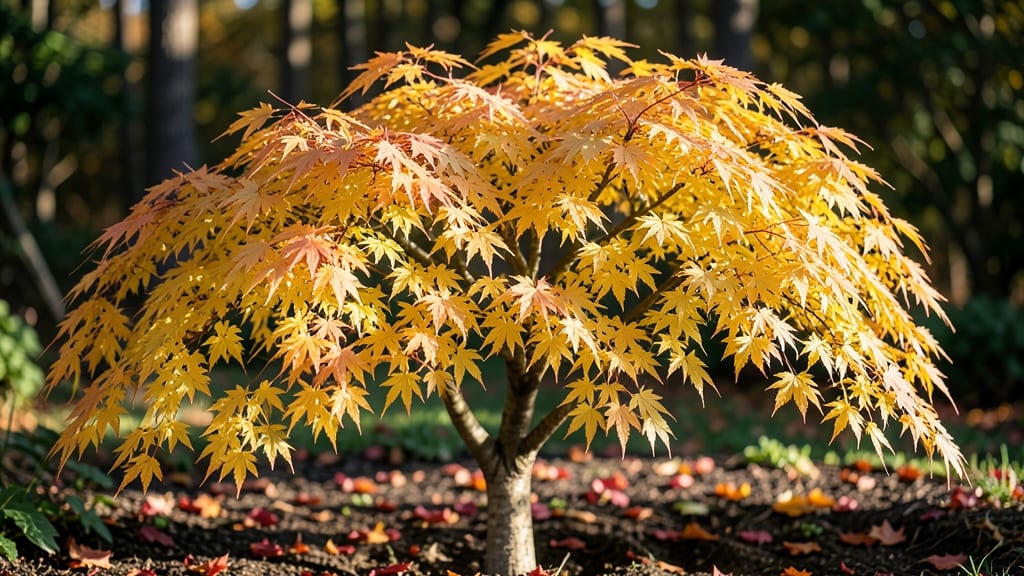
What tree has yellow leaves in the fall? The answer starts with the right choice—one that turns your yard into a sunlit painting every autumn, no landscaping degree required. The secret isn’t just picking a yellow-leafed tree; it’s matching the right species to your sunlight, soil, and pruning habits.
Sweetgum trees (Liquidambar styraciflua) steal the show with star-shaped leaves that blaze yellow-orange, while Ginkgo biloba’s fan-shaped foliage turns buttery gold and stays on the tree until winter.
Japanese Zelkova (Zelkova serrata) offers a compact alternative with glossy yellow leaves that contrast beautifully against brick or stone. These trees thrive in full sun to partial shade and adapt to most well-drained soils—even urban conditions.
With proper care, your tree will reward you with weeks of vibrant color. Prune in late winter to encourage dense growth, and water deeply during droughts to keep leaves lush. Mulch annually to protect roots, and watch as your yard transforms into a golden masterpiece—no paintbrush needed.
Whether you have a sunny backyard or a shady corner, these trees bring autumn’s warmth to your space. Here’s how to pick the perfect one for your garden’s personality and climate.
The Science Behind Golden Leaves
Autumn’s fiery display of yellow leaves isn’t just a picturesque coincidence—it’s a biological masterpiece rooted in chemistry, survival, and seasonal adaptation. 🌿🍂 When trees like maples, aspens, and birches transform into golden canopies, they’re essentially recycling their resources in preparation for winter.
Here’s why it happens, broken down by the key drivers behind the change.
The star of the show is chlorophyll, the pigment that gives leaves their vibrant green hue year-round. But as daylight shortens and temperatures drop, trees stop producing chlorophyll efficiently. Here’s the step-by-step science:
- Sunlight Decline: Shorter days trigger a drop in chlorophyll synthesis. Trees prioritize energy conservation, letting chlorophyll molecules degrade naturally.
- Nutrient Recycling: Before shedding leaves, trees absorb nutrients (like nitrogen and phosphorus) from the chlorophyll and other pigments, breaking them down into usable compounds. This process exposes carotenoids (yellow/orange pigments) and xanthophylls (golden hues) that were always present but masked by green.
- Leaf Senescence: Cells in the leaf stem (the abscission layer) weaken, sealing off the leaf from the tree. Without fresh chlorophyll, the true colors of fall emerge.
Pro Tip: 💡 Trees like sugar maples and honey locusts have high carotenoid levels, which is why their leaves turn a bright yellow—almost neon—before falling.
While chlorophyll steals the spotlight in summer, two other pigments are always at work in leaves—but they only shine when green fades:
| Pigment | Color Produced | Role in the Tree | Example Trees |
|---|---|---|---|
| Carotenoids | Yellow, orange | Protect leaves from sun damage and aid photosynthesis | Birch, aspen, hickory |
| Xanthophylls | Golden yellow | Absorb blue-green light, boosting energy capture | Tulip poplar, willow |
🌡️ Fun Fact: Cooler autumn temperatures slow chlorophyll breakdown, letting carotenoids dominate longer—hence why crisp fall mornings make leaves appear brighter.
Not all yellow leaves stay pure gold. Some trees—like red maples or sumacs—develop red or purple hues alongside yellow. This happens when:
- Sugar Trapping: As leaves prepare to fall, excess sugars get trapped in leaf cells. These sugars react with anthocyanin pigments (which trees produce to protect against UV damage), creating vibrant reds.
- Sunlight and Temperature: Bright, sunny days with cool nights (like 40–50°F) trigger higher anthocyanin production. Cloudy falls? Less red, more yellow.
- Tree Species: Only certain trees (e.g., Japanese maples) have the genetic ability to produce anthocyanins in high concentrations.
✨ Pro Tip: If you want more red in your fall foliage, plant trees like serviceberry or smoke tree, which naturally blend yellow with deep purples.
Not all trees turn yellow at the same time—or even in the same year. Three environmental factors accelerate or delay the process:
- Daylight Hours: Trees use photoperiodism (response to daylight length) to "know" it’s fall. When days drop below 12–14 hours of light, the chlorophyll breakdown begins.
- Temperature Swings: Cool nights (below 50°F) + warm days (above 70°F) create the perfect conditions for anthocyanin production. Unseasonably warm falls? Leaves may turn brown without bright colors.
- Water and Nutrients: Drought stress can speed up leaf senescence, causing early browning. Overly wet soils may delay color changes. Well-nourished trees (especially with nitrogen) produce more vibrant fall hues.
🔥 Warning: Pollution or poor soil can stunt chlorophyll breakdown, leading to dull, muted fall colors. If your yard’s trees are lacking luster, test soil pH and consider a balanced fertilizer in early spring.
Next up: Which Trees Put On the Best Yellow Show? (Spoiler: It’s not just maples!)
Revive Fall Foliage Naturally
If your tree’s golden leaves aren’t as vibrant as you’d hoped—or if they’re falling too soon—don’t worry! With a few targeted steps, you can enhance autumn colors, prolong leaf retention, and even prevent early leaf drop.
Below, we’ve broken down the most common causes of lackluster fall foliage and practical fixes to bring back that dazzling glow.
Dull or pale yellow leaves often signal a nutrient deficiency or stress. Trees need the right balance of nutrients to produce rich fall colors.
🔥 Boost Soil Nutrition
Fall foliage thrives when trees have access to key nutrients like nitrogen, phosphorus, and potassium. A balanced fall fertilizer (with a ratio like 10-10-10) can work wonders. For organic options, try:
- 🍂 Compost or leaf mold: Spread a 2-inch layer around the tree’s drip line (the area where branches extend).
- 🌱 Slow-release organic fertilizer: Apply in early fall to support root growth and color development.
- 💧 Mulch with wood chips: Keeps soil moist and gradually releases nutrients as it decomposes.
💡 Pro Tip:
Test your soil first! A simple DIY soil test kit (available at garden centers) can reveal deficiencies. If phosphorus is low, add bone meal; for potassium, try greensand or wood ash.
Premature yellowing or leaf drop is often a sign of stress—whether from disease, pests, or environmental factors.
👨🍳 Check for Pests & Diseases
Inspect your tree for signs of infestation or infection, such as:
- 🐜 Spider mites or aphids: Tiny webs or sticky residue on leaves.
- 🍄 Fungal spots: Dark patches or powdery mildew.
- 🐛 Borers or beetles: Holes in bark or sawdust-like frass.
If you spot pests, treat with:
- 🔥 Neem oil spray: Safe for most trees and effective against soft-bodied insects.
- 🧼 Insecticidal soap: Spray on a calm day to avoid harming beneficial insects.
- 🌡️ Prune affected branches: Remove and destroy heavily infested limbs.
⏰ Adjust Watering Habits
Overwatering or drought stress can cause early leaf drop. Trees need consistent moisture but hate soggy roots.
- 💦 Water deeply but infrequently: Aim for 1–1.5 inches of water per week (including rainfall).
- 🌧️ Mulch properly: A 3-inch layer of mulch retains moisture and regulates soil temperature.
- 🚰 Avoid wetting foliage: Water at the base to prevent fungal diseases.
If your tree’s leaves are sparse or growth seems stunted, it may need a health boost to support vibrant fall colors.
🔪 Prune for Better Airflow
Thinning out dense branches improves light penetration and airflow, which enhances color development.
- ✂️ Remove dead or crossing branches: Use clean, sharp pruners to make cuts just outside the branch collar.
- 🌿 Focus on the canopy’s outer third: Open up the tree to let sunlight reach inner leaves.
- ⏰ Prune in late winter or early spring: Avoid heavy pruning in fall, as it can stress the tree before winter.
🌱 Support Root Health
Healthy roots = healthier leaves. If your tree is struggling, it may need:
- 🌱 Mycorrhizal fungi: A natural root booster that improves nutrient uptake.
- 💧 Deep watering: Use a soaker hose to encourage deep root growth.
- 🚫 Avoid compacting soil: Keep foot traffic away from the tree’s root zone.
Want to ensure next fall’s foliage is even more stunning? Start with these proactive steps:
- 📅 Fertilize in early fall: Give trees a nutrient boost before they enter dormancy.
- 🌡️ Monitor weather shifts: Sudden temperature drops can stress trees—mulch heavily before winter.
- 🔍 Inspect trees annually: Catching pests or diseases early prevents major damage.
- 🍂 Leave fallen leaves: They naturally decompose into nutrient-rich humus.
With the right care, your tree will reward you with a dazzling display of golden leaves year after year. 🍁✨
Frequently asked questions
Why do some trees turn bright yellow while others turn orange or red in fall?
Bright yellow leaves come from carotenoids and xanthophylls—pigments that were always present but hidden by green chlorophyll. Trees like honey locust or birch have high levels of these pigments, so their leaves shine pure yellow. Red and orange hues come from anthocyanins, which form when sugars get trapped in leaves as they prepare to fall.
Can I plant a yellow-leafed tree in a small urban yard?
Compact varieties like Japanese Zelkova or Dwarf Honey Locust grow to 15-25 feet tall and thrive in tight spaces. They handle city pollution better than many trees and tolerate partial shade, making them perfect for urban gardens.
Will yellow-leafed trees keep their color all fall?
Most yellow-leafed trees hold their color for 4-6 weeks, but weather affects timing. Cooler nights with sunny days (like 40-70°F) preserve vibrant colors longer. Sudden warm spells can cause leaves to brown prematurely—mulch heavily to protect roots.
Are there any yellow-leafed trees that stay green in winter?
No, all deciduous trees shed leaves in winter, but evergreen trees like Golden Italian Cypress keep their yellow-green needles year-round. For true fall color, deciduous trees are your best bet—their leaves turn golden before dropping.
How do I know if my tree’s yellow leaves mean it’s healthy?
Healthy yellow leaves appear vibrant and stay attached until late fall. Watch for uneven yellowing (could mean pests) or early leaf drop (possible nutrient deficiency). A tree with firm buds and no holes in leaves is likely thriving.