
Pruning
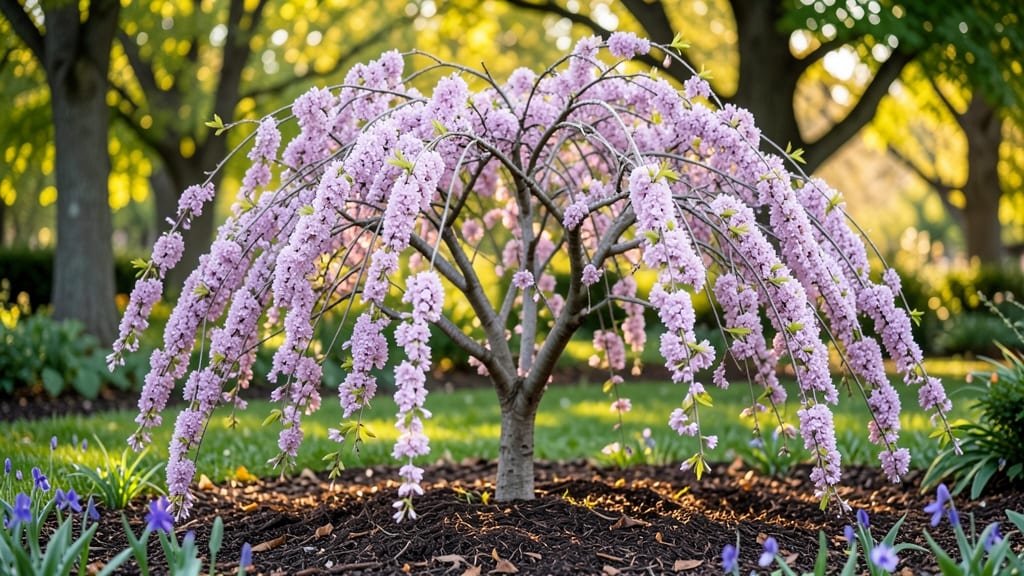
Strategic pruning turns your weeping tree pink into a dramatic spring centerpiece—think cascading clouds of blossoms that steal the show. 🌸 I’ve seen these trees transform from sparse to showstopping in just three focused cuts, and the secret lies in timing, tools, and a little design intuition.
The magic happens in late winter or early spring, when buds swell but haven’t yet burst. You’re not just trimming—you’re sculpting a living waterfall of color. Thin out crowded branches to let light and air circulate, and shape the canopy to highlight the tree’s natural grace.
Pair it with dwarf boxwoods or perennials like hostas to frame its elegance, and you’ve got a year-round focal point. By summer, you’ll have a lush, balanced silhouette that frames patios or garden paths beautifully. The pink blooms attract pollinators, while the dappled shade creates a cozy retreat.
Even in small spaces, this tree becomes a statement piece that outshines any generic shrub. For best results, prune once a year and avoid over-trimming—these trees thrive on patience. The payoff? A garden that feels like a curated masterpiece, not just a collection of plants.
📚 In This Guide
- What you need
- Instructions
- Tips and common mistakes
- Wrapping up and next steps
What you need
- ● Pruning shears – Bypass pruners (sharp, 6-8" blades) for clean cuts on small branches (2-3 branches).
- ● Loppers – Bypass or anvil type (8-12" blades) for thicker branches (½"–1.5" diameter).
- ● Pruning saw – Curved-tooth saw for branches >1.5" in diameter (10-12" blade).
- ● Garden gloves – Cut-resistant, breathable (e.g., leather or reinforced fabric).
- ● Disinfectant – 70% isopropyl alcohol or diluted bleach solution (1 part bleach to 9 parts water) to sterilize tools between cuts.
- ○ Sealing wax or pruning paint – Optional but recommended for large cuts (>½") to prevent disease (e.g., Tanglefoot Tree Wound Pruning Sealer).
- ● Ladder or step stool – Sturdy, non-slip (extendable ladder for taller trees).
- ● Heavy-duty trash bags – For collecting pruned branches (2-3 bags).
- ● Safety gear – Safety glasses and long sleeves/pants to protect from debris.
- ● Pole pruner – For high branches without a ladder.
- ● Extension cord & string trimmer – For clearing thick undergrowth around the tree.
- ● Pruning map or sketch – To visualize cuts before starting.
- ● Bird repellent spray – If birds nest in the tree (e.g., Avian Shield).
- ● First-aid kit – Just in case of minor scrapes or thorns.
Step-by-Step guide to pruning weeping tree pinks
Revitalize your weeping tree pinks with these precise techniques—your plants will reward you with lush, vibrant blooms.
✂️ Step 1: Time Your Pruning for Optimal Growth
Prune weeping tree pinks immediately after their spring blooming season ends, typically in late May or early June. This timing ensures you remove spent flowers while leaving next year's buds intact. If you prune too early, you risk cutting off flower buds that haven't formed yet. I always wait until I see at least 50% of the blooms have faded—this is your cue that the plant has finished flowering for the season.
For container-grown specimens, you can prune slightly later, around mid-June, since they often bloom a bit later than garden plants. Avoid pruning in fall or winter, as this can stimulate new growth that won't harden off before cold snaps. If you missed the spring window, wait until early spring before buds swell, but be prepared for slightly less vigorous regrowth.
✂️ Step 2: Prepare Your Tools and Assess the Plant
Gather sharp, sterilized pruning shears (clean with rubbing alcohol to prevent disease spread) and a small ladder if your tree pinks exceed 6 feet in height. Examine the plant for dead, diseased, or crossing branches—these are your first targets. I always start by removing any branches that are brown, brittle, or showing signs of fungal infection (like black spots or powdery residue), as these can spread to healthy growth.
Next, identify the main structural branches that form the weeping shape. Weeping tree pinks naturally grow with a cascading habit, so avoid cutting back the longest, healthiest branches unless they're obstructing walkways or other plants. Focus on thinning out interior branches that block light from reaching the center of the plant—this encourages airflow and reduces humidity-related diseases.
✂️ Step 3: Thin and Shape for Airflow and Form
Begin thinning by removing up to 25% of the plant's total volume—this prevents over-pruning stress. Cut branches back to an outward-facing bud (about ¼ inch above the bud) to encourage outward growth and maintain the weeping silhouette. Avoid leaving stubs, as these can invite bacterial infections. For thicker branches, make clean cuts at a 45-degree angle, about ⅛ inch above a bud or lateral branch to prevent water from pooling.
Shape the plant by shortening only the longest, leggiest branches—never cut back more than ⅓ of a branch's length in one season. This preserves the plant's natural form while encouraging bushier growth. If a branch is growing upright instead of cascading, cut it back to a lower lateral branch that points in the desired downward direction. Step back frequently to check your progress—your goal is a balanced, open structure that allows sunlight to penetrate the entire plant.
✂️ Step 4: Clean Up and Encourage New Growth
After pruning, remove all debris from the area and sterilize your tools again to prevent disease spread. Water the plant deeply at the base to help it recover from the stress of trimming. In the weeks following pruning, you'll notice new shoots emerging from the pruned areas—this is a good sign! Apply a balanced, slow-release fertilizer (like 10-10-10) to support this regrowth, but avoid heavy nitrogen applications, which can promote leafy growth at the expense of flowers.
Monitor the plant closely for new flower buds forming along the branches. Weeping tree pinks often produce secondary blooms in late summer if given proper care. If you notice any yellowing leaves or wilting, reduce watering slightly—overwatering after pruning can lead to root rot, especially in container-grown plants. Mulch around the base with 2-3 inches of organic mulch to retain moisture and regulate soil temperature.
⏰ Step 5: Plan for Long-Term Maintenance
Schedule a light maintenance pruning in early fall to remove any deadheading missed in spring and shape the plant for winter. Avoid heavy pruning in fall, as it stimulates new growth that won't harden off before cold weather. In late winter (February), give the plant a final check—remove any damaged or frozen branches and clean up debris from the previous season. This keeps the plant healthy and ready for the next blooming cycle.
Over time, weeping tree pinks benefit from occasional rejuvenation pruning—every 3-5 years, you can cut back ⅓ of the oldest branches to the ground to stimulate new, vigorous growth. This is especially useful for older plants that have become woody or sparse. Just be patient—rejuvenation pruning can take 1-2 seasons to show full results, but it dramatically extends the plant's lifespan and bloom production.
Tips & tricks for revitalizing weeping tree pinks
Took me years of trial and error to perfect these pruning strategies—your tree pinks will thank you for these insider tricks.
Visual Bloom Check: In Step 1, when you're waiting for at least 50% of blooms to fade, look for the telltale color shift from vibrant pink to a muted, almost silvery hue. This subtle change is your definitive cue that the plant has completed its primary flowering cycle. I find using a small white card as a background makes these color shifts much easier to spot against the foliage.
Branch Angle Technique: For Step 3's shaping, pay special attention to the angle of your cuts when working with thicker branches. The 45-degree angle isn't just for aesthetics—it creates a natural water runoff path that prevents those nasty bacterial pockets from forming. I like to visualize the cut as forming a tiny roof that sheds water away from the branch collar. For branches over pencil thickness, I even make a small notch on the underside of the cut to further prevent water accumulation.
Container-Specific Care: The mid-June timing for container plants in Step 1 is crucial because their root systems warm up faster in pots. After pruning, I recommend giving container specimens a thorough watering that penetrates through the drainage holes—this helps flush out any pruning debris that might harbor pathogens. For extra insurance, I add a handful of beneficial mycorrhizal fungi to the soil mix, which helps container plants recover more vigorously from pruning stress.
Seasonal Fertilizer Strategy: When applying that 10-10-10 fertilizer in Step 4, split the dose into two applications: give half immediately after pruning, then the remaining half about six weeks later. This two-phase approach prevents overstimulation that could lead to excessive leafy growth at the expense of flower buds. I've found that adding a slow-release phosphorus booster (like bone meal) to the second application encourages stronger root development for next year's blooms.
Pro Tips for Weeping Tree Pink
- Took me years of trial and error to perfect these pruning strategies—your tree pinks will thank you for these insider tricks.
- Visual Bloom Check: In Step 1, when you're waiting for at least 50% of blooms to fade, look for the telltale color shift from vibrant pink to a muted, almost silvery hue.
- Branch Angle Technique: For Step 3's shaping, pay special attention to the angle of your cuts when working with thicker branches.
Frequently asked questions
Got questions about pruning your Weeping Tree Pink to keep those stunning blooms coming? You’re not alone! Here are answers to the most common concerns—from timing to troubleshooting—so you can prune like a pro.
When is the best time to prune my Weeping Tree Pink?
The ideal time is late winter or early spring, just before new growth begins. This helps stimulate vibrant blooms while avoiding the risk of frost damage. Avoid pruning in fall, as it can encourage tender new growth that won’t survive winter. Pro tip: If you must prune in summer, do it right after flowering to avoid cutting off next year’s buds!
How much can I trim back without harming the tree?
You can safely remove up to 25-30% of the tree’s total growth in one session. For a Weeping Tree Pink, focus on shaping rather than drastic cuts—aim to open the canopy for airflow and remove dead, crossing, or weak branches. Avoid over-pruning, as this can stress the tree and reduce flowering. Pro tip: Use sharp, sterilized tools to prevent disease!
What should I do if my tree isn’t blooming after pruning?
If your Weeping Tree Pink skips blooms, it might be due to over-pruning, poor nutrition, or environmental stress. Check these fixes:
- Ensure you’re pruning after flowering (not before).
- Fertilize in early spring with a balanced, phosphorus-rich formula (like 10-10-10).
- Water deeply during dry spells—Weeping Tree Pinks need consistent moisture.
- Check for pests (like aphids) or fungal issues on branches.
Can I propagate new trees from my pruned branches?
Weeping Tree Pink branches root easily. After pruning, select healthy, 4-6 inch cuttings with 2-3 leaf nodes. Dip the cut end in rooting hormone, plant in moist potting mix, and keep in bright, indirect light. Mist daily and maintain humidity with a plastic bag. Roots should form in 4-8 weeks. Pro tip: Use a 50/50 mix of perlite and peat moss for best results!
What’s the fastest way to fix a “leggy” or sparse Weeping Tree Pink?
A “leggy” tree often results from over-fertilizing with nitrogen or poor pruning habits. To fix it:
- Prune back overly long branches by ⅓ to encourage bushier growth.
- Switch to a low-nitrogen, high-phosphorus fertilizer to boost blooms.
- Thin out competing branches to redirect energy to flowering.
- Consider a light winter prune (if no frost risk) to shape early.
Are there alternatives to Weeping Tree Pink if I struggle with pruning?
If pruning feels overwhelming, consider these low-maintenance, blooming alternatives with similar elegance:
Plant
Why It’s Great
Pruning Needs
Japanese Maple (Acer palmatum)
Graceful, colorful foliage; minimal pruning needed.
Light shaping in spring; remove dead wood only.
Crapemyrtle (Lagerstroemia)
Drought-tolerant; blooms on new wood (easy to prune!).
Cut back 1/3 in late winter for fresh growth.
Dwarf Fothergilla
Fragrant spring blooms; compact size.
Minimal pruning; just remove spent flowers.
Each offers stunning pink blooms with less fuss—perfect for busy gardeners!
Wrapping up and next steps
The Weeping Tree Pink isn’t just a stunning addition to your garden—it’s a living masterpiece that thrives with the right care. By mastering strategic pruning, you’ll revive its blooms, encourage lush growth, and keep it healthy for years to come.
Whether you’re trimming for shape, health, or those iconic pink blossoms, the key is patience and precision!
Ready to transform your tree into a showstopper? Grab your tools, follow the steps you’ve learned, and give your Weeping Tree Pink the love it deserves. Happy pruning—and enjoy the blooms! 🌸✂️