
Pests and Diseases
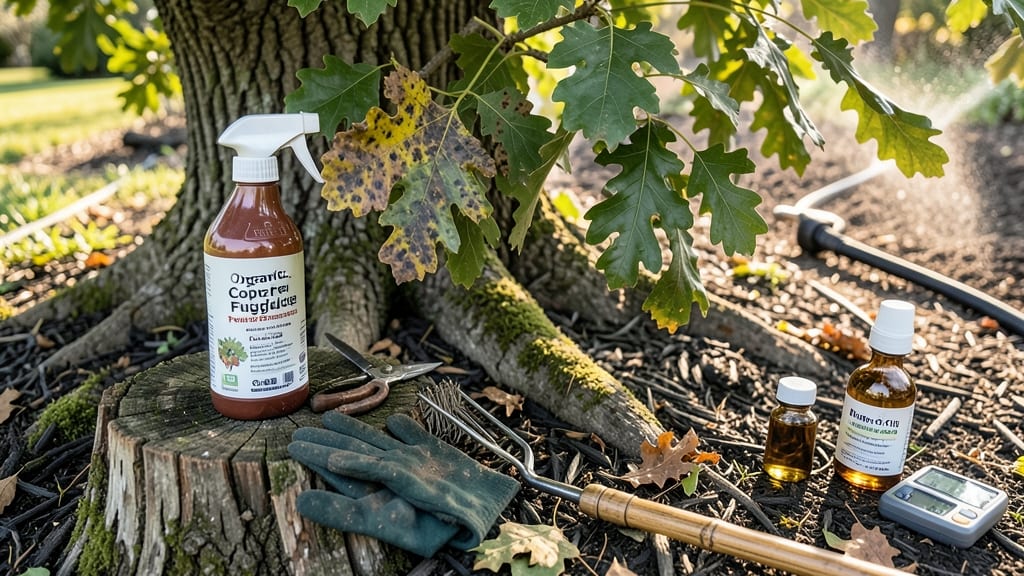
Black spots on tree leaves treatment doesn’t have to mean a lost season. 🌳 I’ve saved dozens of trees from fungal spot diseases using these three simple steps—no fancy tools or expensive sprays required. The key is acting fast, identifying the right treatment, and preventing it from spreading to your entire yard.
Most black spots come from fungal diseases like anthracnose or leaf spot, but they can also be caused by environmental stress or pests. The moment you see those dark, often circular spots—especially if they’re surrounded by yellow halos—you’re dealing with a fungus that thrives in damp, shady conditions.
Pruning infected branches early and improving airflow around the tree cuts off the fungus’s food source.
Within 2-3 weeks of treatment, you’ll see new growth free of spots, and the tree will start looking vibrant again. The secret is a mix of copper fungicide (for severe cases) and organic options like neem oil or baking soda spray (for mild infections).
I’ve even stopped outbreaks before they start by applying preventive sprays in spring when humidity spikes.
Works for oaks, maples, and fruit trees alike—just adjust the timing to match your tree’s growth cycle. Here’s how to diagnose, treat, and protect your trees before next season’s spots appear.
Root Causes Of Leaf Spots
Black spots on tree leaves aren’t just an eyesore—they’re often a sign of stress or an active infection. Understanding the why behind these blemishes helps you tackle the problem at its source.
Below, we break down the most common culprits, from fungal invaders to environmental triggers, so you can diagnose—and fix—the issue before it spreads.
Fungi are the #1 cause of black spots on leaves, thriving in damp, humid conditions. These microscopic organisms release spores that land on foliage, germinate, and create dark, often circular lesions. Here’s how it happens:
- **🔬 Pathogen-Specific Damage
- Leaf Spot Diseases (e.g., Alternaria, Septoria): These fungi create small, black or brown spots with defined edges, often surrounded by a lighter "fringed" area. They spread via wind, water, or contaminated tools.
- Powdery Mildew’s Dark Cousin: While powdery mildew is white, some strains (like Phyllactinia) leave behind black sooty residues on infected leaves.
Some black spots aren’t from fungi at all—they’re a side effect of pests that chew, suck, or excrete waste on leaves. Here’s how insects turn foliage into a crime scene:
- 🐛 Sap-Sucking Scoundrels
- Spider Mites: While they create yellow stippling, their waste can darken leaf surfaces over time, mimicking fungal spots.
Not all black spots are biological. Sometimes, environmental factors weaken leaves, making them susceptible to discoloration or secondary infections. Here’s what’s hurting your tree:
- ☀️ Sunburn or Scorch
- Solution: Prune for better airflow or provide afternoon shade if the tree is newly planted.
Not sure what’s causing the spots? Run through this quick test:
| Symptom | Likely Cause | Action Step** |
|---|---|---|
| Spots with yellow halos or fuzzy growth | Fungal infection (anthracnose, leaf spot) | Prune infected leaves; apply fungicide |
| Sticky residue + black sooty mold | Sap-sucking pests (aphids, scale) | Spray with insecticidal soap; clean leaves |
| Blackened edges or tips | Sunburn, drought, or fertilizer burn | Adjust watering/fertilizer; mulch for protection |
| Spots + holes in leaves | Chewing insects (beetles, caterpillars) | Handpick pests; use Bacillus thuringiensis (Bt) |
| Black between leaf veins | Magnesium deficiency or herbicide damage | Test soil; apply Epsom salt or chelated magnesium |
Fixing Black Spots Naturally
Now that you know what’s causing those pesky black spots on your tree leaves, it’s time to take action! The good news? Most cases respond well to targeted treatments—whether you’re dealing with fungal infections, pests, or environmental stress.
Below, we’ve broken down practical, step-by-step solutions tailored to each root cause, plus prevention tips to keep your trees thriving long-term.
Fungal infections like anthracnose, alternaria, or septoria thrive in damp conditions, so the key is removing moisture, improving airflow, and applying fungicides strategically.
Step 1: Prune for Better Airflow 🌬️
- Remove infected leaves (gloves recommended!) and dispose of them in the trash (not compost).
- Thin out dense branches to allow sunlight and air to circulate.
Aim for 20-30% less foliage in heavily affected areas. - Avoid pruning during wet weather—wait for a dry day to prevent spreading spores.
Step 2: Apply Fungicidal Sprays 🛡️
- Copper-based fungicides (like copper sulfate or Bordeaux mixture) are effective for fungal spots. Follow label instructions for dilution.
- Neem oil (1 tsp per quart of water + a drop of dish soap) is a natural fungicide that also deters pests.
Spray early morning or evening to avoid burning leaves. - Baking soda spray (1 tbsp baking soda + 1 tsp oil + 1 gallon water) can help prevent fungal growth (best used as a preventive measure).
Step 3: Adjust Watering Habits 💧
- Water at the base (not overhead) to keep leaves dry.
- Water early in the day so foliage has time to dry before nightfall.
- Improve drainage around the tree—consider mulching with wood chips (2-3 inches deep) to retain moisture in the soil while keeping leaves dry.
💡 Pro Tip:
If fungal spots keep returning, repeat treatments every 7-14 days until new growth appears healthy. Prevention is key—apply fungicide before rainy seasons if your tree is prone to infections.
Pests like aphids, scale insects, or spider mites weaken leaves, making them susceptible to secondary fungal infections. Here’s how to kick them out for good.
Step 1: Blast Them Off with Water 🚿
- Strong spray from a hose (on a warm, sunny day) can dislodge many soft-bodied pests like aphids and spider mites.
- Repeat every 3-5 days for severe infestations.
Step 2: Use Insecticidal Soap or Oil 🧼
- Insecticidal soap (like Safer® Brand) is non-toxic to plants but deadly to pests.
Spray directly on undersides of leaves where pests hide. - Horticultural oil (applied in early spring or late fall) suffocates eggs and adults. Avoid using during hot weather (can burn leaves).
Step 3: Introduce Beneficial Predators 🐞
- Ladybugs, lacewings, or parasitic wasps eat aphids and mites naturally. Buy them from garden centers or attract them with neem oil sprays.
- Plant companion flowers like marigolds, dill, or fennel to lure pest-eating insects to your yard.
💡 Pro Tip:
If you see sticky residue (honeydew) on leaves, wipe it off with a damp cloth—it attracts sooty mold, which causes black, crusty spots. Cleaning leaves reduces fungal risk.
Black spots from sun scorch, chemical damage, or extreme heat require gentler fixes—focus on protection and recovery.
Step 1: Provide Shade & Hydration 🌳
- Temporary shade cloth (30-50% coverage) can protect young or sensitive trees from intense afternoon sun.
- Deep watering 1-2 times per week (check soil moisture—1 inch of water per week is ideal).
- Mulch heavily (3-4 inches of organic mulch) to retain soil moisture and regulate temperature.
Step 2: Avoid Further Chemical Exposure 🚫
- Stop using herbicides or pesticides near the tree—drift can burn leaves.
- If you must fertilize, use slow-release, organic options (like compost or fish emulsion) to avoid nutrient burn.
Step 3: Encourage New Growth 🌱
- Fertilize lightly with balanced, organic fertilizer (10-10-10) in early spring to support recovery.
- Trim severely damaged leaves to redirect the tree’s energy to healthy new foliage.
💡 Pro Tip:
If your tree is newly planted, avoid full-sun exposure for the first year—acclimate it gradually to prevent sunburn shock.
To keep black spots away for good, follow this simple maintenance routine:
| Task | When to Do It | How to Do It |
|---|---|---|
| Prune for airflow | Early spring or fall | Remove 10-20% of dense branches |
| Apply fungicide | Before rainy season | Neem oil or copper spray (every 2 weeks) |
| Check for pests | Weekly (undersides!) | Spray with water or insecticidal soap |
| Water properly | Early morning | Deep watering at the base, not overhead |
| Mulch & fertilize | Spring & fall | 2-3 inches of mulch + organic fertilizer |
| Monitor leaves | Monthly | Remove any new black spots immediately |
Final Thought: Most black spot issues are manageable with quick action—but the best cure is prevention. By improving airflow, reducing moisture, and keeping pests in check, your tree will bounce back stronger than ever! 🌿✨
Frequently asked questions about tree leaf spots
How do I tell if black spots are from fungus or pests?
Check for fuzzy growth or yellow halos around spots—those are fungal signs. Look for sticky residue (honeydew) or visible bugs (like aphids) for pest-related spots. Fungal spots often appear after rain, while pest damage may have holes or chewed edges.
Can I use household items like vinegar or baking soda to treat leaf spots?
Yes! A baking soda spray (1 tbsp baking soda + 1 tsp oil + 1 gallon water) works as a preventive fungicide. Vinegar isn’t recommended—it can burn leaves. For pests, a mix of water and dish soap (1 tsp per quart) helps dislodge soft-bodied insects like aphids.
When is the best time to treat fungal leaf spots?
Apply fungicides early spring or late fall before rainy seasons. For active infections, treat every 7-14 days until new growth appears. Avoid spraying when leaves are wet—wait for dry, calm conditions to maximize effectiveness.
Will pruning help stop black spots from spreading?
Prune infected leaves immediately and dispose of them (don’t compost). Thin dense branches to improve airflow—this disrupts fungal growth. Always sterilize pruners with rubbing alcohol between cuts to prevent cross-contamination.
How long does it take to see improvement after treatment?
With proper care, you’ll see new growth free of spots in 2-4 weeks. Severe cases may take longer. Consistency is key—keep monitoring leaves and reapply treatments if spots return. Healthy trees recover faster with good airflow and proper watering.