
Diseases
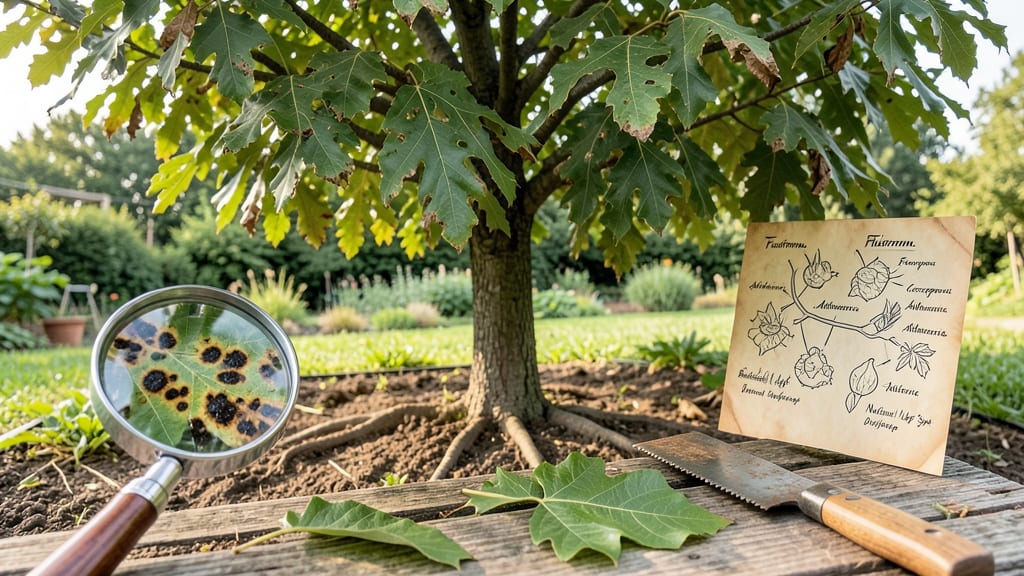
Black spots on pecan tree leaves typically signal fungal infections such as anthracnose or scab, which spread aggressively in warm, damp weather and can severely damage tree health. Address these issues by pruning affected foliage immediately and using organic treatments like neem oil or copper-based sprays for effective control.
These fungal diseases don't just mar your pecan tree's appearance—they can reduce nut production and weaken overall tree vitality. 🌿 The key to stopping them lies in early intervention, as spores spread rapidly through water splashes and wind.
I've found that applying a preventive fungicide spray during spring rain showers (before symptoms appear) creates a protective barrier against infection. For existing spots, combine pruning with a weekly neem oil treatment for 3-4 weeks to break the fungal cycle.
What often catches gardeners off guard is how quickly these spots can escalate. Anthracnose, for example, starts as small dark spots that expand into larger lesions with yellow halos, while scab appears as raised, crusty patches. The good news?
Both respond well to organic treatments when caught early. I recommend monitoring your tree weekly during peak fungal season (late spring to early summer) and removing any fallen leaves from the base to prevent spore buildup.
💡 In This Article
- Identifying Common Fungal Diseases in Pecan Tree Leaves
- Organic Fungicide Solutions for Pecan Tree Leaf Spots
Identifying common fungal diseases in pecan tree leaves
The black spots you're seeing on pecan leaves are most likely caused by two specific fungal pathogens: Gloeosporium (anthracnose) and Elsinoë (scab). These fungi thrive in warm, humid conditions, with temperatures between 75-85°F and high moisture levels creating ideal breeding grounds.
Anthracnose typically appears as dark, sunken spots with concentric rings, while scab presents as raised, crusty patches that can cover entire leaves. The key difference lies in their texture—anthracnose lesions feel slightly depressed, whereas scab spots are rough to the touch.
Here's what's actually happening at a microscopic level: Fungal spores land on leaves and germinate when conditions are right, then penetrate through natural openings like stomata or directly through the leaf surface.
Anthracnose spores spread primarily through water splashes during rain or irrigation, while scab spores hitch rides on wind currents. What most people don't realize is that these fungi produce toxins that weaken the leaf's cellular structure, causing it to yellow and eventually drop prematurely.
This process can reduce your pecan tree's photosynthesis capacity by up to 40% during severe infections.
The lifecycle of these fungi follows a predictable pattern that begins with spore germination, followed by mycelial growth within the leaf tissue. By mid-summer, mature lesions produce new spores that can infect other parts of the tree or nearby plants.
This is why you'll often see new spots appearing in clusters after heavy rain showers. The most critical window for infection occurs during spring leaf flush and summer heat waves, when both temperature and humidity remain consistently high for extended periods.
Distinguishing between fungal diseases and bacterial leaf spot is crucial for effective treatment. Unlike fungal spots, bacterial infections typically have water-soaked edges that ooze when pressed, and they often appear in irregular shapes. Fungal spots tend to be more uniform and may develop powdery mold on their surfaces.
Another telltale sign is the presence of fruiting bodies—tiny black or orange dots—on the undersides of infected leaves, which are characteristic of many fungal pathogens.
Consider these visual clues when diagnosing:
- Anthracnose: Dark brown to black spots with yellow halos, often with concentric rings
- Scab: Raised, crusty patches that may crack and appear scaly
- Bacterial Leaf Spot: Irregular spots with water-soaked edges, often yellowing around the edges
The good news is that both anthracnose and scab respond well to early intervention. I've found that trees treated within 10 days of initial symptoms showing often recover fully with proper care.
The key is acting before the fungi establish deep mycelial networks within the leaf tissue, which can make complete eradication much more difficult.