
Trees
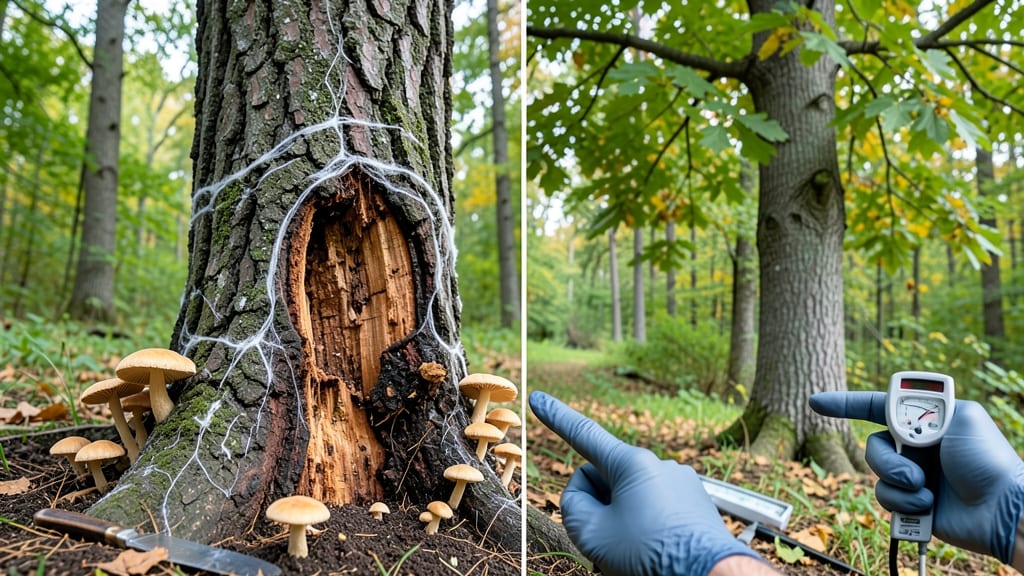
Tree rot fungus can turn a healthy tree into a hollow shell in just a few seasons—unless you catch it early. 🌳 I’ve seen it ruin shade trees, fruit-bearing trees, and even prized ornamentals, but the right steps can save yours.
The key is acting fast before the fungus spreads beyond the root collar or trunk.
You’ll spot the warning signs in the bark: dark streaks, oozing sap, or mushrooms growing at the base. Inside, the wood turns brown and crumbly, giving the tree a rotted core.
This isn’t just a cosmetic issue—it’s a structural threat. Left untreated, the tree can snap in a storm or simply collapse under its own weight.
Treatment starts with pruning infected branches at least 6 inches below the rot, then sealing the wounds with pruning paint. For severe cases, fungicides like copper-based sprays or systemic treatments can help, but prevention—like improving drainage and avoiding soil compaction—is the real game-changer. A healthy tree is the best defense.
This works for oak, maple, fruit trees, and even young saplings. The sooner you act, the better the odds of saving your tree—and your yard’s shade and beauty. Let’s get to the steps that actually work.
Root Causes Of Wood Decay
Understanding why tree rot fungus thrives is the first step to stopping it in its tracks. These microscopic invaders don’t just appear out of nowhere—they exploit weaknesses in your trees, turning healthy wood into a crumbling mess.
Let’s break down the key triggers that turn trees into fungus buffets, so you can address them before they become a full-blown problem.
Fungus loves moisture—think of it as the perfect storm for decay. When soil stays soggy for too long, oxygen gets squeezed out, creating the ideal breeding ground for rot-causing pathogens like Armillaria (honey fungus) or Phytophthora (root rot).
- Why it happens:
- Compacted or clay-heavy soil traps water, suffocating roots.
- Overwatering (even from rain or irrigation) keeps wood damp longer than it should.
- Poorly sloped landscapes funnel water toward tree bases, saturating the trunk and roots.
- Actionable fix:
- Test your soil’s drainage with a simple percolation test (dig a 12-inch hole, fill with water, and time how long it takes to drain).
- Amend soil with organic matter (compost or sand) to improve aeration.
- Install French drains or swales to redirect excess water away from tree roots.
A tree’s bark is its first line of defense, but injuries—big or small—create open doors for fungal invaders. Even a tiny crack from a lawnmower, storm damage, or improper pruning can let spores slip inside.
- Why it happens:
- Mechanical damage: Lawn equipment, construction, or even animal scratches break the bark barrier.
- Sun scald or frost cracks: Sudden temperature shifts (hot sun after cold nights) split bark, exposing vulnerable wood.
- Poor pruning cuts: Jagged cuts left too close to the trunk fail to heal properly, creating entry points.
- Actionable fix:
- Prune like a pro: Make cuts at a 45-degree angle, 1/4" above a branch collar (the swollen area where the branch meets the trunk).
- Protect young trees: Use tree wraps or guards to shield bark from sun scald in winter.
- Clean up debris: Remove fallen branches or mulch piled against the trunk to reduce hiding spots for spores.
Stressed trees are like people with weak immune systems—they’re easy targets. Drought, nutrient deficiencies, or competition from nearby plants drain a tree’s energy, leaving it vulnerable to fungal attacks.
- Why it happens:
- Drought stress: Trees use up stored moisture to survive dry spells, making wood drier and more brittle—perfect for fungal colonization.
- Nutrient imbalances: Too much nitrogen (from fertilizer) or a lack of essential micronutrients (like boron or manganese) weaken structural integrity.
- Root competition: Overcrowded roots (from nearby trees, shrubs, or even aggressive grasses) starve the tree of water and nutrients.
- Actionable fix:
- Water deeply but less often: Aim for 1–1.5 inches of water per week during dry spells, focusing on the root zone.
- Test soil health: Use a simple soil test kit to check pH and nutrient levels, then amend with compost or slow-release fertilizer.
- Mulch strategically: Apply 2–4 inches of organic mulch (like wood chips) in a 3-foot radius around the trunk—but keep it away from the base to prevent moisture buildup.
Fungal spores are everywhere—floating in the air, clinging to tools, or hiding in mulch. If your pruners, saws, or even boots carry them from an infected tree to a healthy one, you’ve just given rot a free ride.
- Why it happens:
- Contaminated tools: Pruning shears or chainsaws used on infected trees can transfer spores to new cuts.
- Windborne spores: Fungi like Heterobasidion (annosum root rot) release spores that travel miles, landing on fresh wounds.
- Infested mulch or wood chips: Old mulch from a rotting stump or infected wood can reintroduce pathogens to your yard.
- Actionable fix:
- Sanitize tools between uses: Wipe blades with rubbing alcohol or a 10% bleach solution after each tree.
- Avoid composting infected wood: Burn or dispose of severely rotted branches in sealed bags—don’t add them to compost piles.
- Time pruning wisely: Prune during dry, sunny days when spores are less active (early morning is best).
Some pests don’t just munch on leaves—they burrow into wood, creating tunnels that let fungi move in. Termites, bark beetles, and even woodpeckers can weaken a tree’s defenses without you noticing.
- Why it happens:
- Termites and carpenter ants: Chew through cellulose in wood, leaving behind galleries that trap moisture and spores.
- Bark beetles: Bore into the phloem (the tree’s food-transport layer), stressing the tree and inviting fungal infections like Ophiostoma.
- Woodpecker damage: While they’re hunting pests, their pecking can create wounds that fungi exploit.
- Actionable fix: - Monitor for signs: Look for sawdust-like frass (insect droppings), hollow-sounding wood, or exit holes. - Use targeted treatments: For termites, opt for bait stations or professional pest control.
For beetles, remove infested trees immediately. - Encourage natural predators: Birds like woodpeckers and bats help control pest populations—just avoid over-pruning to keep trees healthy enough to fend them off.
Fixing and Preventing Decay in Trees
Now that you understand the causes of tree rot fungus, let’s tackle how to address it—whether you’re dealing with an existing issue or want to keep your trees healthy for years to come.
Below are practical, step-by-step solutions tailored to common causes, along with preventive measures to stop rot before it starts.
Cause: Poor soil drainage, overwatering, or compacted soil. Fix:
- 🔥 Improve Soil Aeration – Use a garden fork to loosen compacted soil around the root zone. Add organic matter (like compost or wood chips) to boost drainage.
- 🍳 Adjust Watering Habits – Water deeply but infrequently (1-2 times per week, depending on climate). Avoid soggy soil—test drainage by digging a small hole near the roots and filling it with water. If it doesn’t drain within 6 hours, you’ve got a problem.
- 👨🍳 Install Drainage Solutions – For chronically wet areas, consider French drains or swales (shallow trenches) to redirect water away from the tree.
💡 Pro Tip: If the tree is already severely affected, consult an arborist—some cases may require root pruning or fungal treatments.
Cause: Fungal infections (e.g., Armillaria, Heterobasidion) spreading through wounds or decaying wood. Fix:
- ⏰ Remove Infected Wood Immediately – Cut out all diseased branches at least 6 inches below the visible rot using sterilized pruning tools (wipe with rubbing alcohol between cuts).
- 🔪 Apply Fungicidal Sprays – Use copper-based fungicides or boron treatments (like Timbor) on fresh cuts to slow spread. Reapply every 4-6 weeks during wet seasons.
- 🌡️ Boost Tree Health – Strengthen the tree with balanced fertilizer (high in nitrogen for foliage, potassium for root strength) and mulch properly (2-4 inches of organic mulch, kept 6+ inches away from the trunk).
✨ Prevention: Seal wounds with pruning sealant (like Tanglefoot Tree Wound Pruning Seal) to block fungal entry.
Cause: Physical trauma from wind, hail, or lightning creating entry points for rot. Fix:
- 🔪 Clean and Smooth Cuts – Remove broken branches back to the branch collar (the swollen area where the branch meets the trunk). Avoid over-pruning—only remove damaged tissue.
- 🛡️ Protect the Tree – Install tree supports (like cabling or bracing) if the tree is at risk of further breakage. For lightning strikes, check for charred or split wood—these areas are prime for fungal invasion.
- 🌿 Monitor for Weakness – If the tree is leaning severely or has large hollows, it may need structural support or even removal if safety is a concern.
🎯 Long-Term Fix: Plant wind-resistant species (like oaks, maples, or bald cypress) in high-risk areas.
Cause: Bark beetles, termites, or wood-boring insects weakening the tree. Fix:
- 🐜 Apply Insecticides – Use systemic treatments (like imidacloprid) or bait stations for beetles. For termites, borate-based treatments work well.
- 🔪 Remove Infested Wood – Cut out and burn or chip heavily infested branches (do not leave them on the ground).
- 🌿 Encourage Natural Predators – Plant neighboring trees that attract beneficial insects (like ladybugs) to keep pests in check.
💡 Pro Tip: Healthy trees resist pests better—focus on watering, mulching, and proper pruning to make your tree less appealing to invaders.
Cause: Drought, extreme heat, or poor soil leading to weakened defenses. Fix:
- 💦 Deep Watering – Water slowly and deeply (1-2 inches per week) to encourage deep root growth.
- 🌿 Mulch Correctly – Use 3-4 inches of organic mulch (like shredded bark) but keep it away from the trunk to prevent moisture buildup.
- 🍃 Choose the Right Tree – If your area has poor soil or extreme weather, opt for drought-tolerant species (e.g., crepe myrtle, redbud, or serviceberry).
🔥 Emergency Tip: During droughts, group trees together to create a microclimate that retains moisture.
If the tree is beyond saving (e.g., hollow trunk, major structural failure, or aggressive fungal spread), removal may be the safest option. - 🔪 Hire a Professional – Never remove a large tree yourself.
A certified arborist will handle it safely. - 🌱 Plant a Replacement – Choose a native, disease-resistant species and give it proper spacing (follow local guidelines—usually 20-50 feet from structures).
🎯 Final Prevention Checklist: ✅ Inspect trees annually for signs of rot (mushrooms at the base, oozing sap, or dead branches). ✅ Prune correctly—only remove dead, diseased, or crossing branches. ✅ Avoid overwatering—most trees prefer dry feet. ✅ Test soil drainage before planting—amend if needed. ✅ Monitor after storms—clean up debris and check for new wounds.
By acting quickly and strategically, you can save your tree or prevent rot before it starts. Healthy trees not only look great—they last for decades! 🌳💪
Frequently asked questions
How can I tell if my tree has fungus rot instead of just normal aging?
Look for these key signs: dark streaks or discolored wood when you cut a branch, mushrooms growing at the base (like honey fungus), or oozing sap from cracks. Tap the trunk—if it sounds hollow or crumbly, that’s a red flag. Normal aging shows thick bark and healthy foliage, while rot creates dead branches or wilting leaves despite regular watering.
Can tree rot fungus spread to other plants in my yard?
Yes, some aggressive fungi like Armillaria (honey fungus) can spread through root grafts to nearby trees or even shrubs. Windborne spores may also infect vegetable gardens or lawn grasses. To prevent this, remove infected wood immediately, sterilize tools between uses, and avoid planting new trees where rot was active.
Is it safe to use homemade fungicides like vinegar or baking soda on tree rot?
Not for severe cases—these are too weak to penetrate wood and stop established rot. Vinegar or baking soda might help prevent surface spores on leaves, but they won’t cure deep fungal infections. For real results, use copper-based fungicides (like Bordeaux mixture) or boron treatments applied directly to wounds. Always test on a small area first!
How long does it take to see improvement after treating tree rot?
Mild cases may show slower spread within 4-6 weeks if you prune infected areas and apply fungicides. Severe rot can take 1-2 years to stabilize, depending on the tree’s health. Focus on prevention (like improving drainage) while treating—some trees recover fully, while others may need structural support or removal if the rot is too advanced.
Will removing part of my tree’s roots help stop rot?
Only if done by a professional arborist! Root pruning can improve drainage and reduce stress, but cutting too many roots weakens the tree further. This technique is risky—better to focus on soil aeration (adding compost) and fungicide treatments first. Never DIY root work unless you’re trained.