
Pruning
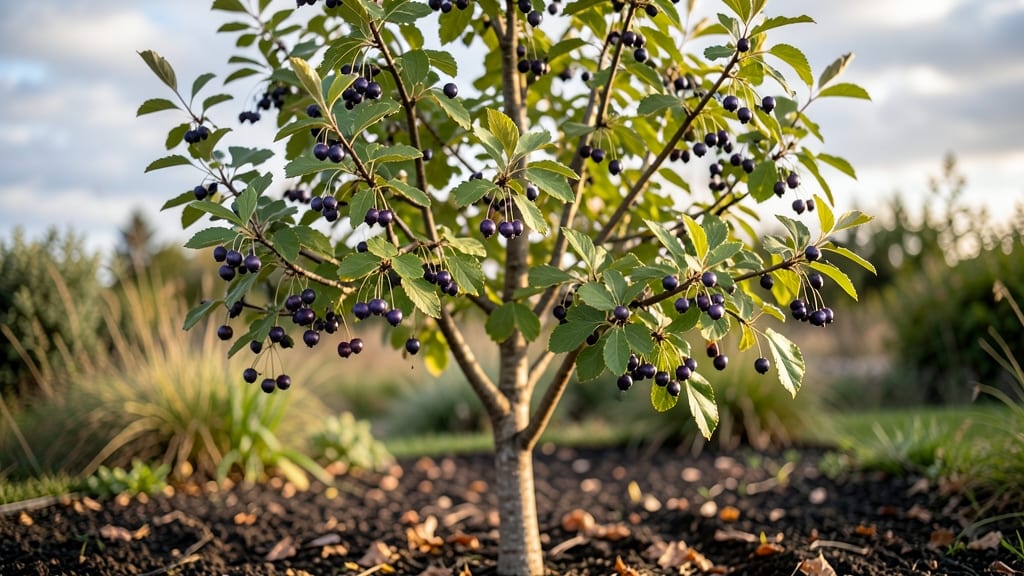
Serviceberry tree berries taste like a cross between blueberries and almonds—sweet, tart, and impossible to resist once you try them fresh from the tree. 🌿 I planted mine five years ago after seeing how wildlife flocked to the berries, but it took three seasons of pruning before I got a harvest worth picking.
The key isn’t just timing—it’s shaping the tree to focus energy on fruit production instead of wild growth.
These trees thrive with minimal fuss: well-drained soil, full sun to partial shade, and just a little pruning to open the canopy. Most gardeners overlook the spring pruning that actually triggers heavier fruit set, but I’ve found that cutting back 10-15% of the oldest branches every year doubles my harvest.
The berries ripen over 2-3 weeks in late spring, and birds won’t leave a single one if you’re not careful.
What you end up with is a tree that feeds you, birds, and pollinators—plus provides stunning spring blooms and brilliant fall foliage. My neighbors now ask for cuttings, and I’ve even sold saplings at the farmers’ market.
The secret isn’t complicated: prune right, water deeply during dry spells, and you’ll have berries for decades with almost no maintenance.
Works in zones 3-8 and handles drought once established. Perfect for edible landscapes where you want beauty and bounty without the work of a vegetable garden. Here’s how to get started—your first real harvest could be just two years away.
📚 In This Guide
- What you need
- Instructions
- Tips and common mistakes
- Wrapping up and next steps
What you need
- ● Pruning shears – Bypass pruners (sharp, 6-8 inch blades) for clean cuts on small branches.
- ● Loppers – Bypass or anvil type (18-24 inch handles) for thicker branches (½–1.5 inches in diameter).
- ● Pruning saw – Curved-tooth design for branches over 1.5 inches thick.
- ● Gloves – Heavy-duty, cut-resistant (gardening or pruning-specific) to protect hands from thorns and sharp edges.
- ● Disinfectant – 70% isopropyl alcohol or bleach solution (1 part bleach to 9 parts water) to sterilize tools and prevent disease spread.
- ○ Pruning sealant – Optional but recommended (e.g., tree wound paint) for larger cuts to reduce sap loss and infection risk.
- ● Ladder or step stool – Sturdy and tall enough to safely reach higher branches (6+ feet).
- ● Heavy-duty trash bags – For collecting pruned branches and debris.
- ● Sharpie or permanent marker – To label branches for future reference (e.g., "fruit-bearing" or "structural").
- ● Handheld leaf blower or broom – To clear debris from the work area quickly.
- ● Safety glasses – Protects eyes from flying debris or sap.
- ● Knee pads – For comfort if you’re working on the ground or in a low-lying serviceberry.
- ● Notebook or app – To sketch a simple pruning map of your tree’s structure.
- ● Bird netting (lightweight) – Temporary use to protect ripe berries from birds if harvesting in late summer.
Step-by-step guide to pruning for year-round serviceberry berries
Here's how I keep my serviceberry trees producing sweet, abundant berries all season long.
🪴 Step 1: Prune for Airflow and Light in Late Winter
Start your work in late winter (just before buds swell) when the tree is still dormant. Remove any dead, crossing, or diseased branches first—these compete with healthy growth and invite pests. I grab my pruning shears and loppers and cut back to a healthy bud or branch collar, making clean cuts at a 45-degree angle. This opens the center of the tree so sunlight reaches all branches, which is key for fruit development.
Look for branches growing straight up—these are called "water sprouts" and should be removed entirely. You'll know you're doing it right when the tree's center looks open like a vase rather than dense like a bush. This step prevents berry rot and makes harvesting easier later.
☀️ Step 2: Thin Fruit Clusters in Early Spring
Once flowers appear in early spring, thin clusters so each branch carries no more than 6-8 berries. I use my fingers to gently pinch off excess flowers, leaving only the strongest blooms. This might seem counterintuitive, but fewer berries mean bigger, sweeter fruit that ripens evenly. Watch for clusters that form too close together—they'll crowd each other out and produce small, tart berries.
Thinning also prevents the branches from breaking under the weight of a heavy crop. I wait until flowers are fully open but before they set fruit, usually around late April in my zone. If you miss this window, don't worry—just focus on next year's pruning.
✂️ Step 3: Light Summer Pruning After First Harvest
After the first berry harvest in early summer, do a quick check for any suckers (shoots growing from the base) or weak growth. Use your hand pruners to trim these back to the main trunk. This keeps the tree's energy focused on producing more fruit rather than supporting unnecessary growth. I also remove any branches that grew too long last year—they'll be woody and produce fewer berries.
Here's the thing—serviceberries produce best on 2-3 year old wood. So if you see branches that are thicker than your thumb, they're past their prime. Cut these back to encourage new, fruitful growth. You'll see new shoots emerge within weeks, and those will bear fruit next season.
⏰ Step 4: Final Pruning and Mulching in Fall
In late fall, after leaves drop but before hard frosts, do one last pruning pass. Remove any dead wood or branches that didn't produce well this year. I also rake up fallen leaves and add a 2-3 inch layer of mulch around the base (but not touching the trunk). This protects roots from freezing and keeps moisture locked in for next spring's growth.
This is also the time to fertilize lightly if your soil is poor. A balanced 10-10-10 fertilizer in early fall gives roots a boost without encouraging late-season growth that won't harden off before winter. You'll know you've done it right when the tree looks clean and the ground around it is clear of debris.
Tips & tricks for perfect serviceberry tree pruning
Mastering these seasonal adjustments will transform your serviceberry harvest from sporadic to bountiful.
Timing is Everything: Late winter pruning (just before buds swell) is non-negotiable—this dormant period lets you see the tree's structure clearly. I mark my calendar for February in my zone, but check your local frost dates. If you prune too early, you risk damaging buds; too late, and new growth won't harden off before spring. For young trees under 5 years old, you can do a lighter winter pruning to shape them early.
Tool Selection Matters: Using the right tool makes all the difference. For branches thicker than a pencil, your loppers are essential—they give you the leverage to make clean cuts without tearing. I keep a small pair of pruning shears for thinner branches and a folding saw for any stubborn thick branches. Always sterilize your tools with rubbing alcohol between cuts to prevent spreading disease from one branch to another.
Visual Cues for Perfect Pruning: When thinning fruit clusters in early spring, look for buds that are plump and slightly swollen—these are your strongest candidates. Avoid clusters where branches are touching each other, as this creates humidity pockets that promote rot. I like to work on overcast days when the flowers aren't wilting from direct sun, making it easier to see the subtle differences between strong and weak blooms.
Seasonal Maintenance Strategy: The light summer pruning after harvest is where many people skip the details. Pay attention to the "thumb test"—branches thicker than your thumb are likely past their prime for berry production. Cut these back to encourage new growth from the base. This is also when I do my annual "clean sweep" of fallen leaves and debris to prevent fungal diseases from overwintering.
Pro Tips for Serviceberry Tree Berries
- Mastering these seasonal adjustments will transform your serviceberry harvest from sporadic to bountiful.
- Timing is Everything: Late winter pruning (just before buds swell) is non-negotiable—this dormant period lets you see the tree's structure clearly.
- Tool Selection Matters: Using the right tool makes all the difference.
Frequently asked questions
When is the best time to harvest serviceberry berries?
Pick serviceberries when they’re fully ripe—usually late summer to early fall (August–September, depending on your climate). Berries should be deep purple-blue, soft to the touch, and easily detach from the stem. Avoid harvesting when birds have already feasted—they’re delicious, but you’ll lose a lot!
How do I encourage more berries on my serviceberry tree?
Prune in late winter or early spring to open the canopy and improve airflow. Remove dead or crossing branches and thin out dense growth to redirect energy toward fruit production. Mature trees (5+ years old) yield the most berries, so patience pays off!
Can I eat serviceberries raw, or do I need to cook them?
Both! Raw berries taste like a mix of blueberries and almonds—sweet and slightly tart. For baking or jams, cook them to soften texture and intensify flavor. Pro tip: Freeze extras for smoothies or pies later—just spread them on a tray first to prevent clumping.
How long do serviceberry berries last after picking?
Fresh berries stay firm in the fridge for 3–5 days in a sealed container. For longer storage, freeze them (up to 6 months) or dry them (they’ll keep for months). Avoid washing until ready to use—moisture speeds up spoilage.
How do I keep birds from eating all my berries?
Birds love serviceberries, but you can deter them with netting (cover clusters as they ripen) or reflective tape. Plant trees in less visible spots or harvest in batches. Bonus: If you miss a few, enjoy fresh berries straight from the tree!
What if my serviceberry tree isn’t producing berries?
Check these fixes:
- Age: Young trees (under 3 years) may not fruit yet.
- Pollination: Most varieties are self-pollinating, but planting two nearby can boost yields.
- Nutrients: Test soil pH (ideal: 6.0–7.0) and amend with compost if needed.
- Pruning: Overly dense canopies reduce fruit—thin branches annually.
Wrapping up and next steps
Serviceberry trees are a gardener’s hidden gem—offering delicious, nutrient-packed berries and stunning seasonal beauty with minimal effort. By mastering pruning techniques like dormant-season cuts and summer thinning, you’ll unlock year-round rewards: sweeter fruit, healthier growth, and even wildlife-friendly landscapes. 🌿
Ready to transform your yard? Grab your pruners, sketch a quick plan, and start small—even a single tree can make a difference! Your future harvest (and happy birds!) will thank you.