
Pruning
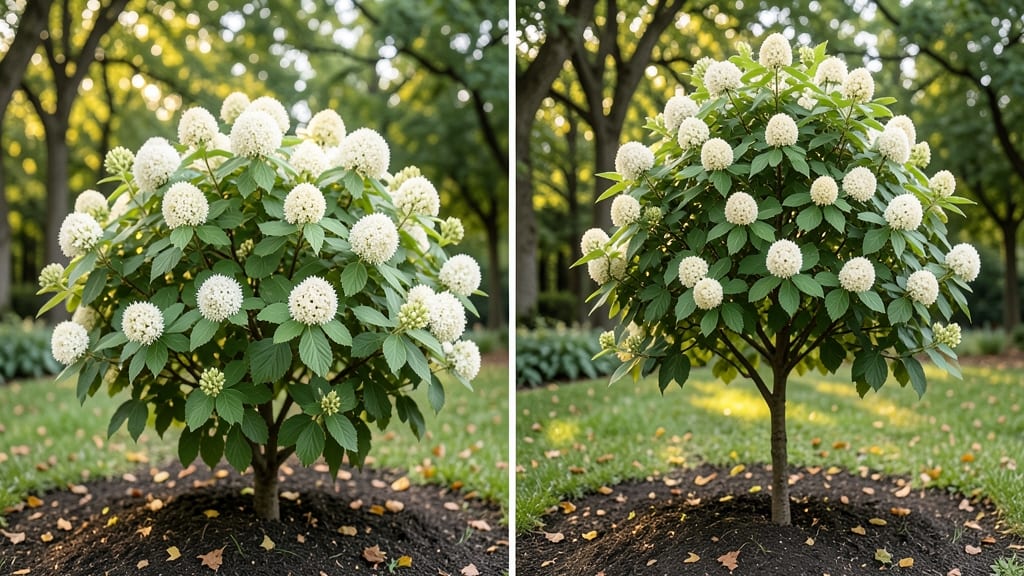
Calling all gardeners who want year-round fluff without the fuss—these two "snowball" plants are not what they seem. 🌿 The Viburnum opulus (true snowball bush) and Kochia scoparia (snowball tree) both deliver those iconic white pom-poms, but their care couldn’t be more different.
One’s a shrub that thrives on pruning drama, while the other’s a one-time-bloom annual that fades fast. Here’s how to pick the right one for your garden’s personality.
First, the snowball bush (Viburnum opulus)—a deciduous shrub that’s basically a four-season showstopper. It’s the diva of the duo: 3-5 feet tall, with glossy green leaves that turn fiery red in fall, followed by spring blooms that look like cotton balls.
But here’s the catch: it hates being ignored. Prune it back in late winter to encourage fresh growth, or it’ll get leggy and lose its shape. Water it well the first year, then let it fend for itself—it’s tough once established.
Now, the snowball tree (Kochia scoparia)—a wispy annual that’s all about temporary drama. This one’s the easy button: plant it in spring, watch it puff up with delicate white blooms by summer, then let it die back naturally.
No pruning required, just full sun and well-drained soil. It’s perfect for container gardens or cutting gardens, but it won’t last beyond fall. Think of it as the firework—bright, brief, and beautiful.
Here’s the real talk: Viburnum wins for permanent impact (and privacy screens if you let it grow), while Kochia is the low-maintenance fluff for seasonal color.
Need a long-term investment? Go bush. Craving effortless charm? Go tree. Either way, you’ll get those dreamy snowball blooms—just with very different rules.
The first product explained
Meet the Snowball Tree (Viburnum odoratissimum), a stunning ornamental plant that brings a touch of whimsy to any garden! 🌸 With its cascading clusters of white, snowball-like blooms, this deciduous tree is a showstopper in spring and early summer, offering year-round interest with its glossy foliage and striking winter bark.
📏 Specs & Features
- Height: Typically grows 15–25 feet tall (can be pruned smaller for a bushier look).
- Spread: 10–15 feet wide, making it ideal for medium to large gardens.
- Growth Rate: Moderate (12–24 inches per year).
- Bloom Time: Late spring to early summer, with fragrant white flowers.
- Foliage: Dark green, leathery leaves that turn bronze or purple in fall.
- Hardiness: Thrives in USDA zones 7–9, tolerating both sun and partial shade.
- Soil Preference: Adaptable but prefers well-drained, slightly acidic soil.
🎯 Target Users
The Snowball Tree is perfect for:
- Homeowners looking to add dramatic, low-maintenance beauty to their landscape.
- Gardeners who love fragrant, pollinator-friendly plants that attract bees and butterflies.
- Urban or suburban dwellers with moderate space (can be grown in containers for smaller yards).
- Those who appreciate year-round interest, from spring blooms to winter bark texture.
💰 Price Point
Pricing varies based on size and supplier, but you can expect to invest:
- Small (3–5 ft): $40–$80
- Medium (6–10 ft): $80–$150
- Large (10+ ft): $150–$300+
Pro Tip: 💡 Buy from reputable nurseries or online plant shops for healthy, disease-free specimens. Some sellers also offer pruning services if you’re new to maintaining this beauty!
The second product explained
If the Snowball Tree (Viburnum odoratissimum) is the showstopper, then the Snowball Bush (Viburnum opulus) is the versatile workhorse of your garden! 🌸 Known for its hardiness and adaptability, this deciduous shrub is a favorite among both novice and experienced gardeners.
Here’s why it deserves a spot in your yard—and how to keep it thriving with minimal fuss.
🌿 Key Specs & Features
- Height & Spread: Typically grows 5–8 feet tall and wide, making it perfect for hedges, borders, or standalone privacy screens.
- Bloom Time: Showcases stunning white pom-pom flowers in late spring, followed by vibrant red berries in fall (a treat for birds!).
- Hardiness: Thrives in USDA Zones 2–7, tolerating cold winters and heatwaves with ease.
- Light Needs: Adapts to full sun to partial shade, though it blooms best with at least 6 hours of sunlight daily.
- Soil Preferences: Flexible—grows in average garden soil, clay, or even slightly acidic conditions.
- Growth Rate: Moderate; expect 1–2 feet of growth per year under ideal conditions.
🎯 Who’s It For?
This bush is a garden multitasker, ideal for:
- Beginners: Low-maintenance and forgiving of pruning mistakes.
- Wildlife Enthusiasts: Berries attract birds, and flowers provide early-season nectar for bees.
- Small Spaces: Compact varieties (like Viburnum opulus ‘Compactum’) fit tight yards or containers.
- Privacy Seekers: Plant in rows to create a lush, living screen.
💰 Price Point & Value
Pricing varies by size and retailer, but here’s a general breakdown:
| Size | Price Range (USD) | Best For |
|---|---|---|
| 1–3 gallon (young plant) | $25–$50 | Budget-friendly starter or container gardening. |
| 5–7 gallon (mature root system) | $50–$90 | Established gardens or hedges. |
| Bare-root (spring planting) | $15–$40 | Cost-effective for large-scale projects. |
Pro Tip: 💡 Buy in early spring or fall for the best selection and lower prices. Nurseries often offer discounts on overstocked varieties—just ensure the plant is healthy!
🌱 Why It Wins for Pruning
The Snowball Bush is a pruner’s dream because:
- It rebounds quickly after cuts, making it forgiving for shape-ups.
- Deadheading spent blooms encourages more flowers the next season.
- Light pruning in late winter keeps it tidy and promotes bushier growth.
- No need for heavy annual pruning—just occasional trimming to control size.
Bonus: Its layered branches create natural texture, adding depth to any landscape design!
Head-to-head comparison
Choosing between a snowball tree (Viburnum odoratissimum) and a snowball bush (Viburnum opulus) isn’t just about aesthetics—it’s about understanding their unique traits, growth habits, and how they respond to pruning.
Below, we break down the key differences in a side-by-side comparison to help you decide which fits your landscape goals, climate, and maintenance style. 🌿✨
🌱 Growth Habit & Size
One of the most noticeable differences between these two plants is their growth pattern and mature size. Here’s how they stack up:
| Feature | Snowball Tree (Viburnum odoratissimum) | Snowball Bush (Viburnum opulus) |
|---|---|---|
| Type | Small to medium-sized tree (can be trained as a shrub) | Deciduous shrub (rarely grows into a tree) |
| Mature Height | 10–15 feet (with proper pruning, can be kept smaller) | 5–8 feet (compact and bushy) |
| Spread | 8–12 feet (wider than its height) | 5–6 feet (dense and rounded) |
| Growth Rate | Moderate (slower than the snowball bush) | Fast (quick to fill out space) |
Why it matters: If you’re short on space, the snowball bush is your best bet for a contained, low-maintenance look. But if you want a statement piece with height and drama, the snowball tree delivers—especially when pruned into a multi-trunk specimen. 🌳💡
🌸 Flowering & Seasonal Interest
Both plants are famous for their snowball-like blooms, but their timing, fragrance, and foliage differ. Here’s how they shine (or don’t):
| Feature | Snowball Tree | Snowball Bush |
|---|---|---|
| Flower Time | Late spring to early summer (May–June) | Mid to late spring (April–May) |
| Flower Color | Pure white, highly fragrant (scented like lilacs!) | White or pink-tinged, lightly fragrant |
| Flower Clusters | Large, rounded, tree-sized blooms (up to 6 inches wide) | Smaller, rounded clusters (2–4 inches wide) |
| Foliage | Dark green, leathery leaves; turns yellow in fall | Bright green, softer leaves; turns red/purple in fall |
| Berries | None (ornamental only) | Red berries in fall/winter (attractive to birds) |
Pro tip: The snowball tree’s fragrance is a game-changer for gardens where you want a sensory experience. Meanwhile, the snowball bush offers year-round interest with its berries and fall color. 🌡️✨
✂️ Pruning Requirements
Pruning is where these two plants really diverge. Your choice here will impact their shape, health, and flowering potential.
| Aspect | Snowball Tree | Snowball Bush |
|---|---|---|
| Best Time to Prune | Late winter or early spring (before buds swell) | Immediately after flowering (late spring) or late winter |
| Goal | Encourage a tree-like structure with 3–5 main trunks | Maintain a rounded, bushy shape |
| Deadheading | Not critical (focus on structural pruning) | Recommended to promote more blooms next season |
| Pruning Frequency | Annual light pruning; heavier shaping every 2–3 years | Annual pruning to control size and shape |
| Response to Pruning | Slower to recover (avoid over-pruning) | Quick to regrow and fill in gaps |
Key takeaway: The snowball tree needs a patient, strategic approach to pruning—think of it as sculpting a living work of art. The snowball bush, on the other hand, is more forgiving and rewards regular upkeep with lush, repeat blooms. 🎯🔪
🌦️ Hardiness & Climate Suitability
Where you live plays a huge role in which plant thrives. Here’s how they handle the elements:
| Factor | Snowball Tree | Snowball Bush |
|---|---|---|
| USDA Hardiness Zones | 6–9 (sensitive to extreme cold) | 2–7 (tougher in cold climates) |
| Heat Tolerance | Moderate (struggles in zones above 9) | Good (handles heat well in zones 2–6) |
| Drought Tolerance | Moderate (needs consistent moisture) | Moderate (once established, more resilient) |
| Soil Preferences | Well-draining, slightly acidic to neutral | Adaptable (tolerates clay, loam, or sandy soil) |
Climate tip: If you’re in a cold zone (2–6), the snowball bush is the clear winner—it’s practically indestructible. For milder climates (6–9), the snowball tree’s fragrance and height make it a standout. 🌡️💪
💰 Cost & Availability
Budget and accessibility can sway your decision. Here’s what to expect:
| Factor | Snowball Tree |
|---|