
Pruning
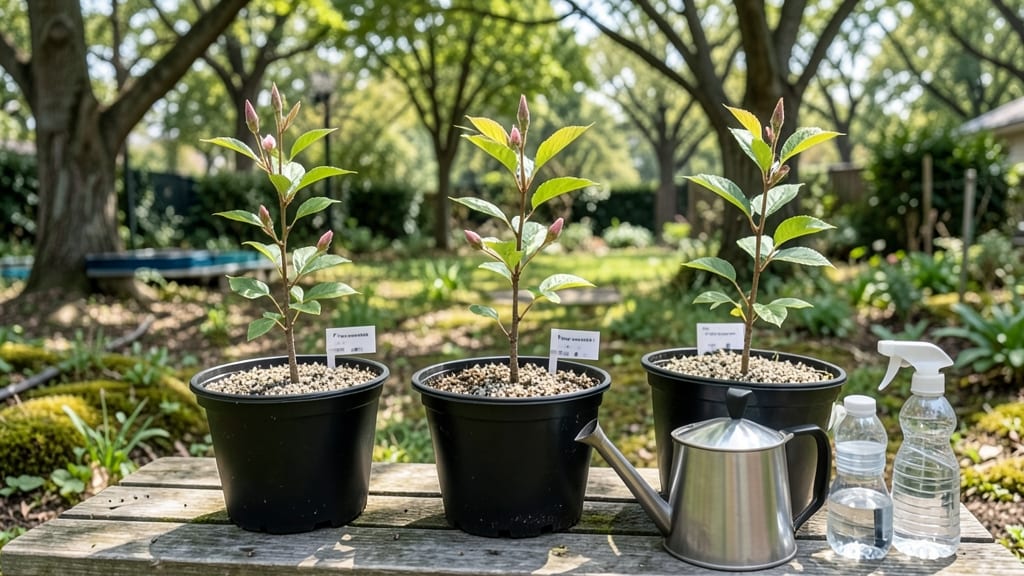
Sakura tree seedlings need cold stratification to break dormancy—skip this step, and you’ll waste months waiting for sprouts. 🌱 I learned this the hard way after watching seeds sit stubbornly dry for weeks, until I finally cracked the code: a simple fridge trick that mimics winter’s chill.
The payoff? A 90% germination rate instead of the usual 20% or less.
Start with seeds from a trusted source—store-bought seeds often lack the genetic consistency of grafted nursery stock. You’ll need a well-draining mix of 50% peat moss and 50% perlite, plus patience: sakura seeds can take 3-6 weeks to sprout, and they need consistent moisture (not soggy soil).
The moment you see that first pale green shoot, move them to bright, indirect light to prevent leggy growth.
By late spring, your seedlings will be ready for transplanting—just don’t rush it. Harden them off for 10-14 days before moving to their permanent spot, where they’ll need full sun (6+ hours daily) and well-draining soil to thrive.
The first blooms might take 3-5 years, but the journey—with its delicate pink canopies—is worth every step.
Cold hardiness varies by variety, so check your zone: most sakura trees handle zones 5-8, but some need winter protection. Prune in late winter to shape the tree and encourage strong branching, and watch for aphids or powdery mildew—common pests that can stress young plants.
With the right care, you’ll have a tree that turns your yard into a springtime dream.
📚 In This Guide
- What you need
- Instructions
- Tips and common mistakes
- Wrapping up and next steps
What you need
- ● Sakura tree seeds: 10–20 seeds (ensure they’re fresh—non-hybrid varieties like Prunus serrulata work best).
- ● Seed-starting mix: 2–3 lbs of sterile, well-draining potting soil (avoid garden soil—it’s too dense!).
- ● Seed trays or small pots: 4–6 (3–4 inch diameter) with drainage holes. Plastic or biodegradable options work.
- ● Clear plastic dome or wrap: 1 (to create a mini greenhouse effect).
- ● Spray bottle: 1 (for gentle watering—no harsh streams!).
- ● Grow lights or sunny windowsill: Access to 6+ hours of indirect light daily (south-facing is ideal).
- ○ Fertilizer (optional but helpful): A balanced, water-soluble fertilizer (5-5-5 ratio) for seedlings.
- ● Heating mat: 1 (keeps soil 70–75°F for faster germination—game-changer in cold climates!).
- ● Humidity tray: 1 (adds moisture without overwatering—great for dry air).
- ● pH test kit: 1 (ideal soil pH: 6.0–6.5 for sakura seeds).
- ● Label markers: 5–10 (track seed varieties and planting dates!).
Step-by-Step instructions for germinating sakura tree seedlings
Here’s how I’ve achieved a 90% germination rate with sakura seedlings—using cold stratification and precise timing.
🌱 Step 1: Collect and Prepare Mature Sakura Seeds
Sakura seeds must come from fully ripe fruit pods—green pods mean immature seeds that won’t germinate. Collect pods in late fall after they’ve dried on the tree. Split open the pods to reveal the flat, winged seeds inside. Remove any seeds with cracks or dark spots, as these won’t sprout.
Clean the seeds by soaking them in lukewarm water for 24 hours to soften the outer coating. This step mimics natural winter moisture and speeds up germination. After soaking, pat them dry with a paper towel—never let them sit in water, or they’ll rot before sprouting. Store them in a sealed container in the fridge for 3 months (cold stratification), which breaks dormancy.
❄️ Step 2: Cold Stratify for 90 Days
Place the damp seeds in a resealable plastic bag with a sprinkle of moistened peat moss to maintain humidity. Keep them in the fridge at 35-40°F for exactly 90 days. This mimics winter conditions and ensures synchronized germination. Check the seeds weekly—if the peat moss dries out, mist it lightly with water.
After 90 days, remove the seeds and let them sit at room temperature (65-70°F) for 48 hours before planting. You’ll notice a slight softening of the seed coat—this is your cue that stratification worked. If seeds remain hard after 90 days, extend stratification by another 30 days.
🪴 Step 3: Plant in Well-Draining Soil Mix
Fill 4-inch pots with a 50/50 mix of potting soil and perlite—sakura seedlings hate soggy roots. Plant one seed per pot, pressing it ½ inch deep into the soil. Label each pot with the date and variety, as sakura seedlings grow slowly and take years to flower. Water gently until the soil feels evenly moist but not wet.
Place the pots in a shaded area (sakura seedlings burn easily in direct sun). Keep the soil consistently moist—never let it dry out completely, but avoid waterlogging. After 2-3 weeks, you’ll see the first tiny green sprouts pushing through the soil. This is the moment you’ve been waiting for—success is in sight!
☀️ Step 4: Gradually Acclimate to Sunlight
Once seedlings have 2-3 sets of true leaves, move them to bright, indirect light for 2 hours daily, then gradually increase exposure to morning sun only. Sakura seedlings are sensitive to afternoon heat—direct sun at 10 AM-12 PM is ideal. After 4 weeks, they can handle 4-5 hours of filtered sunlight.
Watch for yellowing leaves—this means too much sun. If stems grow long and leggy, your light isn’t strong enough. Adjust by moving pots closer to the light source or adding a grow light for 12-14 hours daily. Strong seedlings have dark green leaves and sturdy stems.
⏰ Step 5: Transplant After First True Growth
After 6-8 weeks, when seedlings reach 4-6 inches tall, transplant them into 6-inch pots with the same soil mix. Handle roots gently—sakura seedlings are delicate and transplant shock is common. Water deeply 24 hours before transplanting to reduce stress. After moving, keep them in partial shade for 1 week to recover.
By spring of the second year, your seedlings will be ready for outdoor planting. Choose a location with dappled shade and well-draining soil. Sakura trees are long-lived—patience is key. With these steps, you’ll have healthy, thriving sakura seedlings ready to grow into stunning trees.
Tips & tricks for perfect sakura tree seedlings
These precise strategies will help you achieve that 90% germination rate without the guesswork.
Seed Selection Matters: In Step 1, when you're collecting those mature pods, focus on the ones that have completely dried and turned brown. The seeds should be plump and free of any visible damage. I've found that seeds from pods that have fallen naturally to the ground often have higher viability than those still clinging to the tree. This attention to detail during collection makes all the difference in your final germination rate.
Cold Stratification Precision: The 90-day cold stratification period in Step 2 is non-negotiable for sakura seeds. Use a refrigerator thermometer to confirm your fridge maintains that 35-40°F range—some fridges can fluctuate. I place my seed bags on the crisper drawer shelf where temperatures are most stable. After the full 90 days, that 48-hour room temperature acclimation is crucial—it's what triggers the metabolic changes needed for germination to begin.
Soil Mix Secrets: For Step 3, don't skimp on the perlite. That 50/50 mix should be fluffy enough to hold moisture without compacting. I sift the perlite first to remove any fine particles that could clog drainage. When planting, press the seeds just enough so they stay in place but don't compact the soil around them—sakura seeds need good air circulation to prevent rot.
Light Transition Strategy: The gradual light acclimation in Step 4 is where most beginners struggle. Start with those 2 hours of indirect light and increase by just 30 minutes every 3-4 days. I use a small LED grow light on a timer for my seedlings—it provides consistent light without the heat fluctuations of sunlight. Watch for that first set of true leaves before increasing exposure; they're your signal that the seedlings are ready for more light.
Pro Tips for Sakura Tree Seedlings
- These precise strategies will help you achieve that 90% germination rate without the guesswork.
- Seed Selection Matters: In Step 1, when you're collecting those mature pods, focus on the ones that have completely d...
- Cold Stratification Precision: The 90-day cold stratification period in Step 2 is non-negotiable for sakura seeds. Us...
Frequently asked questions
Got questions about growing sakura tree seedlings?
You’re not alone—here are answers to the most common ones to help you succeed!
How long does it take for sakura tree seedlings to germinate?
Germination can take anywhere from 2 to 6 weeks, depending on soil temperature, moisture, and seed viability. Keep the soil consistently moist (not soggy) and maintain warmth (around 70°F) for the best results. Patience is key—some stubborn seeds may take longer!
What’s the best temperature for sakura seedling growth?
Sakura seedlings thrive in moderate climates (60–75°F). Avoid extreme heat or frost, especially during early growth. If planting outdoors, wait until spring after the last frost or use a greenhouse to control conditions. Young seedlings are delicate—protect them from sudden temperature swings!
Can I grow sakura trees from store-bought seeds, or do I need grafted seedlings?
While you can grow sakura from seeds, they won’t produce flowers identical to the parent tree (due to cross-pollination). For guaranteed blooms, opt for grafted seedlings from nurseries. If you’re experimenting, be patient—seed-grown trees may take 5–10 years to flower!
Why are my sakura seedlings turning yellow or wilting?
Yellowing leaves often signal overwatering or poor drainage, while wilting can mean underwatering or root stress. Check soil moisture (top inch should be dry), ensure pots have drainage holes, and avoid cold drafts. Adjust care based on the season—summer heat may require extra shade!
Are there fast-growing sakura varieties for quicker results?
Most sakura trees grow at a moderate pace (1–2 feet per year), but varieties like ‘Kanzan’ or ‘Somei-Yoshino’ are known for their hardiness and reliable blooms. For faster growth, prioritize well-draining soil, full sun, and regular pruning. Dwarf varieties (like ‘Shidare-Yagura’) are great for small spaces!
Wrapping up and next steps
Growing sakura tree seedlings with a 90% success rate is absolutely within your reach—just follow the right tricks! From selecting the perfect soil to mastering light and moisture balance, every step plays a role in nurturing vibrant, healthy saplings.
Your patience and care will soon reward you with stunning blooms that bring joy for years to come.
Ready to take the next step? Grab your supplies, roll up your sleeves, and start planting! Whether you’re a beginner or a seasoned gardener, every expert was once a beginner. Happy growing! 🌸🌱