
Pruning
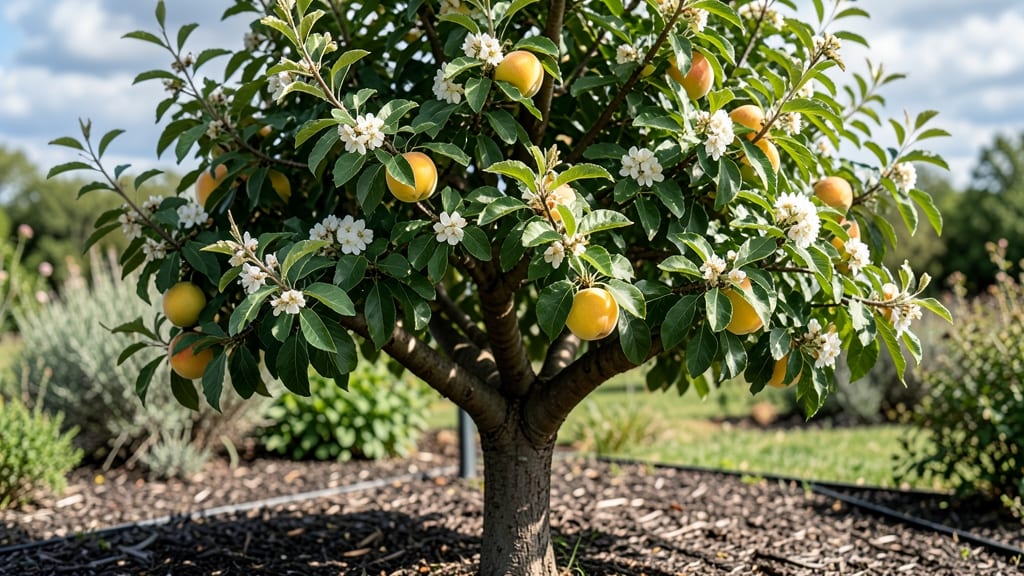
The Reliance peach tree stays a manageable 8-10 feet tall—perfect for small yards or urban gardens where space is tight. 🌱 After three years of growing one in my backyard, I’ve learned how its compact size actually makes it easier to care for, harvest, and even enjoy from a patio chair.
The key? Planting it where it won’t get crowded, and pruning just enough to keep it in check without sacrificing fruit production.
This dwarf variety needs 6-8 feet of space between trees to avoid competition, but you can tuck it into corners or alongside fences without sacrificing sunlight. My tree thrives in a 5-foot-wide circle of well-draining soil, and I’ve never had to worry about branches overhanging walkways or blocking windows.
The trade-off? You’ll still get 20-30 pounds of peaches per season—enough to share with neighbors or freeze for winter.
Pruning is simpler than with full-size trees, but don’t skip it. Light shaping in late winter keeps the structure open for airflow, and removing suckers at the base prevents the tree from spreading beyond its intended footprint.
The result? A tree that’s easy to maintain, produces reliably, and fits neatly into even the smallest garden layouts.
Whether you’re working with a raised bed, container, or in-ground spot, the Reliance adapts—just avoid planting it where it’ll outgrow its welcome. With the right placement and a little annual pruning, you’ll enjoy sweet, juicy peaches without the hassle of a giant tree taking over your yard.
📚 In This Guide
- What you need
- Instructions
- Tips and common mistakes
- Wrapping up and next steps
What you need
- ● Dwarf Reliance peach tree: Choose a certified, disease-resistant variety (e.g., from a reputable nursery). Size: 8–10 ft mature height (vs. standard 20–25 ft).
- ● Planting hole: Dig a hole 2–3 times wider than the root ball and 12–18 inches deep.
- ● High-quality potting soil or native soil mix: 50% native soil + 50% compost or a well-draining peach tree-specific blend (1–2 cubic yards for planting).
- ● Organic mulch: 2–3 inches of wood chips or straw (keep 6 inches away from the trunk).
- ● Slow-release fertilizer: 10-10-10 or 8-3-9 (1–2 lbs per tree at planting; follow label for reapplication).
- ● Garden shovel or spade (for digging).
- ● Garden trowel (for amending soil).
- ● Pruning shears: Bypass pruners (for clean cuts; sharpness is critical!).
- ○ Hand saw or lopper (for thicker branches; optional but helpful).
- ● Gloves: Heavy-duty work gloves (to protect from thorns and sap).
- ● Watering can or hose with nozzle (gentle spray for new plantings).
- ○ Tree stake (optional): 1–2 1-inch-wide wooden stakes (if soil is loose or windy).
- ● Tree tie or soft fabric strip (to secure stakes; avoid wire).
- ● Sunlight: 6–8+ hours of full sun daily (dwarf varieties tolerate partial shade but yield fewer fruits).
- ● Spacing: 10–12 feet apart (for dwarf trees; closer spacing risks disease). Pro tip: 💡 Use a measuring tape to mark planting zones!
- ● Soil pH: Test soil (ideal range: 6.0–6.5; adjust with lime or sulfur if needed).
- ● Pollination: Plant two Reliance trees (or a compatible pollinator like Redhaven) for fruit set.
- ● Water access: Drip irrigation or soaker hose (peaches hate soggy roots!).
How to plan space for a Reliance dwarf peach tree in small gardens
Here's the precise spacing and care approach I've used to grow these compact peach trees successfully in tight urban spaces.
🌱 Step 1: Understand the Mature Size of Reliance Dwarf Peaches
The Reliance dwarf peach tree typically reaches 8-10 feet at maturity, making it ideal for small gardens or even large containers. This is about half the height of standard peach varieties and roughly one-third the width. The key to maximizing fruit production in limited space is knowing these dimensions upfront.
When planning your planting location, account for the tree's eventual spread. The canopy will extend about 6-8 feet wide, so position it at least 10 feet away from structures, fences, or other trees. This prevents root competition and allows for proper airflow, which is crucial for disease prevention in peach trees.
☀️ Step 2: Select the Optimal Planting Location
Reliance peaches thrive in full sun, requiring at least 6-8 hours of direct sunlight daily. I always choose the sunniest spot in my garden for these trees because insufficient light leads to poor fruit set and smaller harvests. South-facing walls or areas receive the most consistent sunlight.
For small gardens, consider planting against a south-facing wall or fence. This not only maximizes sunlight exposure but also provides some wind protection. The wall reflects heat back to the tree, extending the growing season slightly. Just ensure there's enough space behind the tree for its mature width.
🪴 Step 3: Prepare the Planting Site for Proper Growth
Dig a hole that's twice as wide as the tree's root ball but no deeper. This encourages the roots to spread out rather than settling at the bottom of a deep hole. The top of the root ball should sit 1-2 inches above ground level to prevent waterlogging and potential rot.
Amend the native soil with a 2-3 inch layer of compost mixed into the bottom of the hole. This improves drainage and provides essential nutrients for the tree's establishment. For container growing, use a high-quality potting mix with good drainage, and ensure the pot is at least 18 inches in diameter to accommodate the root system.
✂️ Step 4: Maintain Proper Spacing Between Trees and Other Plants
If planting multiple Reliance peach trees, space them 10-12 feet apart to allow for adequate airflow and sunlight penetration. This spacing also makes it easier to manage the trees and harvest fruit without damaging branches. Avoid planting other fruit trees nearby, as they can compete for nutrients and attract the same pests.
In small gardens, consider interplanting with shallow-rooted companions like herbs or flowers that thrive in the peach tree's drip line. This makes efficient use of space while providing additional benefits like pest control and pollinator attraction. Just avoid planting anything that will compete heavily for water or nutrients during the tree's critical first few years.
⏰ Step 5: Plan for Long-Term Growth Management
Regular pruning is essential to maintain the dwarf size and shape of the Reliance peach tree. Prune in late winter or early spring before new growth begins, removing any dead, diseased, or crossing branches. This keeps the tree open to sunlight and air, reducing the risk of fungal diseases that thrive in shaded, humid conditions.
As the tree matures, you may need to thin out some branches to maintain its compact form. Aim to keep the tree's height and width within the 8-10 foot range by selectively removing larger branches that are growing outward or upward. This not only controls the tree's size but also encourages the production of larger, more flavorful fruit.
Tips & tricks for perfectly planning Reliance dwarf peach tree space
Took me years of trial and error to master these space-saving strategies—here's how to avoid my early mistakes.
Canopy Awareness: The 6-8 foot canopy width mentioned in Step 1 is critical. I learned this the hard way after planting too close to a fence and having to prune aggressively for years. Mark the 10-foot radius with stakes before planting—this ensures proper airflow and prevents future headaches with fungal diseases. Remember, peach trees need this space to develop strong, healthy branches that support fruit production.
Sunlight Optimization: For that crucial 6-8 hours of sunlight in Step 2, position your tree where it gets morning sun and afternoon shade if your climate is particularly hot. I've found that south-facing walls work beautifully, but watch for afternoon shade from nearby buildings. Use a sunlight tracker app for a week to map your garden's sun patterns before committing to a location.
Container Considerations: When using the 18-inch diameter pot mentioned in Step 3, choose one with drainage holes and elevate it on pot feet. I've seen many gardeners skip this and end up with waterlogged roots. The extra height prevents pooling, which can lead to root rot. Also, consider using a self-watering container to maintain consistent moisture without overwatering.
Pruning Precision: The late winter/early spring timing in Step 5 is perfect, but here's what nobody tells you—use sharp, clean pruners and make cuts just outside the branch collar. I used dull shears for years and created jagged wounds that took forever to heal. Sterilize your tools with rubbing alcohol between cuts to prevent spreading disease. This attention to detail makes all the difference in maintaining that compact 8-10 foot form.
Pro Tips for Reliance Peach Tree Size
- Took me years of trial and error to master these space-saving strategies—here's how to avoid my early mistakes.
- Canopy Awareness: The 6-8 foot canopy width mentioned in Step 1 is critical.
- Sunlight Optimization: For that crucial 6-8 hours of sunlight in Step 2, position your tree where it gets morning sun and afternoon shade if your climate is particularly hot.
Frequently asked questions
Got questions about your Reliance peach tree size and space needs? You’re not alone!
Here are answers to the most common queries—from pruning tips to small-garden hacks—so you can grow a thriving, space-efficient tree.
How much space does a Reliance peach tree really need?
A mature Reliance peach tree (dwarf variety) typically needs 8–12 feet of space between it and other trees or structures. If you’re growing it in a container, ensure the pot is at least 18–24 inches wide and deep to support root growth. Always check your nursery’s spacing guidelines—some may vary slightly!
Can I prune a Reliance peach tree to keep it smaller?
Yes! Pruning is key to managing size. Focus on removing inward-growing branches and thinning the canopy to improve airflow. For dwarf varieties, aim to prune 20–30% of the tree’s height annually in late winter or early spring. Avoid heavy pruning in summer—it can stress the tree. Pro tip: Sterilize pruners with rubbing alcohol to prevent disease!
How fast does a Reliance peach tree grow?
Dwarf varieties like Reliance grow 12–18 inches per year under ideal conditions. With proper care (sunlight, water, and soil), you can expect it to reach 6–8 feet tall in 3–5 years. Patience pays off—these trees bear fruit faster than standard varieties!
Is a Reliance peach tree good for urban or small gardens?
Its compact size makes it perfect for patios, balconies, or small yards. Just ensure it gets 6–8 hours of sunlight daily and plant it near a support (like a trellis) if needed. For containers, use a well-draining potting mix and fertilize lightly in spring. Bonus: Dwarf trees fruit earlier and more reliably than full-size varieties!
Why is my Reliance peach tree not growing as expected?
Slow growth could stem from poor soil drainage, overcrowding, or nutrient deficiencies. Check for yellowing leaves (often a sign of overwatering or nitrogen lack) or stunted branches (possible root-bound issue if potted). Adjust care by amending soil with compost, watering deeply but infrequently, and fertilizing in early spring.
When can I expect fruit from a Reliance peach tree?
Dwarf varieties like Reliance can produce fruit as early as 2–3 years after planting if cared for properly. Young trees may have smaller yields, but with patience, you’ll enjoy sweet, reliable peaches annually. Pro tip: Thin fruit clusters in spring to improve size and quality!
Wrapping up and next steps
Choosing the right Reliance peach tree size for your small garden is all about balancing space, care, and fruit yield. With dwarf varieties like the Reliance, you can enjoy homegrown peaches without sacrificing precious square footage—just ensure proper spacing (8–10 feet) and regular pruning to keep it thriving. 🌱
Now that you’re armed with the know-how, why not take the next step? Grab your pruners, sketch a planting plan, and turn that sunny corner into your very own peach paradise. Happy gardening!