
Pruning
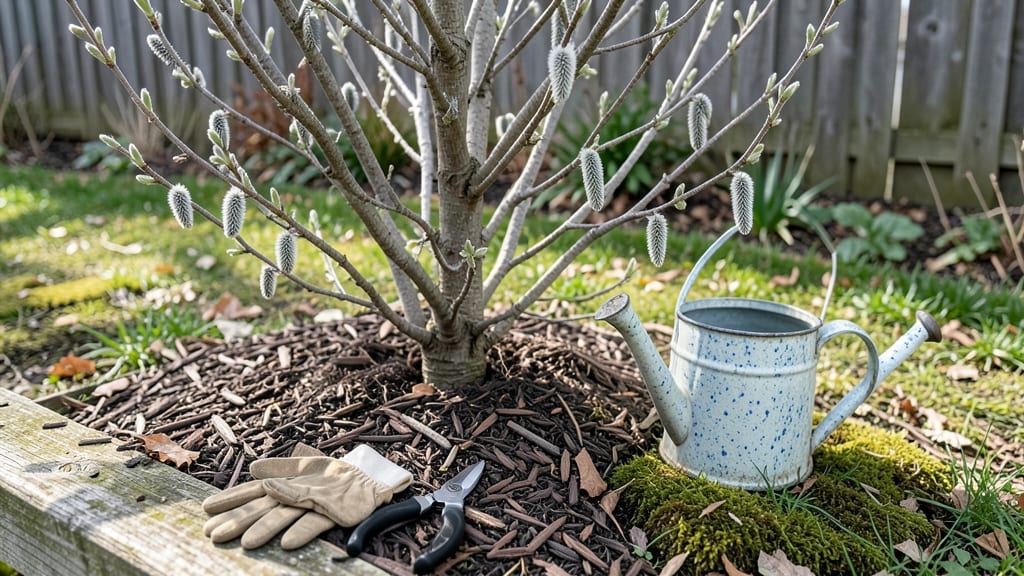
Caring for a pussy willow tree means waking up to those iconic fuzzy catkins every spring—if you time your pruning right. 🌿 The secret isn’t just cutting branches; it’s understanding when to shape the tree for maximum growth while avoiding the mistakes that turn it into a tangled mess.
I’ve pruned mine for five years, and the difference between a healthy, bushy willow and a leggy shadow comes down to a few key cuts made at the right time.
Pussy willows thrive in moist soil and full sun, but they’re surprisingly adaptable—even in partial shade or slightly dry conditions. The real game-changer is pruning in late winter or early spring, just as new growth begins.
This encourages dense, fluffy catkins and prevents the tree from becoming top-heavy. Most gardeners overlook the need to thin out crowded branches, which is where the magic happens for that lush, full look.
By summer, your tree will reward you with vibrant green leaves and those signature fuzzy blooms, but the work isn’t over. Regular light pruning throughout the season keeps it healthy, and a final cleanup in fall removes dead wood before winter.
The result? A tree that stays compact, produces more catkins each year, and resists pests better than neglected willows.
Whether you’re planting a sapling or reviving an overgrown willow, these tricks work for any size tree. The key is patience—pussy willows grow fast, but rushing the pruning leads to weak branches. Let’s get yours looking its best all year.
📚 In This Guide
- What you need
- Instructions
- Tips and common mistakes
- Wrapping up and next steps
What you need
- ● Pruning shears – Sharp, bypass-style shears (for clean cuts on small branches). Size: 6–8 inches.
- ● Loppers – For thicker branches (up to 2 inches in diameter). Spec: Bypass or anvil (avoid dull blades).
- ● Hand saw – Pruning saw with fine teeth for larger branches (2+ inches). Size: 10–12 inches.
- ● Gloves – Heavy-duty, cut-resistant gloves (pussy willow branches can be sharp!).
- ● Disinfectant – 70% isopropyl alcohol or a 10% bleach solution (1 part bleach to 9 parts water) to sterilize tools.
- ○ Pruning sealant – Optional but recommended for large cuts (>1 inch diameter) to prevent disease. Type: Tree wound dressing.
- ● Watering can or hose – For post-pruning hydration. Tip: Use a soaker hose for deep watering.
- ● Extension pole – For high branches (10–15 feet). Spec: Telescoping or foldable.
- ● Safety glasses – Protects eyes from debris during heavy pruning.
- ● Tree bag or tarp – To collect fallen branches and debris easily.
- ● Fertilizer – Slow-release, balanced fertilizer (10-10-10 or similar) for post-pruning recovery. Apply: Early spring.
- ● Mulch – Organic mulch (wood chips or shredded bark) to retain moisture and regulate soil temp.
Step-by-step instructions for pussy willow tree care
Here's how I keep my pussy willow thriving through all four seasons—no guesswork, just proven techniques.
🌱 Step 1: Plant in the Right Location and Soil
Pussy willows love wet feet but hate soggy roots, so choose a spot where water pools naturally after rain but drains within 24 hours. I dig a hole twice as wide as the root ball but only as deep—planting too deep smothers the roots. Mix the excavated soil with 20% compost to improve drainage and fertility.
Spread the roots gently outward before backfilling. Tap the soil lightly to remove air pockets but don't compact it—willow roots need room to breathe. Water deeply right after planting to settle the soil around the roots. You'll know it's right when the top 2 inches of soil feel moist but not waterlogged.
☀️ Step 2: Provide the Right Light and Water Balance
Pussy willows tolerate full sun to partial shade, but for the fluffiest catkins, I give mine 4-6 hours of morning sun and afternoon shade—especially in hot climates. Too much afternoon sun can scorch the delicate leaves. Water deeply once weekly during dry spells, aiming for 1-2 inches of water per week.
Check soil moisture by sticking your finger 2 inches deep—if it feels dry, water thoroughly. Avoid wetting the leaves to prevent fungal diseases. Mulch around the base with 2-3 inches of organic mulch (like shredded bark) to retain moisture and regulate soil temperature. Keep mulch 6 inches away from the trunk to prevent rot.
✂️ Step 3: Prune for Shape and Health
Prune pussy willows in late winter or early spring before new growth begins. I remove 1/3 of the oldest branches at the base to encourage fresh growth and improve airflow. Cut just above a outward-facing bud at a 45-degree angle to prevent water from pooling on the cut.
Thin out crowded branches to reduce competition for nutrients. Look for branches that cross or rub—these should go first. Avoid heavy pruning in fall, as new growth won't harden off before winter. After pruning, water deeply to help the tree recover. You'll see new shoots emerge within 2-3 weeks if the timing is right.
⏰ Step 4: Protect in Winter and Monitor Year-Round
Pussy willows handle cold well, but young trees or harsh winters need extra care. I wrap the trunk of young trees with burlap or tree wrap to protect against sunscald and rodent damage. Avoid heavy snow buildup on branches—tap it off gently to prevent breakage.
Check the tree regularly for signs of stress: yellowing leaves, wilting, or sparse catkins. These often signal overwatering, poor drainage, or nutrient deficiency. Fertilize lightly in early spring with a balanced, slow-release fertilizer if growth seems stunted. A healthy pussy willow should produce soft, fuzzy catkins in early spring—that's your sign everything's on track.
Tips & tricks for perfect pussy willow tree care
These little details make all the difference between a struggling shrub and a thriving, catkin-producing beauty.
Soil Drainage Secret: That 24-hour drainage window is critical—test your spot by filling a hole with water and timing how long it takes to disappear. If it drains slower, amend with more compost or consider a raised bed. I've had to relocate willows twice because I underestimated drainage, and trust me, nobody wants waterlogged roots. The top 2 inches of soil should feel like a damp sponge, not a swamp.
Light Balance Insight: The 4-6 hours of morning sun isn't just about catkins—it's about preventing leaf scorch. I notice the difference most in summer when leaves get crispy edges after too much afternoon heat. If your willow's leaves look sunburned, move it to a spot with more afternoon shade or provide temporary shade cloth during peak sun hours.
Pruning Precision: That 1/3 oldest branch rule isn't arbitrary—it's about maintaining the tree's natural shape while encouraging new growth. I mark branches with masking tape before cutting to visualize the final shape. And always cut at that 45-degree angle—it's not just for looks, it prevents water from pooling on the cut and causing rot. You'll see fresh green shoots within 2-3 weeks if you've pruned correctly.
Winter Protection Pro Tip: For young trees, I double up on protection by wrapping the trunk with burlap AND adding a layer of straw mulch around the base (keep it 6 inches from the trunk). This creates an insulating barrier against both cold winds and rodent nibbling. I've lost count of how many willows I've saved this way during harsh winters.
Pro Tips for Pussy Willow Tree Care
- These little details make all the difference between a struggling shrub and a thriving, catkin-producing beauty.
- Soil Drainage Secret: That 24-hour drainage window is critical—test your spot by filling a hole with water and timing how long it takes to disappear.
- Light Balance Insight: The 4-6 hours of morning sun isn't just about catkins—it's about preventing leaf scorch.
Frequently asked questions
Got questions about keeping your pussy willow tree thriving? Here are answers to the most common concerns—from pruning timing to troubleshooting—so you can enjoy its fluffy blooms year after year!
When is the best time to prune a pussy willow tree?
Prune your pussy willow late winter or early spring (before buds swell) to encourage healthy growth and vibrant catkins. Avoid heavy pruning in fall, as it can stimulate tender new growth vulnerable to frost. Light shaping can happen anytime, but never prune during active bloom—you’ll miss next year’s fuzzy show!
How do I encourage more pussy willow catkins?
Catkins thrive with full sun (6+ hours daily) and well-draining soil. Prune to improve airflow, and fertilize lightly in early spring with a balanced 10-10-10 formula. Over-fertilizing can reduce blooms—think quality over quantity! Water deeply but infrequently to avoid root rot.
Why are my pussy willow branches dying?
Dying branches often signal overwatering, disease (like canker), or pest damage. Check for blackened lesions (fungus) or sawdust-like frass (insects). Prune dead/diseased wood with sterilized tools, and improve drainage if soil stays soggy. Yellowing leaves? Could be nutrient deficiency—test soil and amend with compost.
Can I grow a pussy willow in a container?
Yes! Choose a large pot (20+ gallons) with drainage holes and use moist, well-draining potting mix. Dwarf varieties like Salix caprea ‘Pendula’ work best. Move containers outdoors in spring/summer and bring indoors before frost (they’re not frost-hardy in pots). Prune roots annually to prevent circling.
What’s a good alternative if pussy willows are too high-maintenance?
Try ‘Honey Willows’ (Salix caprea ‘Pendula’) for a low-maintenance, weeping form, or pussy willow shrubs like Salix discolor (native to North America). For year-round interest, consider ornamental grasses (e.g., Miscanthus) or dwarf willows like Salix purpurea, which need less pruning.
Wrapping up and next steps
Caring for your pussy willow tree is all about patience and timing—whether you’re pruning for shape, health, or those iconic spring blooms! 🌿 With the right tools, seasonal tricks, and a little love, your tree will thrive for years to come.
Now that you’re armed with expert tips, there’s no better time to roll up your sleeves and give your willow the TLC it deserves.
Ready to take action? Mark your calendar for next year’s pruning schedule and watch your tree flourish! 🌱