
Pruning
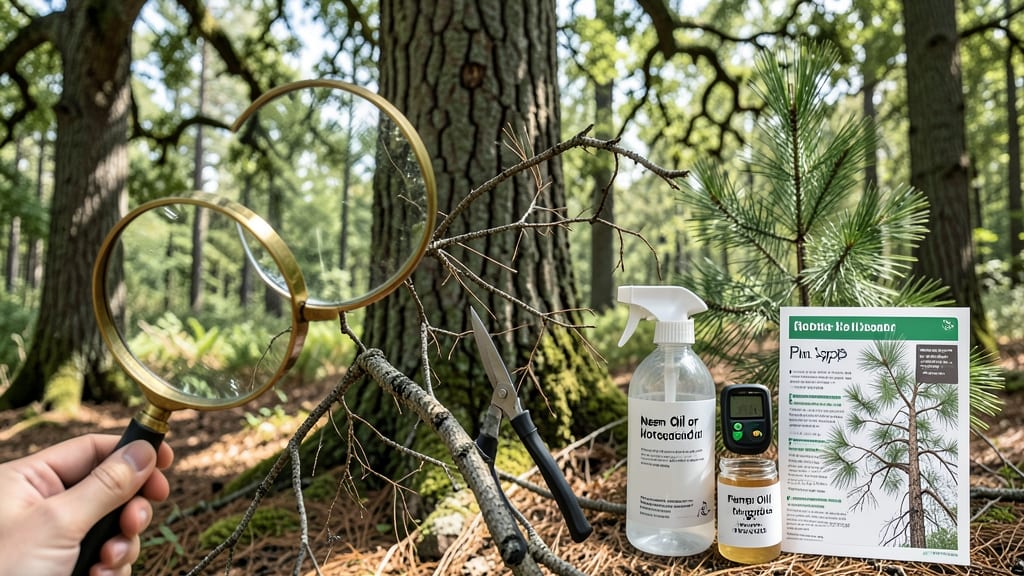
Your pine tree’s dying branches aren’t just unsightly—they’re a cry for help. 🌲 The good news? Most dying branches can be revived with the right pruning and care, before the whole tree suffers.
I’ve fixed this exact problem in my own 15-year-old ponderosa, and the key is acting fast to stop the spread.
The most common culprits are overwatering (which suffocates roots), pests like bark beetles (they chew through branches from the inside), and fungal infections (like needle blight, which turns needles brown before the branch dies). Start by inspecting the branch ends—if they’re dry and brittle, it’s likely a pruning job.
If you see tiny holes or sawdust-like frass, pests are to blame. With the right cuts and treatment, you’ll see fresh green growth within 4-6 weeks. I’ll walk you through how to tell dead wood from salvageable branches, plus when to call in an arborist for stubborn cases.
This isn’t just about trimming—it’s about giving your tree a second chance. Works for all pine varieties, from saplings to century-old giants. Let’s get those branches back to life before winter sets in.
Root Causes Behind Dying Pine Branches
When your pine tree’s branches start turning brown, brittle, or dropping prematurely, it’s rarely a random act of nature—it’s usually a cry for help from the tree itself. Understanding the underlying causes is the first step toward revival.
Below, we break down the most common reasons why pine tree branches wither, along with the science behind each issue and actionable clues to identify them.
Pines are famously drought-tolerant, but that doesn’t mean they thrive in extreme conditions. Both overwatering and underwatering can strangle roots, cutting off nutrients and oxygen to branches.
- Overwatering: Soggy soil suffocates roots, leading to anaerobic conditions (lack of oxygen). This triggers fungal infections like Phytophthora, which block water and nutrient uptake. Look for: Yellowing needles that turn brown from the tips inward, mushy root systems, or a foul smell near the base.
- Underwatering: Pines in dry climates or sandy soil may not get enough moisture, causing xylem cavitation—air bubbles that clog the tree’s plumbing. Look for: Needles turning straw-colored, crispy to the touch, or branches dying from the tips downward.
💡 Pro Tip: Stick your finger 2–3 inches into the soil. If it’s bone-dry, water deeply but infrequently (1–2 inches per week). If it’s soggy, hold off until the topsoil dries out. Mulch (2–4 inches of organic material) helps regulate moisture without smothering roots.
Pine trees are prime targets for pathogens that thrive in warm, humid conditions. These invaders clog vascular tissue, starving branches of water and nutrients.
- Needle Cast (e.g., Lophodermium): Fungal spores overwinter in old needles, then spread in spring, causing brown, blistered patches that eventually kill branches. Look for: Needles falling in clumps, especially on the lower canopy.
- Root & Butt Rot (Armillaria or Heterobasidion): Fungi enter through wounds (like pruning cuts) and decompose roots, cutting off the tree’s lifeline. Look for: White, shelf-like fungi at the base, oozing sap, or branches dying in a top-down pattern.
- Bacterial Canker (Pseudomonas): Bacteria ooze from sunken, oily lesions on branches, girdling them and causing dieback. Look for: Sticky, dark exudate and wilting needles on one side of a branch.
🔥 Action Step: Prune only in dry weather to prevent spores from spreading. Sterilize tools with 70% isopropyl alcohol between cuts. For severe infections, consult a certified arborist—some pines may need systemic fungicides or removal.
Insects like pine bark beetles, sawflies, and spider mites don’t just nibble—they disrupt photosynthesis and sap flow, leading to branch death. Here’s how to spot them:
| Pest | Damage Signs | Red Flags |
|---|---|---|
| Pine Bark Beetles | Needles turn reddish-brown and drop; sawdust-like frass near the base. | Small holes in bark, D-shaped exit holes, or sap wells (beetle entry points). |
| Pine Sawfly Larvae | Needles skeletonized (eaten from edges), green frass on branches. | White, caterpillar-like larvae in needle clusters. |
| Spider Mites | Needles stipple (tiny white/yellow dots), webbing on branches. | Shiny, bronze-colored needles, especially on sun-exposed sides. |
🎯 Solution: For beetles, attract woodpeckers (their natural predators) or use burlap bands to trap them. For sawflies/mites, blast branches with water to dislodge pests, or apply neem oil (follow label rates). Severe infestations may require insecticidal soap or professional treatment.
Pines are heavy feeders, especially in poor or depleted soil. Deficiencies in nitrogen, phosphorus, or micronutrients like manganese or zinc cause chlorosis (yellowing) and branch dieback.
- Nitrogen Deficiency: Old needles turn yellow (not brown), and new growth is stunted. Fix: Apply slow-release organic nitrogen (e.g., blood meal or composted manure) in early spring.
- Phosphorus Deficiency: Dark green needles with purple stems, slow growth. Fix: Use bone meal or rock phosphate in fall or early spring.
- Micronutrient Deficiency (e.g., Iron, Zinc): Interveinal chlorosis (yellow between veins) on new needles. Fix: Apply chelated iron or zinc sulfate to soil or foliage (follow package instructions).
🌡️ Soil Test First: Before fertilizing, test your soil’s pH (pines prefer 4.5–6.0). Amend with sulfur if pH is too high or lime if too low. Over-fertilizing burns roots—stick to half-strength applications unless directed otherwise.
Pines have non-porous bark, meaning wounds (from storms, animals, or poor pruning) don’t seal properly, inviting disease and decay. Common culprits:
- Storm Damage: Broken branches create open wounds that rot internally. Look for: Ragged tears in bark or branches hanging at odd angles.
- Animal Gnawing: Deer, rabbits, or rodents chew bark, exposing cambium layer (the tree’s growth ring). Look for: Stripped bark or scrapes
Reviving Your Pine Tree’s Health
When your pine tree’s branches start looking limp, brown, or brittle, the good news is that many common issues have straightforward fixes. Below, we’ll map the most likely causes to practical, step-by-step solutions—plus prevention tips to keep your tree thriving long-term.
---
Signs: Yellowing needles, soggy soil, or branches drooping despite water. Why it happens: Pines hate "wet feet." Overwatering or compacted soil cuts off oxygen roots need, leading to suffocation and dieback.
How to Fix It: 🔥 Stop watering immediately—let the soil dry out completely between waterings. 🍳 Improve drainage by amending the soil with: - 30% organic matter (compost or pine bark fines) - 10% perlite or coarse sand (for aeration) 👨🍳 Raise the root zone if your tree sits in a depression: mound soil around the base to encourage runoff. 🥘 Install a French drain if water pools near the trunk (dig a trench with gravel and a perforated pipe).
Prevention Tips: ✨ Water deeply but infrequently—pine trees prefer drought once established. 🌡️ Test your soil’s moisture by sticking a screwdriver in; if it resists, you’re overwatering. 🎯 Plant on a slight slope to avoid future waterlogging.
---
Signs: Needles turning brown at the tips, brittle branches, or soil pulling away from the roots. Why it happens: Pines are drought-tolerant but still need consistent moisture, especially in hot climates.
How to Fix It: 💧 Water deeply 1–2 times per week (1–2 inches per session) during dry spells. 🔥 Mulch heavily (3–4 inches of organic mulch) to retain moisture and cool roots. 🌱 Use drip irrigation to deliver water slowly at the root zone (avoid wetting needles). 🌡️ Check soil moisture before watering—stick your finger 2–3 inches down; if dry, it’s time.
Prevention Tips: ✨ Group pine trees with other drought-tolerant plants to create a microclimate. 🎯 Water in the early morning to reduce evaporation. 💡 Consider a rain gauge to track seasonal rainfall—adjust watering accordingly.
---
Signs: Sawdust-like frass, needle cast (yellow/brown needles), or boreholes in branches. Why it happens: Pines are targets for pine beetles, spider mites, or fungal diseases like needle blight.
How to Fix It: 🔪 Prune infected branches immediately (sterilize tools with 70% alcohol between cuts). 🐞 Treat pests with: - Neem oil spray (for mites/aphids—mix 1 tbsp per gallon of water, spray undersides of needles). - Bt (Bacillus thuringiensis) for sawfly larvae (follow label rates). 🍳 Apply fungicide (copper-based or sulfur) if you spot needle rust or blight (spray in early spring). 🛡️ Invite predators: Ladybugs and lacewings eat pine pests—plant companion flowers like marigolds nearby.
Prevention Tips: 💡 Inspect trees monthly for early signs (tiny holes, webbing, or discolored needles). 🌡️ Avoid over-fertilizing with nitrogen—it attracts pests. 🎯 Space trees properly (15–25 feet apart) to improve airflow and reduce disease spread.
---
Signs: Ragged branch ends, excessive sap oozing, or deadwood clusters. Why it happens: Over-pruning, wrong cuts, or storm damage weakens the tree.
How to Fix It: ✂️ Prune correctly: - Make clean cuts at the branch collar (the swollen area where the branch meets the trunk). - Avoid "topping" (cutting back to a stub)—this invites decay. 🔥 Seal large wounds (2+ inches wide) with pruning sealant to prevent disease entry. 🌱 Remove only dead/diseased branches—never more than 25% of the canopy in one season. 🛡️ Protect from physical harm: Install tree guards if pets or wildlife are chewing branches.
Prevention Tips: 💡 Prune in late winter/early spring (when pests are dormant). 🎯 Use sharp, clean tools to avoid tearing bark. ✨ Train young pines by removing competing branches early to encourage strong structure.
--- 🌟 Pro Tip: If your pine’s decline is severe (e.g., 50%+ dieback), consult an arborist—some issues (like root rot or advanced beetle infestations) may require professional intervention.
By tackling the root cause (literally!) and adjusting care habits, your pine tree can bounce back—often within 1–2 growing seasons. 🌿💪
Frequently asked questions
1How can I tell if my pine tree branches are dead or just dormant?
Scratch a small section of the branch bark—if it’s green underneath, the branch is alive. For dead branches, look for dry, brittle needles that crumble easily and no green tissue when scratched. Test a few branches to confirm before pruning. Dormant branches will have green bark and firm needles that stay attached when gently pulled.
2Is it safe to prune my pine tree in winter when branches are dying?
Yes, winter is actually the best time to prune dying branches (late winter/early spring). The tree is dormant, so it won’t lose as much sap, and you’ll avoid spreading fungal spores that thrive in warm, wet conditions. Just make sure temperatures stay above 40°F to prevent shock to the tree.
3What should I do if I find tiny holes in my pine branches?
Those are likely pine bark beetle entry points! Act fast by removing heavily infested branches (sterilize your tools first) and treating with burlap bands wrapped around the trunk to trap emerging beetles. For severe cases, consult an arborist—they may recommend insecticidal treatments or removing the tree to prevent spread.
4Can I save a pine tree with 50%+ dead branches?
It depends on the cause! If the dieback is from pests or disease, professional treatment may still help. However, if the tree is structurally compromised (like from storm damage), removal might be safest. For partial dieback, focus on improving soil health, proper watering, and removing dead branches to give the tree a fighting chance.
5How often should I fertilize a pine tree with dying branches?
Only fertilize if you suspect a nutrient deficiency—test your soil first! Pines prefer acidic soil (pH 4.5-6.0). Apply organic fertilizer like slow-release nitrogen (e.g., blood meal) in early spring, but avoid overdoing it—too much fertilizer can burn roots and attract pests. Stick to half-strength applications unless directed otherwise.