
Trees
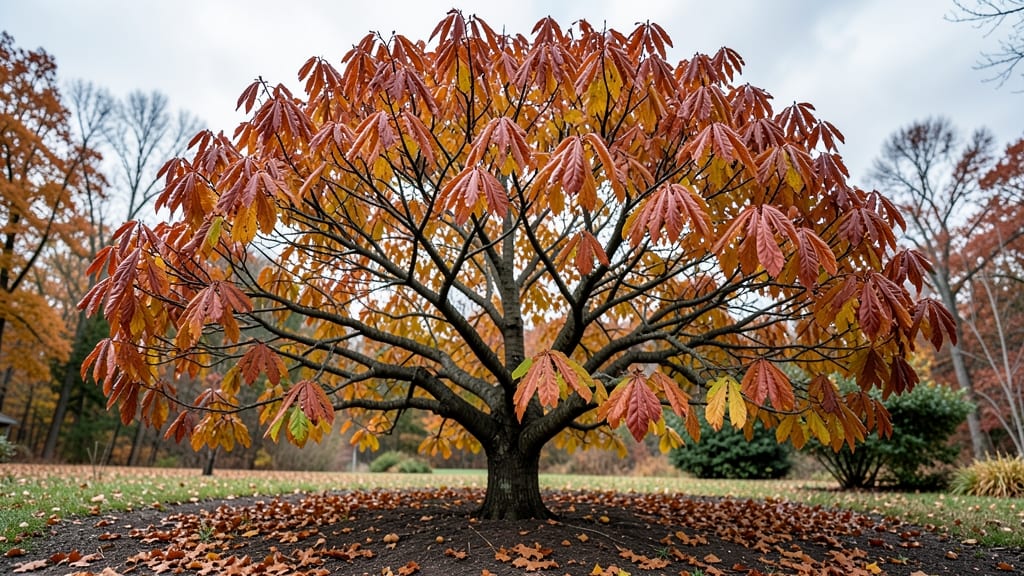
Persimmon leaves falling early isn’t just about autumn—it’s your tree’s way of signaling stress. 🌳 Whether it’s fungal spots, sucking pests, or thirsty roots, the timing of your pruning can make all the difference for next year’s fruit.
I’ve seen trees go from dropping leaves in July to producing sweeter, heavier persimmons by winter—just by cutting at the right time and addressing the root cause.
The key is pruning after the leaves fall but before new growth starts—typically late winter in most climates. Remove any dead, diseased, or crossing branches first, then thin out the canopy to improve airflow.
This isn’t just about aesthetics; it’s about giving your tree the energy it needs to recover and rebound. And don’t forget to check the soil—drought-stressed trees often need a deep watering or a layer of mulch to keep moisture in.
📚 In This Guide
- What you need
- Instructions
- Tips and common mistakes
- Wrapping up and next steps
What you need
- ● Pruning shears: Bypass pruners (for cuts up to ½ inch thick) – sharp and clean (1 pair).
- ● Loppers: For thicker branches (½ to 1½ inches) – with a long handle for reach (1 pair).
- ● Pruning saw: For branches over 1½ inches in diameter – with a fine-tooth blade (1 saw).
- ● Disposable gloves: Heavy-duty, cut-resistant (1 pair) – to protect from thorns and sap.
- ● Rubbing alcohol (70%+) or bleach solution: For sterilizing tools between cuts (small bottle).
- ● Trash bags or bucket: For collecting fallen leaves and pruned branches (1-2 bags or 1 bucket).
- ○ Ladder (optional): Extendable or sturdy step ladder (if tree is over 6 feet tall).
- ● Marking twine or flags: For tagging branches to remove (small roll).
- ● Weather check: Choose a dry, cloudy day (avoid pruning in extreme heat or cold).
- ● Tree health assessment: Inspect the tree for signs of disease (e.g., fungal spots, oozing sap) or pests. Note any issues for post-pruning care.
- ● Safety gear: Safety glasses (to shield from debris) and long sleeves/pants (for protection).
- ● Sharpener: A file or sharpening stone for pruners/loppers (if tools aren’t pre-sharpened).
- ● Bring a spray bottle: With water or soapy water to clean tools mid-pruning and prevent sap buildup.
- ● Label branches: Use twine to mark branches for removal before you start cutting—saves time and confusion!
- ● Have a first-aid kit handy: Just in case of minor scrapes or splinters (because even pros get pricked!).
Instructions for pruning persimmon trees after leaf drop
Here's the timing and technique I use to prune persimmons for stronger growth and bigger fruit next season.
⏰ Step 1: Wait Until Dormancy Begins
Prune your persimmon tree only after all leaves have fallen and the tree has entered dormancy—typically late winter to early spring (February or March in most climates). Cold temperatures help prevent disease spread, so avoid pruning when buds are already swelling. You'll know it's time when branches look bare and the ground stays dry for several days.
If you prune too early, you risk damaging tender new growth. If you wait too late, you'll cut into next season's fruit buds. The ideal window is just before buds begin to plump up—usually 4-6 weeks before your last frost date. Check your local frost calendar to time it perfectly.
✂️ Step 2: Remove Dead, Diseased, or Crossing Branches
Start by cutting out dead, diseased, or broken branches first—these are the easiest to spot. Use clean, sharp pruning shears to make cuts at a 45-degree angle, just outside the branch collar (the swollen area where the branch meets the trunk). Diseased wood should be disposed of immediately, not composted.
Next, remove any branches that cross or rub against each other—they'll create wounds that invite pests. Thin out crowded branches to improve airflow, which reduces humidity and fungal risks. Look for branches growing inward; these won't receive sunlight and won't produce fruit. Aim to open up the canopy so light reaches the center of the tree.
🌱 Step 3: Shape for Sunlight and Airflow
Persimmons need plenty of sunlight to set fruit, so prune to create an open, vase-like shape. Remove any "water sprouts"—those fast-growing, vertical shoots that steal energy from fruit production. Cut these back to a side branch or the main trunk. You'll see them as thin, pale shoots popping up everywhere after dormancy.
For young trees, focus on establishing a strong scaffold of 3-5 main branches spaced evenly around the trunk. Older trees benefit from light pruning to maintain this structure. Never remove more than 25% of the tree's foliage in one season—this stresses the tree and reduces next year's fruit set.
💧 Step 4: Clean Up and Apply Wound Treatment
After pruning, collect and dispose of all debris to prevent disease. Wipe your pruning tools with rubbing alcohol between cuts to avoid spreading pathogens. For larger cuts (over ½ inch thick
Water the tree deeply after pruning to help it recover. The roots will need moisture to support new growth, especially if you've made significant cuts. Watch for signs of stress like wilting or leaf drop in spring—this can indicate over-pruning. If it happens, reduce watering slightly until the tree stabilizes.
Tips & tricks for pruning persimmon trees after leaf drop
Timing and technique make all the difference when pruning persimmons—here's what I've learned to maximize fruit production.
Timing Secret: The 4-6 week window before your last frost is non-negotiable. I check my local frost calendar and mark the date 42 days before—this gives me a clear deadline. If you're in a warmer climate where buds swell earlier, set a reminder for when you first notice buds starting to plump. That's your cutoff point. Real talk: I've seen trees stressed when pruned too late, with buds oozing sap and struggling to set fruit.
The Technique That Changed Everything: When removing branches in Step 2, make your cuts just outside the branch collar—not too close, not too far. I use my thumb as a guide: place it on the underside of the branch, then cut just beyond it. This ensures the tree can seal the wound properly. For larger branches (over ½ inch thick), I make the cut at a 45-degree angle to shed water away from the trunk. Smaller branches can be cut straight across.
Make-Ahead Strategy: If you're pruning a large tree, break the process into two sessions. Start with the easy stuff—dead, diseased, and crossing branches—then take a day to assess the canopy structure. I've found that giving myself time between sessions prevents over-pruning mistakes. Mark branches you plan to remove with surveyor's tape so you can spot them easily the next day.
Common Mistake Fix: Over-pruning is the biggest mistake I see. Remember the 25% rule: never remove more than a quarter of the tree's foliage in one season. If you're unsure, take photos before you start—you can compare them later to check your progress. I've had to prune back my own cuts after removing too much, and it took the tree two years to fully recover.
Pro Tips for Persimmon Tree Leaves Fall
- Timing and technique make all the difference when pruning persimmons—here's what I've learned to maximize fruit production.
- Timing Secret: The 4-6 week window before your last frost is non-negotiable.
- The Technique That Changed Everything: When removing branches in Step 2, make your cuts just outside the branch collar—not too close, not too far.
Frequently asked questions
Got questions about your persimmon tree’s fall foliage and pruning? You’re not alone!
Here are answers to the most common concerns—from timing to troubleshooting—so you can keep your tree thriving for next year’s sweet harvest.
When do persimmon tree leaves normally fall, and does it affect pruning?
Persimmon leaves typically turn golden or orange in late fall (October–November), then drop by December. Prune after leaves fall (dormant season) to avoid stressing the tree. If leaves drop early (before frost), it may signal disease—check for pests or fungal spots before pruning.
Should I wait until all leaves are gone before pruning?
Not necessarily! Aim to prune within 4–6 weeks after leaf drop (ideally January–February). Waiting too long delays the tree’s energy reserves for spring growth. Pro tip: If leaves linger past December, they’re likely dead—snip them off to improve airflow and sunlight.
What if my persimmon tree has no leaves at all—is it dead?
Don’t panic! Some persimmon varieties (like Diospyros virginiana) shed leaves early. Test for life by scraping bark—if it’s green underneath, the tree’s alive. If branches are brown, brittle, or hollow, they may be dead. Remove only confirmed deadwood; healthy branches will sprout leaves in spring.
Can I prune persimmon trees in winter if it’s not freezing?
Yes, but avoid pruning during warm spells (above 40°F). Cold dormancy (below 32°F) helps the tree heal faster. If temps fluctuate, wait until mid-winter for cleaner cuts. Pro tip: Prune on a dry, sunny day to reduce disease risk from wet tools or wounds.
Will pruning now affect my persimmon fruit next year?
Pruning correctly boosts fruit production! Focus on:
- Removing dead/diseased branches ( improves air flow).
- Thinning crossing or crowded limbs ( increases sunlight).
- Avoid cutting more than 25% of foliage ( prevents stress).
Wrapping up and next steps
Watching persimmon tree leaves fall is nature’s gentle reminder that timing and care are key to a thriving harvest. By pruning in late winter or early spring—when the tree is dormant but before new growth—you’ll encourage stronger branches, better airflow, and sweeter, more abundant fruit next season. 🌱
Now that you’re armed with the right tools, techniques, and tips, there’s no time like the present to roll up your sleeves! Grab your pruners, step outside, and give your persimmon tree the TLC it deserves—your future harvest will thank you. Happy pruning! 🍂✨