
Pruning
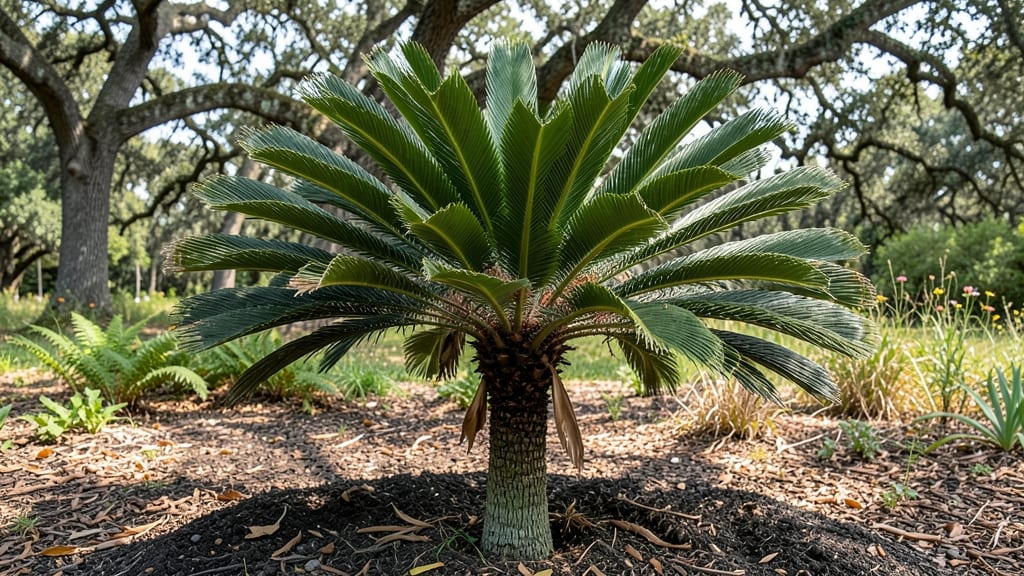
Short palm trees bring tropical drama without the space. 🌴 I've transformed my tiny courtyard into a mini paradise using varieties that stay under 6 feet tall, proving you don't need acres to get that resort vibe.
The secret lies in choosing the right species—like the Pygmy Date Palm or Dwarf Palmetto—both of which thrive in containers and fit snugly on patios. These compact beauties grow slowly, so they won't outpace your garden's boundaries, and their lush fronds add instant height without overwhelming small spaces.
You'll create stunning focal points, frame doorways, or even line a walkway with these elegant miniatures. Pair them with succulents or bright annuals for a layered look that pops, and don't forget to add solar lighting for that magical evening glow.
Perfect for urban balconies, courtyard gardens, or even as striking indoor statement plants. Here's how to style them like a pro!
📚 In This Guide
- What you need
- Instructions
- Tips and common mistakes
- Wrapping up and next steps
What you need
- ● Palm tree sapling or small mature palm: Choose a dwarf or slow-growing variety like Chamaedorea elegans (parlor palm) or Trachycarpus fortunei (windmill palm) for small spaces. Ensure it’s 3–5 feet tall (or smaller) for easy management.
- ● High-quality potting soil: 5–10 gallons, well-draining and enriched with peat moss or coconut coir (avoid heavy garden soil).
- ● Container or planting hole: For containers: A 15–20 gallon pot with drainage holes (terracotta or fiberglass recommended).
- ● For in-ground planting: A hole 2–3 times wider than the root ball and equally deep.
- ● Pruning tools: Bypass pruners (for clean cuts on fronds).
- ○ Sterilized saw (if dealing with thick stems—optional for small palms).
- ● Gloves (to protect against sap and sharp edges).
- ● Root stimulator (to encourage growth in new plantings).
- ● Mulch (pine bark or shredded leaves to retain moisture).
- ● Support stake (for young palms in windy areas).
- ● Disinfectant (rubbing alcohol or bleach solution to clean tools between cuts).
- ● Slow-release fertilizer (balanced 10-10-10 or palm-specific formula).
How to select and care for compact palm tree varieties
Small gardens deserve big style—and these dwarf palms deliver stunning tropical beauty without the space commitment.
🌱 Step 1: Choose the Right Miniature Palm Species
Not all palms stay small—pick from proven dwarf varieties like the Pygmy Date Palm (max 6 feet), Parlor Palm (3-4 feet), or Dwarf Palmetto (4-6 feet). These thrive in containers or tight spaces while maintaining graceful fronds. I always check mature height before buying, because even "dwarf" palms can outgrow their welcome in 5-10 years.
For indoor spaces, Parlor Palms handle low light best, while Dwarf Palmetto loves bright indirect light. If your space gets full sun, the Pygmy Date Palm becomes a striking focal point. Avoid tropical palms like Majesty Palms—they're beautiful but grow 30+ feet tall.
🪴 Step 2: Select Proper Containers and Soil Mix
Use 12-18 inch diameter containers for mature dwarf palms, with drainage holes to prevent root rot. Terra cotta pots help regulate moisture better than plastic. I fill the bottom third with orchid bark mix for drainage, then top with well-draining potting soil (avoid garden soil—it compacts and suffocates roots).
For outdoor planting, amend native soil with 20% perlite or coarse sand to improve drainage. These palms hate soggy feet, so raised beds work beautifully for urban gardens. The key is ensuring water runs away from the root zone—otherwise, you'll deal with yellowing fronds and fungal issues within months.
☀️ Step 3: Position for Light and Temperature Needs
Most dwarf palms need bright, indirect light (6-8 hours daily). Place them near east or west windows, or under 40W LED grow lights if indoors. You'll notice fronds turning yellow or stretching toward light when they're not getting enough—this is your signal to move them closer to the window or increase light exposure.
Keep temperatures between 65-85°F. Below 50°F, fronds burn, and prolonged exposure below 45°F kills the plant. In cold climates, bring potted palms indoors before first frost and place them near a sunny window. If you must leave them outside, choose the Dwarf Palmetto—it's the hardiest of the bunch.
💧 Step 4: Water and Fertilize for Optimal Growth
Water when the top 2 inches of soil feel dry—stick your finger in to check. Overwatering is the #1 killer of dwarf palms. I water deeply until it drains from the bottom, then empty the saucer to prevent root rot. In winter, reduce watering to every 2-3 weeks since growth slows dramatically.
Feed with a balanced liquid fertilizer (10-10-10) every 4-6 weeks during spring and summer. Cut back to monthly in fall and stop fertilizing in winter. You'll see new fronds emerging within weeks of consistent feeding—this is your reward for proper care. For organic options, use fish emulsion diluted to half-strength.
✂️ Step 5: Prune and Maintain Year-Round Health
Remove yellow or brown fronds at the base with clean, sharp pruners—never pull them out by hand. This keeps the palm looking tidy and prevents pests from hiding in dead fronds. I also trim any fronds that rub against walls or furniture to avoid damage. The goal is to encourage fresh, healthy growth while maintaining the plant's natural shape.
Dust fronds monthly with a damp cloth to help them photosynthesize efficiently. In late winter, you can repot if roots are circling the container. Choose a pot 2 inches wider than the current one and refresh the soil mix. This simple step prevents root-bound stress and keeps your palm thriving for years.
Tips & tricks for perfect compact palm tree care
These practical tips will help you keep your dwarf palms thriving for years—without the common pitfalls that turn tropical beauty into sad, yellowing fronds.
Species Selection Wisdom: When choosing between Pygmy Date Palms, Parlor Palms, and Dwarf Palmetto, consider your space's light conditions first. The Parlor Palm's ability to thrive in low light makes it ideal for offices or dimly lit rooms, while the Dwarf Palmetto's tolerance for bright indirect light suits most indoor environments beautifully. For outdoor spaces that get full sun, the Pygmy Date Palm will reward you with striking, sun-kissed fronds—just be prepared to water more frequently during hot spells.
Container Upgrade: While 12-18 inch diameter containers work well, consider upgrading to slightly larger pots (up to 20 inches) when your palm outgrows its current home. The extra space gives roots room to expand without becoming root-bound, which prevents that telltale sign of stress: slow growth and yellowing fronds. Terra cotta pots are my top recommendation—they breathe better than plastic and help regulate moisture, but make sure to place them on saucers to catch excess water.
Light Troubleshooting: Those 6-8 hours of bright, indirect light are non-negotiable for most dwarf palms. If you notice fronds stretching toward the light source (a condition called etiolation), it's time to move your palm closer to the window or supplement with a 40W LED grow light. For indoor palms, rotate the pot quarter-turn weekly so all sides get even light exposure—this prevents lopsided growth that makes your palm look like it's leaning toward the sun.
Winter Care Strategy: When temperatures drop below 50°F, your palm's growth slows dramatically, and that's when most people overwater. Remember to reduce watering to every 2-3 weeks during winter months, and stop fertilizing entirely until spring. The key is to mimic the plant's natural dormancy period—just like how you wouldn't water a houseplant as much in winter, treat your palm with the same seasonal care. A simple moisture meter (available for under $10) makes this easier than guessing.
Pro Tips for Palm Tree Short
- These practical tips will help you keep your dwarf palms thriving for years—without the common pitfalls that turn tropical beauty into sad, yellowing fronds.
- Species Selection Wisdom: When choosing between Pygmy Date Palms, Parlor Palms, and Dwarf Palmetto, consider your space's light conditions first.
- Container Upgrade: While 12-18 inch diameter containers work well, consider upgrading to slightly larger pots (up to 20 inches) when your palm outgrows its current home.
Frequently asked questions
Got questions about keeping your palm tree short while maintaining its beauty? Here are some answers to help you navigate pruning, care, and styling with ease!
What’s the best time of year to prune a palm tree to keep it short?
Prune your palm tree in late winter or early spring (just before new growth begins). Avoid pruning during extreme heat or cold—this helps the tree recover faster and reduces stress. If you’re in a warm climate, early spring is ideal for minimal shock.
How much can I cut off a palm tree without harming it?
Never remove more than 1/3 of the fronds at once—this ensures the tree retains enough energy to thrive. For dwarf varieties, trim only the oldest, yellowing fronds to maintain a neat look. Over-pruning weakens the tree and can lead to disease or pests.
Can I keep a palm tree short indoors or in a container?
Yes! Dwarf varieties like Pygmy Date Palm or Parlor Palm thrive in containers. Prune indoors the same way—remove dead fronds and trim selectively—but avoid drastic cuts. Ensure the pot has drainage, and fertilize lightly in spring/summer for compact growth.
What should I do if my palm tree gets brown tips after pruning?
Brown tips often signal underwatering, over-pruning, or pests. Check soil moisture (palms hate soggy roots!) and inspect for spider mites or scale. If the issue persists, reduce pruning frequency and apply a balanced palm fertilizer. Most trees bounce back in 2–4 weeks.
Are there palm tree varieties that stay naturally short without much pruning?
Consider these low-maintenance dwarfs:
- Pygmy Date Palm (6–10 ft tall)
- Parlor Palm (3–6 ft, great for indoors)
- Dwarf Palmetto (5–10 ft, cold-hardy)
- Bamboo Palm (6–12 ft, clumping habit)
Wrapping up and next steps
Choosing a palm tree short variety is a fantastic way to bring tropical charm to even the smallest garden spaces! These compact beauties offer year-round elegance without the space demands of their taller cousins.
Whether you’re a beginner or a seasoned gardener, their low-maintenance nature makes them a perfect fit for patios, balconies, or cozy corners.
Ready to transform your space? Start by selecting the perfect variety—like the Pyramid Palm or Dwarf Palmetto—and give your garden a stylish, sun-drenched upgrade! 🌿✨