
Pruning
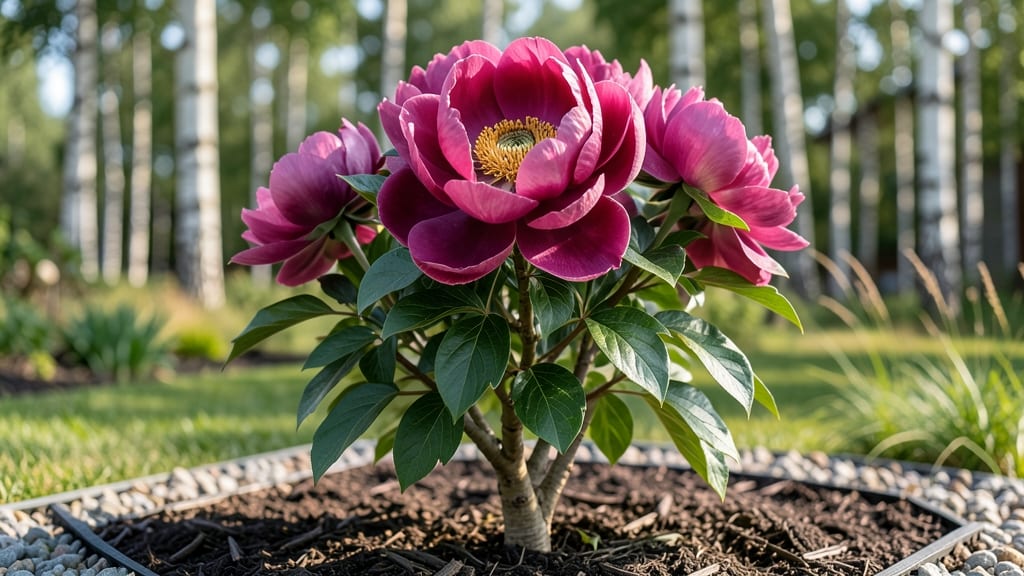
Tree peonies (Paeonia suffruticosa) reward patience with decades of dramatic blooms—but only if you prune them right. 🌸 I’ve watched mine go from struggling shrubs to the showstopper of my garden by mastering just three key cuts each year.
The secret isn’t aggressive trimming; it’s understanding when to shape, when to open airflow, and when to leave the plant alone.
Most gardeners over-prune tree peonies, thinking more cuts mean more flowers. Wrong. These woody beauties bloom on old wood, so heavy pruning can rob you of next year’s blooms.
Instead, focus on light shaping in late winter, removing dead branches, and thinning crowded stems to improve airflow—especially after blooms fade. My 10-year-old tree peony now produces 20+ blooms each spring, thanks to this approach.
You’ll end up with lush, fragrant blooms that last weeks longer than hybrid peonies, plus a shrub that thrives for centuries with minimal care. The best part? These cuts take just 15 minutes a year. No fancy tools needed—just sharp pruners, a sunny day, and a little strategic patience.
Works for both newly planted and established tree peonies, in containers or garden beds. Let’s get those blooms going strong for another season!
📚 In This Guide
- What you need
- Instructions
- Tips and common mistakes
- Wrapping up and next steps
What you need
- ● Pruning shears: Sharp, bypass-style shears (for clean cuts on smaller stems). Size: 6–8 inches.
- ● Loppers: For thicker branches (1–2 inches in diameter). Size: 18–24 inches.
- ● Hand pruners: For precision cuts on tiny stems or buds. Size: 5–6 inches.
- ● Disinfectant: 70% isopropyl alcohol or rubbing alcohol (to sterilize tools between cuts and prevent disease).
- ○ Garden twine or zip ties: For securing branches during heavy pruning (optional but helpful for large cuts).
- ● Gloves: Heavy-duty gardening gloves (to protect from thorns and sap).
- ○ Pruning sealant: (Optional but recommended for large cuts >1 inch to prevent disease entry).
- ● Notebook & pen: To jot down pruning notes (e.g., bud locations, branch directions).
- ● Timing: Prune after flowering (late spring/early summer) or dormant season (late winter/early spring). Avoid pruning in fall.
- ● Weather: Choose a dry, overcast day to minimize stress on the plant.
- ● Safety: Wear long sleeves/pants—tree peonies have sharp thorns!
- ● Research: Know your peony’s variety (e.g., Paeonia suffruticosa)—some bloom on old wood, others on new!
How to prune tree peonies for maximum blooms and health
Strategic pruning transforms a tree peony from a struggling shrub into a showstopper with bold, repeat blooms.
✂️ Step 1: Understand the Right Time for Each Cut
Tree peonies bloom on second-year wood, meaning buds form on stems from the previous season. Prune at the wrong time, and you risk cutting off next year's flowers. I always wait until late spring, after blooms fade but before new growth hardens—typically 4-6 weeks post-flowering. This timing ensures you never remove potential bloom stems.
Watch for the first flush of new leaves on the current season's growth. When those appear, your tree peony has finished its primary bloom cycle and is ready for shaping. Never prune in fall or winter—dormant plants can't heal wounds properly, inviting disease.
🌿 Step 2: Remove Dead, Weak, or Crossing Branches First
Start by eliminating branches that are dead, diseased, or rubbing against others. Use sharp, clean pruners to make cuts at a 45-degree angle, about ¼ inch above a outward-facing bud. Dead branches snap easily when dry—if a branch breaks with a clean snap, it's dead. Diseased branches may ooze or have blackened areas; cut these back to healthy wood.
Crossing branches compete for sunlight and air circulation, creating weak, crowded growth. I always step back to visualize the plant's natural shape. Remove branches that grow inward or cross others, cutting back to the nearest outward-facing bud. This opens the center and encourages stronger, more abundant blooms next season.
✂️ Step 3: Thin Out Overcrowded Stems for Airflow
Tree peonies thrive with good airflow, which prevents fungal diseases like powdery mildew. If stems are packed too closely, thin them out to 3-5 main branches per plant, removing the smallest or weakest. Cut at the base, just above a bud or lateral branch. Avoid leaving stubs—these collect moisture and rot.
Look for stems that are less than pencil-thick or growing straight upward without side branches. These are energy vampires, sapping nutrients from stronger stems. After thinning, you’ll notice more light reaching the center, which triggers healthier growth. Step back again to ensure the plant’s natural form remains balanced.
🌱 Step 4: Shape the Plant for Future Blooms
Tree peonies respond well to light shaping, but avoid heavy pruning—never remove more than 20-30% of the plant’s foliage at once. Focus on creating an open, vase-like shape by selectively trimming back branches that grow too long or sprawl. Cut just above a bud that faces outward to encourage new growth in the right direction.
If a branch is overly leggy, shorten it by ⅓ to ½ to promote bushier growth. You’ll see new shoots emerge from the buds you leave behind, filling out the plant’s structure. Avoid cutting back to old wood—this removes potential bloom stems. Instead, prune to encourage a mix of old and new growth for continuous flowers.
💧 Step 5: Post-Pruning Care for Strong Recovery
After pruning, water deeply to help the plant recover. Tree peonies have deep roots, so aim for 1-1.5 gallons per plant, soaking the soil to a depth of 12 inches. Avoid overhead watering, which can spread fungal spores. Instead, water at the base early in the morning to allow foliage to dry quickly.
Apply a 2-3 inch layer of mulch around the base, keeping it 3-4 inches away from the trunk to prevent rot. Mulch retains moisture and regulates soil temperature, which is especially important in hot climates. In the weeks following pruning, monitor for new growth—this confirms the plant is healing well and preparing for next year’s blooms.
Tips & tricks for perfect tree peony pruning
Mastering the art of peony pruning takes practice, but these insights will help you avoid common pitfalls and transform your plant into a blooming powerhouse.
Timing is Everything: The 4-6 week window after blooms fade is critical—this is when your peony has finished its primary flowering cycle but hasn't yet hardened new growth. I've learned the hard way that pruning too early can remove next year's flower buds, while waiting too long risks cutting into new wood that hasn't yet developed. Mark your calendar after your peonies bloom to catch this precise moment. The first flush of new leaves is your visual cue that it's time to act.
The 45-Degree Angle Secret: When making cuts in Step 2, that 45-degree angle isn't just aesthetic—it's functional. This angle helps water runoff, preventing it from pooling on the cut surface where it could cause rot. I always use sharp pruners to make clean cuts about ¼ inch above an outward-facing bud. The bud's orientation determines where new growth will emerge, so think of each cut as directing future growth patterns. Never leave stubs—they collect moisture and become breeding grounds for disease.
Visualizing the Plant's Future: Before making any cuts, step back and visualize your peony's natural shape. Think of it like sculpting—you're removing material to reveal the form underneath. Aim for an open, vase-like structure that allows sunlight to penetrate to the center. The goal is 3-5 main branches, each with good airflow around it. I often sketch a rough outline on paper first to plan my cuts before touching the plant. This prevents over-pruning and ensures you maintain that crucial 20-30% foliage limit.
Post-Pruning Recovery Boost: That 1-1.5 gallon deep watering isn't just about hydration—it's about helping the plant recover from stress. Tree peonies have deep roots that need proper moisture to regenerate. I've found that adding a handful of compost to the watering hole provides a gentle nutrient boost during this critical recovery period. The 2-3 inch mulch layer works like insulation, protecting roots from temperature swings while retaining moisture. In hot climates, I increase the mulch to 3-4 inches during summer months to prevent soil from drying out too quickly.
Pro Tips for Paeonia Tree Peony
- Mastering the art of peony pruning takes practice, but these insights will help you avoid common pitfalls and transform your plant into a blooming powerhouse.
- Timing is Everything: The 4-6 week window after blooms fade is critical—this is when your peony has finished its primary flowering cycle but hasn't yet hardened new growth.
- The 45-Degree Angle Secret: When making cuts in Step 2, that 45-degree angle isn't just aesthetic—it's functional.
Frequently asked questions
about Paeonia tree peony pruning—because even the most stunning blooms need a little TLC! Here are answers to the most common queries to keep your tree peony thriving.When is the best time to prune my Paeonia tree peony?
Prune your Paeonia right after flowering in late spring or early summer. Avoid pruning in fall or winter, as these plants need their energy reserves to support next year’s blooms. Light shaping can be done anytime, but major cuts should wait until after blooming season.
Can I prune my tree peony too much?
Over-pruning—especially cutting into old wood—can stress the plant and reduce blooms. Never trim more than one-third of the plant’s height, and avoid cutting back to bare stems. Tree peonies bloom on older wood, so patience is key!
Why aren’t my tree peonies blooming after pruning?
If your Paeonia skips blooms, it might be due to over-pruning, poor sunlight, or nutrient deficiency. Ensure it gets 6+ hours of sun daily and fertilize lightly in early spring. Also, avoid heavy cuts—tree peonies need their established structure to produce flowers.
Are there alternatives to traditional pruning for tree peonies?
Yes! If you dislike pruning, you can skip major cuts and just remove dead or crossing branches. For a low-maintenance look, let the plant grow naturally—tree peonies are forgiving and can thrive with minimal intervention. Just keep an eye on shape!
Do tree peonies need winter protection after pruning?
In USDA Zones 5-7, mulch the base with 3-4 inches of organic mulch (like straw or leaves) after pruning to insulate roots. In colder zones (below 5), add extra mulch or a light burlap wrap around the trunk. Avoid heavy pruning in late fall—wait until spring!
Wrapping up and next steps
Mastering the art of paeonia tree peony pruning unlocks a garden of vibrant blooms year after year! By following seasonal best practices—like light trimming in late winter and post-bloom shaping—you’ll encourage healthier growth and stunning flowers.
Remember, patience and precision are key, but the rewards are worth every snip.
Ready to transform your garden? Grab your shears and start pruning today! For extra inspiration, explore tree peony varieties or join gardening forums to share your progress. Happy pruning! 🌸✂️