
Pruning
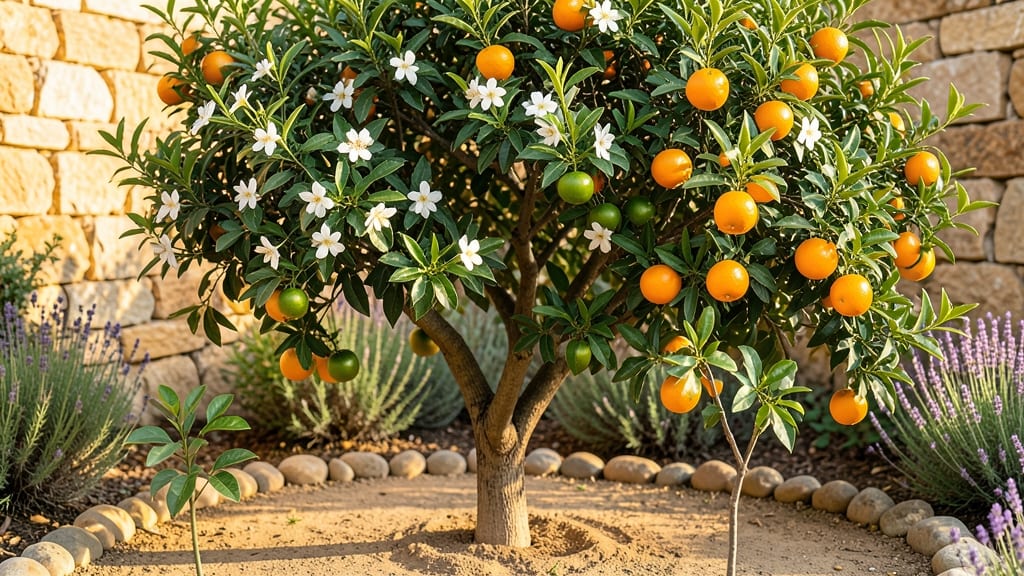
Understanding the orange tree growth stages 🍊 is the key to growing a thriving tree from seed to harvest.
There’s nothing more rewarding than watching a tiny sapling transform into a lush, fruit-bearing giant—but without knowing what to expect at each phase, you might miss critical care moments. From the first delicate leaves to the first blush of orange blossoms, every stage demands a different approach.
In this guide, I’ll walk you through the year-by-year milestones of an orange tree’s life cycle, including how climate, pruning, and watering affect its development.
Whether you’re in a warm desert zone like Phoenix or a colder climate like Ohio, you’ll learn how to nurture each stage for a healthier, more productive tree.
You’ll discover the three critical phases of growth, common pitfalls at each stage, and exactly when to expect those first sweet oranges. Ready to grow your own citrus treasure?


Orange tree growth stages by year: seed to sapling development
Growing an orange tree from a seed is a rewarding journey that spans years, with each phase bringing new challenges and milestones. Understanding the orange tree growth stages helps you provide the right care at the right time.
From the first seed germination to the sapling development phase, your tree’s needs evolve dramatically.
In the first year, your orange tree transforms from a tiny seed into a seedling with 3–5 leaves. By year three, it may reach 6–10 feet tall and show early signs of flowering. Proper care during these early years sets the foundation for a healthy, fruit-bearing tree.
| Stage | Age | Height | Key Features | Care Focus |
|---|---|---|---|---|
| Seed Germination | Year 0 | 0–0.5 in | First cotyledon leaves appear; root hairs develop | Keep soil moist but not soggy; provide warmth (70–80°F) |
| Seedling | Year 1 | 1–3 ft | 3–5 true leaves; thin stems; shallow roots | Full sun (6+ hours); balanced fertilizer (6-6-6) |
| Juvenile Sapling | Year 2 | 4–6 ft | Leathery leaves (2–4 in long); lateral branches form | Prune weak branches; deep watering (1–2 gallons/week) |
| Mature Sapling | Year 3 | 6–10 ft | First flower buds (small, white-pink); thicker trunk | Reduce nitrogen fertilizer; protect from frost (Zone 6a) |
| Early Flowering | Year 4–5 | 10–15 ft | Blooms appear; fruit set begins (small, green oranges) | Hand-pollinate if needed; thin fruit for larger sizes |
Year 0 marks the germination stage, where your orange seed breaks through the soil to form the first cotyledon leaves. These leaves are simple and broad, providing energy for the young plant. During this phase, maintain consistent moisture—never let the soil dry out completely, but avoid waterlogging.
By 6–8 weeks, your seedling will develop its first true leaves, which are smaller, glossy, and serrated. This is when you can introduce a balanced fertilizer (like 6-6-6) to support root and shoot growth.
Place your seedling in a sunny window or under grow lights for 12–14 hours daily.
In Year 1, your orange tree enters the seedling phase, growing 1–3 feet tall with a woody stem. Focus on pruning leggy growth to encourage bushier development. Container-grown trees may need repotting into a 5-gallon pot by late summer if roots outgrow their space.
As your tree reaches Year 2, it becomes a juvenile sapling, with leaves growing 2–4 inches long and a more robust structure. This is when you’ll notice lateral branches forming.
Increase watering to 1–2 gallons per week and add mulch around the base to retain moisture and regulate soil temperature.
By Year 3, your sapling may show its first flower buds, though they may not yet produce fruit. The tree’s trunk thickens, and its root system expands deeper into the soil.
Reduce nitrogen-heavy fertilizers to prevent excessive leaf growth at the expense of flowering. If you’re in Zone 6a, protect young trees from late spring frosts with frost cloth.
The 4–5 year mark is critical for flowering potential. Your tree may produce its first white-pink blooms in spring, followed by tiny green oranges. Hand-pollinate flowers with a soft brush if bees are scarce. Thin fruit to 6–8 inches apart to ensure larger, healthier oranges.
Throughout these stages, monitor for pests like aphids or fungal diseases such as citrus blight. Early intervention with neem oil or copper fungicide can save your tree. Patience and consistent care during these early years will set your orange tree up for a lifespan of 50+ years and bountiful harvests.
🌱
Key signs your orange tree is ready for fruit production
Your orange tree’s journey from seedling to fruit-bearing powerhouse depends on three key maturity signals: height, trunk thickness, and leaf development. A 3-5 year old tree with a trunk diameter of 2-4 inches and mature leaves (4-6 inches long) is typically ready to bloom.
These signs show the tree has stored enough energy to support fruit production, but climate and care play huge roles in timing.
In warm climates like Zone 9b, your tree may bloom as early as year 3, while colder climates like Zone 6a could delay fruiting until year 5 or 6 due to slower growth.
Even then, first blooms don’t always mean fruit—orange trees often drop flowers before they set fruit, especially if stressed by drought, poor soil, or temperature swings. Patience and consistent care are key to encouraging successful fruiting.
- 1 Tree height of 6–10 feet (container) or 15–20 feet (in-ground) signals readiness.
- 2 Trunk diameter of 2–4 inches (measure 12" above ground) indicates stored energy for blooms.
- 3 Leaves 4–6 inches long with glossy, dark green color show maturity.
- 4 First blooms appear in spring (Zone 9b) or late spring (Zone 6a), but fruit takes 6–12 months to ripen.
- 5 Climate matters: Zone 9b trees fruit year-round; Zone 6a trees need container protection in winter.
Once your tree hits these milestones, first blooms will appear in late winter or early spring, typically as small white or pale pink flowers clustered in the leaf axils.
However, not all blooms become fruit—orange trees often drop flowers if they’re nutrient-deficient, overwatered, or exposed to cold drafts. To improve fruit set, reduce nitrogen fertilizer in bloom season and ensure consistent moisture without soggy soil.
If your tree meets the height and trunk thickness criteria but still doesn’t bloom, check for three common issues: low light (citrus needs 6+ hours of sun), compacted soil (roots need oxygen), or over-pruning (which removes flowering wood).
In Zone 6a, even a mature tree may struggle to fruit outdoors—container growing with winter protection is often the solution. With the right care, your first harvest-ready oranges could appear as early as year 4 in ideal conditions.
Remember, patience is critical. Even mature orange trees may take 2–3 years of blooming before producing a consistent fruit crop. Celebrate small wins like healthy leaves and strong branches—these are signs your tree is on track for future abundance. 🍊🌿