
Companion Plants
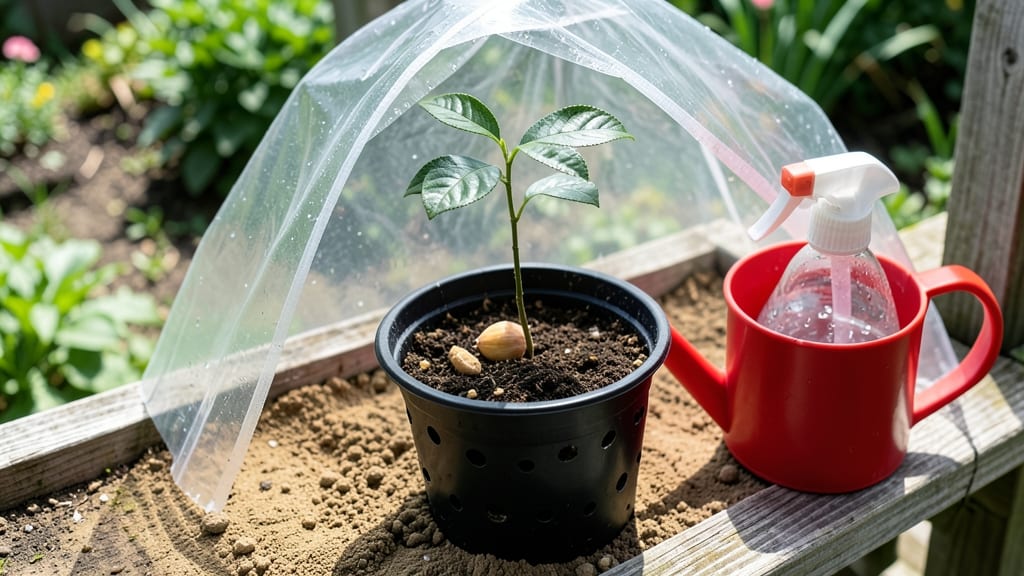
You can grow an orange tree from an orange seed, but the resulting plant will likely produce fruit with unpredictable flavors—often bitter or inedible. Success hinges on seed viability, proper germination conditions, and patience, with sprouting taking 2-6 months and fruiting requiring 5-10 years. Navel and Valencia seeds offer the best chances for home growers.
Growing citrus from seed is a fascinating experiment, but it’s important to manage expectations. 🌱 The seeds you save from store-bought oranges are typically hybrids, meaning the tree won’t produce fruit identical to its parent.
For example, a seed from a Valencia orange might grow into a tree that bears fruit with completely different taste and texture. This is why many gardeners opt for grafted trees instead—they guarantee the variety you want.
Even with these limitations, the process itself is rewarding. Start by selecting fresh, organic oranges—seeds from grocery store fruit often have lower viability. Plant the seeds in well-draining soil and maintain consistent moisture while keeping the environment warm (around 70°F).
Once sprouted, young trees need bright, indirect sunlight to thrive. Patience is key, as these seedlings grow slowly compared to nursery-grown trees.
💡 In This Article
- How Orange Tree Seed Germination Works: Science Behind Sprouting and Growth
- Step-by-Step Guide to Growing an Orange Tree from Seed: Best Practices by Variety
How orange tree seed germination works: science behind sprouting and growth
Orange seeds enter a state called dormancy, where their metabolic activity slows to preserve energy until conditions are ideal for growth. This dormancy is broken when seeds absorb moisture, triggering enzymes to activate and begin breaking down stored nutrients in the seed's endosperm.
The key temperature range for germination is 68-86°F, with optimal growth occurring at 75°F—this is why indoor germination works best in most climates. The seed's outer coat must soften enough to allow the radicle (embryonic root) to emerge, which typically happens within 2-6 weeks under ideal conditions.
Once the radicle breaks through, it grows downward while the hypocotyl (stem) arches upward toward light. This upward growth is driven by a process called phototropism, where the young shoot bends toward light sources to maximize photosynthesis.
The first true leaves appear after about 4-6 weeks, marking the seedling stage. These leaves are smaller and more oval-shaped than mature citrus leaves, with a slightly waxy texture that helps conserve moisture.
The seedling's root system develops a fibrous network that spreads horizontally, anchoring the plant and absorbing nutrients from the soil.
Here's why hybrid seeds (like those from grocery store oranges) rarely produce true-to-type fruit: citrus trees are highly cross-pollinated, and commercial varieties are often grafted onto rootstock. When you grow from seed, you're essentially creating a genetic lottery.
For example, a seed from a sweet Navel orange might grow into a tree producing bitter, seedy fruit completely unlike its parent. This unpredictability is why commercial growers rely on grafting—it guarantees the desired variety while maintaining the rootstock's disease resistance and vigor.
The slow growth rate of seed-grown orange trees—typically 6-12 inches per year—can be frustrating, but it's biologically programmed. Citrus trees prioritize establishing a strong root system before focusing on foliage and fruit production.
This is why seed-grown trees usually take 5-10 years to bear fruit, compared to 2-3 years for grafted nursery trees. The delay occurs because the tree must first develop enough leaves to support photosynthesis and build energy reserves for flowering.
Light plays a crucial role in this process. Seedlings need 6-8 hours of bright, indirect sunlight daily to prevent etiolation (stretching) while avoiding leaf scorch. The chlorophyll in young leaves is particularly sensitive to intense midday sun. In containers, rotate the pot weekly to ensure even growth.
The transition from seedling to mature tree involves several growth spurts triggered by hormonal changes, with the most critical phase occurring during the first 12-18 months when the plant establishes its primary structure.
What most gardeners don't realize is that the first flowers on a seed-grown tree often appear on older wood—branches that are at least 2-3 years old. This is because citrus trees allocate energy toward vegetative growth before reproductive development.
The flowers themselves are small, white, and highly fragrant, with a sweet citrus aroma that's more pronounced in the morning. Each flower has both male and female parts, but successful pollination requires bees or gentle shaking of branches to release pollen.