
Propagation
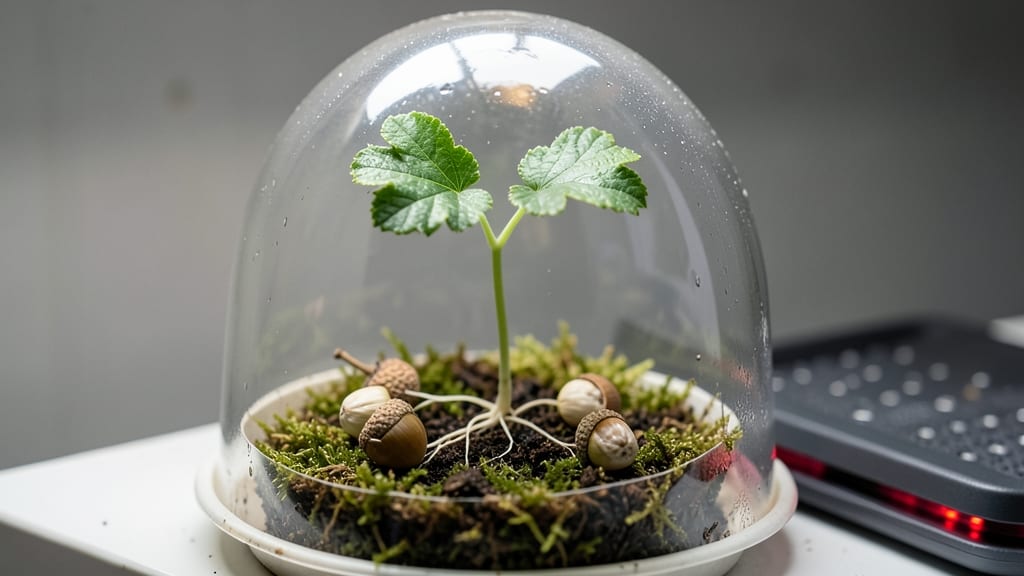
Oak tree seed germination starts with a cold-moist trick that mimics nature’s patience. 🌱 I’ve watched acorns sprout after months of waiting—what seems like an eternity pays off with a sturdy young oak.
The secret lies in replicating the winter conditions these seeds need to break dormancy, but most gardeners rush it and end up with rot instead of roots.
You’ll need just three things: acorns from mature trees, a mix of sphagnum peat moss and perlite (or sand), and a plastic bag to create humidity. The process takes 6-12 months, but the payoff is worth it—strong seedlings that outperform store-bought saplings.
The key is consistency: keep the mix damp (not soggy) and refrigerate it for the first 3-4 months before transferring to a sunny windowsill.
By spring, you’ll see tiny roots pushing through the soil—proof the seeds have finally decided to grow. These seedlings will stay small for years, but with proper care, they’ll reward you with 100-foot giants in your landscape.
The trickiest part? Avoiding mold (ventilate that bag!) and keeping pests away from tender sprouts.
This method works for red, white, or pin oak varieties, though timing varies by region. Start in late summer or fall for best results, and remember: oak trees grow slow but live for centuries. Patience isn’t just a virtue—it’s the foundation of success.
📚 In This Guide
- What you need
- Instructions
- Tips and common mistakes
- Wrapping up and next steps
What you need
- ● Oak acorns: Fresh, mature acorns (preferably from white oak or red oak). Aim for 5–10 seeds to account for variability in germination rates.
- ● Potting soil: A well-draining, sterile mix like cactus/succulent soil or a blend of 50% peat moss, 30% perlite, and 20% sand (1–2 gallons total).
- ● Seed trays or small pots: 4–6 inch diameter containers with drainage holes (one per acorn or shared trays with dividers).
- ● Plastic bags or clear containers: For creating a humid environment (e.g., quart-sized zip-top bags or glass jars with lids).
- ○ Plastic wrap or damp paper towels: To maintain moisture during stratification (optional but helpful for monitoring).
- ● Refrigerator: A standard fridge (34–40°F) for cold stratification (3–4 months).
- ● Grow lights or sunny windowsill: A full-spectrum LED grow light (or natural light for 6+ hours/day) for post-stratification growth.
- ● Spray bottle: For gentle watering (avoid over-saturating soil).
- ● Thermometer/hygrometer: To monitor soil temperature (40–50°F) and humidity during stratification.
- ● Labeling tags: To track acorn varieties and planting dates.
- ● Fungicide (e.g., hydrogen peroxide 3%): A 1:10 dilution to soak acorns for 10–15 minutes and prevent mold.
- ○ Heat mat (optional): For warmer climates to maintain consistent soil temps post-stratification.
- ● Notebook: To log progress, germination dates, and seedling growth.
Step-by-Step instructions for oak tree germination
Here’s how to break oak seeds’ stubborn dormancy using the proven cold-moist stratification trick.
🌱 Step 1: Collect and Prepare Acorns
Gather fresh acorns from mature oak trees in fall—only use plump, undamaged nuts with intact caps. Remove the caps by tapping them gently with a hammer or prying with your fingers. Soak the acorns in lukewarm water for 24 hours to soften the shell slightly, then drain and let them dry completely for 24 hours.
This initial soak primes the seed while preventing rot. If you skip drying, the seeds may mold during stratification. I like to store them in a paper towel-lined container until ready to stratify—this keeps them from sticking together.
💧 Step 2: Stratify Seeds in Moist Media
Fill a sealed plastic bag with 4-6 inches of damp sand or peat moss (keep it moist but not soggy—squeeze a handful and it should barely drip). Add the acorns, spacing them 1 inch apart, then seal the bag. Place it in a refrigerator set to 35-40°F for 90-120 days.
Check the bag monthly—if the media feels dry, mist it lightly with water. The cold period mimics winter conditions, breaking the seed’s dormancy. Real talk: this is the most critical step—skipping it means waiting years for germination.
☀️ Step 3: Plant Stratified Acorns
After stratification, plant the acorns ½ inch deep in a pot filled with well-draining potting mix. Use individual cells or small pots to avoid overcrowding. Keep the soil consistently moist (not wet) by watering when the top inch feels dry. Place the pots in a bright, indirect light location.
Germination can take 4-8 weeks—patience is key. You’ll know it’s working when you see a small white root emerge first, followed by the shoot. If nothing happens after 10 weeks, the seed may not have broken dormancy fully.
⏰ Step 4: Transplant Seedlings
Once seedlings reach 4-6 inches tall and have 2-3 true leaves, transplant them into individual 4-inch pots with fresh potting mix. Harden them off by placing them outside in partial shade for 1-2 hours daily, gradually increasing exposure over 2 weeks.
Oak seedlings grow slowly—don’t rush this process. After hardening, you can plant them outdoors in a permanent location, but wait until spring to avoid frost damage. I’ve found that container-grown oaks establish better than direct-sown seeds.
Tips & tricks for perfect oak tree germination
The cold-moist stratification process is your secret weapon for breaking oak seeds' stubborn dormancy. Here's how to maximize your success without the guesswork.
Selection Tip: When gathering acorns in Step 1, focus on those that are heavy for their size—this indicates a higher fat content and better viability. Discard any with holes, cracks, or signs of insect damage. I've found that acorns from white oak trees (with rounded caps) often germinate more reliably than those from red oaks. Store them in a cool, dry place until you're ready to start the soaking process.
Temperature Matters: The 35-40°F range in Step 2 is non-negotiable for proper stratification. If your refrigerator doesn't maintain this temperature, consider using a dedicated seed stratification fridge or even a garage refrigerator if outdoor temperatures stay consistently cold. I once tried using a standard fridge set to 38°F, but the germination rate was disappointingly low—turns out the compressor cycles warmed it up too much. A dedicated seed fridge with consistent temperature control makes all the difference.
Critical Timing: Those 24 hours of soaking in Step 1 are essential for softening the hard outer shell, but don't exceed this time—longer soaking can lead to mold growth. After draining, the subsequent 24-hour drying period is equally important. I've seen beginners skip this step and end up with moldy seeds during stratification. For best results, place the acorns on a paper towel-lined tray in a single layer and let them air dry completely before moving to the stratification media.
Media Selection: While the instructions mention sand or peat moss, I've had excellent results using a 50/50 mix of sand and perlite. This combination provides better aeration while maintaining moisture. Whatever you choose, avoid using garden soil as it can introduce pathogens. The media should feel like a well-wrung sponge—damp enough to hold moisture but not soaking wet. This moisture level is crucial for successful germination without encouraging mold growth.
Pro Tips for Oak Tree Seed Germination
- The cold-moist stratification process is your secret weapon for breaking oak seeds' stubborn dormancy. Here's how to ...
- Selection Tip: When gathering acorns in Step 1, focus on those that are heavy for their size—this indicates a higher ...
- Temperature Matters: The 35-40°F range in Step 2 is non-negotiable for proper stratification. If your refrigerator do...
Frequently asked questions
How long does oak seed germination take?
Oak seeds are slow to germinate—often taking 3 to 6 months (or even longer!) due to their hard outer shell. The cold-moist stratification trick speeds this up by mimicking natural winter conditions. Patience is key—don’t give up if nothing sprouts in the first few weeks!
Can I skip stratification and plant oak seeds directly?
Not recommended! Oak seeds require stratification to break dormancy. Planting them dry or in warm soil will likely result in 0% germination. If you’re in a hurry, try soaking seeds in warm water for 24 hours first, but cold-moist treatment is far more reliable.
What’s the best container for oak seed germination?
Use a shallow tray, seedling pot, or even a plastic bag with moist paper towels or a mix of peat moss and perlite. Avoid large containers—oak seedlings have delicate roots and need airflow. A clear container lets you monitor moisture levels without disturbing the seeds.
Why aren’t my oak seeds sprouting after stratification?
Check these common issues:
- Seeds are too old—oaks lose viability over time (aim for fresh, plump acorns).
- Not enough moisture—keep the medium constantly damp (not soggy).
- Temperature fluctuations—oaks need 33–41°F (1–5°C) for stratification. A fridge works, but a cold frame outdoors is ideal.
- Fungal growth—if mold appears, toss the batch and sterilize your setup.
How do I transplant oak seedlings once they sprout?
Wait until seedlings have 2–3 true leaves (not just the first seed leaf). Gently pot them into individual containers with well-draining soil (60% sand, 40% peat). Harden them off for a week before moving outdoors—oak seedlings are fragile and hate transplant shock!
Wrapping up and next steps
Growing an oak tree from seed is a rewarding journey that combines patience with the magic of nature! 🌱 By mastering the cold-moist stratification trick, you’ve unlocked the secret to reliable germination—whether you’re a gardening newbie or a seasoned green thumb.
Remember, consistency in moisture, temperature, and light is key, and don’t rush the process; oak seeds take their time to sprout.
Now that you’re armed with knowledge, why not plant those seeds this season? Start small with a few acorns, experiment with different methods, and watch your little oaklings grow into mighty trees. Happy gardening—your future forest awaits! 🌳✨