
Pruning
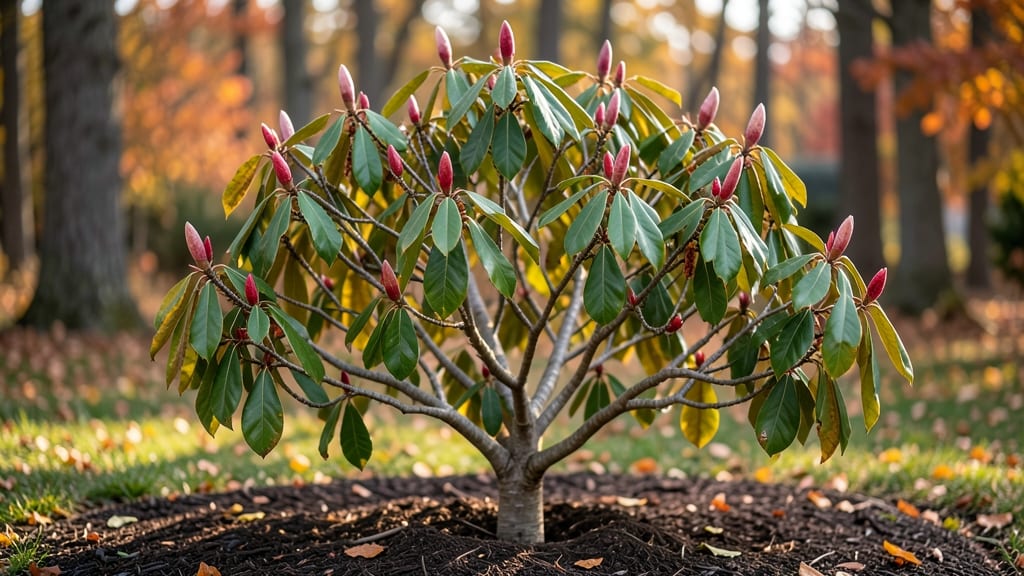
Your magnolia tree’s bold red berries are the star of winter, but pruning them right keeps them thriving year-round. 🌿 I’ve learned the hard way—skipping the right cuts means fewer berries and leggy branches. The secret?
Timing and technique matter more than you’d think, especially for varieties like Southern Magnolia (Magnolia grandiflora). Start with sharp pruners and a sunny morning to avoid stressing the tree. Focus on shaping in late winter or early spring before new growth starts.
Remove dead or crossing branches first, then thin out crowded areas to let light and air reach the center. These berries need sunlight to ripen, so don’t overcrowd the canopy. By summer, you’ll see clusters of glossy red berries that birds adore but won’t strip if you prune correctly.
The key is balance—too much pruning reduces flowering, but too little means weak growth. Think of it like sculpting: less is more for these majestic trees. Works for both evergreen and deciduous magnolias, and the same principles apply whether you’re trimming a young sapling or a mature giant.
Here’s how to get it right without sacrificing those stunning berries.
📚 In This Guide
- What you need
- Instructions
- Tips and common mistakes
- Wrapping up and next steps
What you need
- ● Pruning shears: Bypass pruners (for clean cuts on small branches) – 1 pair (sharp, high-quality, like Felco or Fiskars).
- ● Loppers: Bypass or anvil type (for thicker branches up to 2 inches) – 1 pair.
- ● Pruning saw: Curved-tooth saw (for branches thicker than 2 inches) – 1.
- ● Disinfectant: 70% isopropyl alcohol or diluted bleach solution (to sterilize tools between cuts) – small bottle or spray.
- ● Garden gloves: Heavy-duty, cut-resistant (to protect hands from thorns and rough bark) – 1 pair.
- ● Tarp or drop cloth: (to collect debris and protect the ground) – 1 large sheet.
- ● Twine or zip ties: (for securing branches during pruning) – small roll.
- ● Hand pruners with a ratchet: For extended pruning sessions (reduces hand fatigue).
- ● Pole saw: If your tree is tall and you need to reach higher branches.
- ● Pruning sealant: (like Tanglefoot Tree Wound Pruning Seal) – small tube (only use if sealing cuts larger than ½ inch).
- ● Notebook & pen: To jot down notes on cuts or future pruning plans.
- ● Safety glasses: (to protect eyes from debris).
- ● Choose the right time: Prune after flowering (late spring to early summer) for magnolias to preserve next year’s blooms and berries.
- ● Check the weather: Pick a dry, calm day to avoid spreading disease or making cuts that take longer to heal.
- ● Assess the tree: Identify dead, diseased, or crossing branches before starting.
- ● Gather inspiration: Sketch or research ideal magnolia tree shapes (e.g., open vase or rounded canopy) for reference.
Step-by-step guide to pruning magnolias for vibrant red berries
Here’s how to keep your magnolia’s berries bold and bright while shaping its growth.
✂️ Step 1: Time Your Pruning for Berry Production
Prune your magnolia immediately after flowering—usually in late spring or early summer. This timing ensures you don’t cut off next year’s flower buds, which form on old wood. The red berries develop from these flowers, so protecting them is key. I always wait until all petals have fallen before making any cuts.
If you prune too early, you risk removing flower buds that haven’t yet set. If you wait too long, new growth may have already started, making cuts less effective. The goal is to strike a balance—shape the tree while preserving its fruiting potential.
🌿 Step 2: Remove Dead or Damaged Branches First
Start by inspecting the tree for dead, diseased, or crossing branches. Dead branches are easy to spot—they’re brown, brittle, and often snap when bent. Diseased branches may have black spots, oozing sap, or unusual growths. Cut these out back to the main trunk or a healthy lateral branch using clean, sharp pruners.
Crossing branches (where two limbs grow toward each other) compete for energy and can rub against each other, creating wounds. Remove one of the crossing branches at its point of origin. This step keeps the tree healthy and opens it up for better air circulation, which is especially important if you want those berries to stay vibrant.
☀️ Step 3: Thin Out Overcrowded Areas for Sunlight
Magnolias need sunlight to produce abundant red berries, so thinning the canopy is crucial. Look for branches that grow inward or block light from reaching the center of the tree. These are the ones to remove. Start by cutting back 1/3 of the branch length at a 45-degree angle just above an outward-facing bud.
I like to step back every few cuts to visualize the tree’s shape. The goal is to create an open, airy structure that allows sunlight to penetrate to the inner branches. This encourages more flowering—and thus more berries—next season. Avoid heavy pruning in one area; instead, distribute cuts evenly around the tree.
⏰ Step 4: Shape the Tree for Balance and Beauty
Now it’s time to refine the tree’s form. Focus on maintaining a natural, balanced shape while encouraging upward and outward growth. For larger branches, make cuts just outside the branch collar (the swollen area where the branch meets the trunk). For smaller branches, you can cut back to a bud or lateral branch.
If your magnolia has become too leggy, prioritize cutting back the longest branches to promote bushier growth. You’ll see new shoots emerge from the cuts in the coming weeks—these will help fill out the tree. Remember, magnolias respond well to gradual shaping, so avoid removing more than 25% of the tree’s foliage in one season.
🪴 Step 5: Clean Up and Monitor for New Growth
After pruning, collect and dispose of all cuttings to prevent disease from spreading. Sterilize your pruners with rubbing alcohol between cuts if you’re working with multiple trees. Once you’re done, give the tree a light watering to help it recover, especially if the weather is dry.
Over the next few weeks, watch for new growth from the pruned areas. This is a sign the tree is healing well. If you notice any signs of stress—like wilting leaves or brown spots—adjust your watering or provide some shade until the tree stabilizes. With proper care, your magnolia will reward you with even more stunning red berries next season.
Tips & tricks for pruning magnolias for vibrant red berries
These simple but game-changing tips will help you prune your magnolia like a pro—ensuring those stunning red berries stay healthy and abundant.
Timing is Everything: The late spring to early summer window is critical because that's when flower buds for next year's berries form. I can't stress enough how important it is to wait until all petals have completely fallen before making any cuts. This ensures you're not accidentally removing next year's potential berry producers. If you're unsure whether petals have fully dropped, gently shake a branch—if petals fall easily, it's time to prune.
Tool Preparation Matters: Before you start, make sure your pruners are clean and sharp. I sterilize mine with rubbing alcohol between cuts, especially when working with multiple trees. Dull blades tear bark and create jagged wounds that take longer to heal. For larger branches, use loppers or a pruning saw—never try to force small pruners through thick branches. This prevents damage to both the branch and your hands.
Visualize the Final Shape: Step back every few cuts to visualize how your magnolia will look when finished. This is where the magic happens—the open, airy structure you create will allow sunlight to reach all parts of the tree, which is essential for berry production. Think of it like sculpting: you're removing material to reveal the tree's natural beauty while encouraging future growth. If you're unsure about a cut, wait and reassess after removing a few branches.
Post-Pruning Care: After you've finished pruning, don't just walk away. Give your magnolia a light watering to help it recover, especially if you've done significant pruning. I like to monitor the tree for the first few weeks, watching for new growth from the pruned areas. This is a good sign the tree is healing well. If you notice any signs of stress like wilting leaves or brown spots, provide some afternoon shade until the tree stabilizes.
Pro Tips for Magnolia Tree Red Berries
- These simple but game-changing tips will help you prune your magnolia like a pro—ensuring those stunning red berries stay healthy and abundant.
- Timing is Everything: The late spring to early summer window is critical because that's when flower buds for next year's berries form.
- Tool Preparation Matters: Before you start, make sure your pruners are clean and sharp.
Frequently asked questions
about pruning magnolia trees with red berries—because even pros need clarity!When is the best time to prune a magnolia tree with red berries?
The ideal window is late winter to early spring (before buds swell), or right after flowering. Avoid pruning in fall—it can stimulate tender new growth that may frost damage. For red berry-producing varieties (like Magnolia grandiflora), timing ensures you don’t cut off next year’s berries or flowers!
Can I prune magnolia berries off my tree without harming it?
Pruning berries is safe and can even encourage healthier growth. Use clean, sharp shears to trim clusters after they’ve dried (late fall/winter). Just avoid over-pruning—remove no more than 25% of the canopy in one season. Pro tip: Wear gloves—those berries stain!
Will pruning affect my magnolia’s red berries next year?
Pruning correctly won’t stop berries—it’s all about timing and technique. Focus on removing dead, diseased, or crossing branches (not flower/berry-bearing stems). If you prune too late (after buds form), you might reduce next year’s berries. For Magnolia stellata (star magnolia), prune right after flowering to preserve berries.
Are magnolia berries toxic to birds or pets?
While unripe magnolia berries are toxic (containing cyanogenic glycosides), ripe red berries are safe and nutritious for birds and wildlife. Pets like dogs should avoid them in large quantities, but occasional exposure is usually fine. If you’re worried, supervise outdoor access until berries fully ripen (late fall).
What if my magnolia tree isn’t producing red berries?
Several factors could be at play:
- Wrong variety: Not all magnolias produce berries (e.g., Magnolia soulangeana focuses on flowers). Check your tree’s species!
- Improper pruning: Over-pruning or timing cuts during bloom/berry development can reduce fruit.
- Pollination issues: Some magnolias need cross-pollination. Plant a second tree nearby if yours is self-sterile.
- Environmental stress: Drought, poor soil, or pests (like scale insects) can hinder berry production.
Try fertilizing with acidic soil amendments (like pine bark) and ensuring full sun (6+ hours/day).
Wrapping up and next steps
Your magnolia tree’s vibrant red berries are a stunning focal point—and with the right pruning techniques, you can keep it thriving year-round! 🌿 Whether you’re shaping for aesthetics, health, or encouraging more blooms, remember to prune at the right time, use clean tools, and never overdo it.
A little effort now means lush foliage and those eye-catching berries for seasons to come.
Ready to transform your landscape? Grab your pruners, mark your calendar for late winter/early spring, and get started! Need a refresher? Revisit our FAQs or dive into seasonal care tips to keep your magnolia flawless.