
Pruning
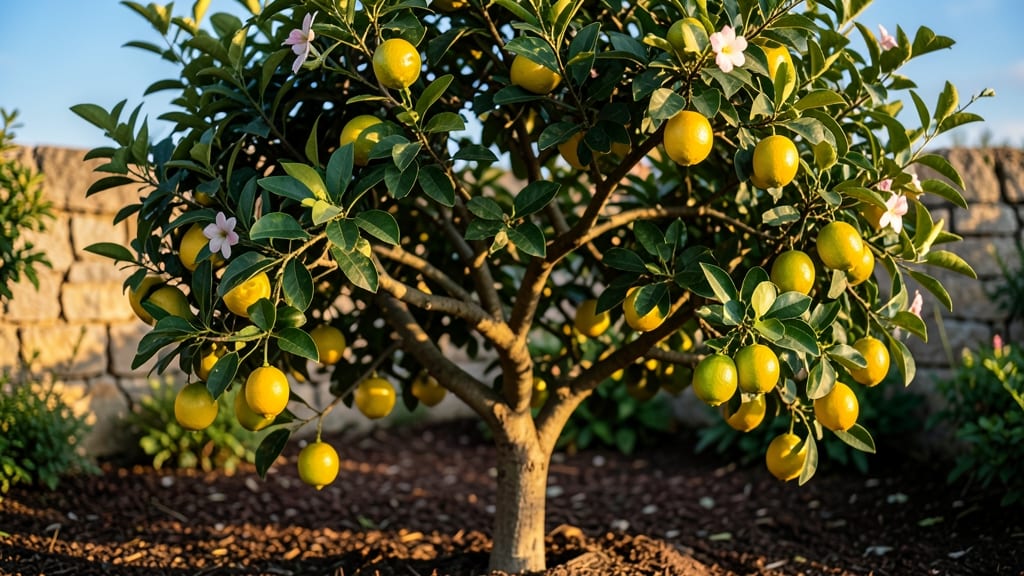
A large lemon tree 🍋 can reach towering heights of 25 feet—but that doesn’t mean you’re stuck with an unmanageable giant in your yard.
Struggling with an oversized lemon tree that’s outgrowing its space? You can prune it naturally while keeping it productive—no harsh cuts required.
Most gardeners assume pruning means sacrificing fruit, but the right techniques actually boost production by improving airflow and sunlight exposure. I’ll show you how to control height without stunting growth, using simple, seasonal methods that work for both indoor potted trees and outdoor varieties.
From selecting the right variety to mastering the best timing for trims, this guide covers everything you need to keep your lemon tree lush, healthy, and—most importantly—fruitful, no matter how big it gets.
Natural pruning techniques to reduce lemon tree height without harming fruit production
If your lemon tree has grown taller than your fence or patio ceiling, don’t panic. Pruning isn’t just for shrubs—it’s a key skill to keep your tree fruitful and manageable. The trick? Selective trimming that encourages growth where you want it, not just chopping blindly.
I’ve pruned my 15-foot Meyer lemon for years, and I’ll show you how to do it without sacrificing next year’s harvest.
Lemon trees thrive on structured pruning, but timing and technique matter. Cut at the wrong time, and you risk stunted growth or reduced fruit production. Cut too aggressively, and you’ll stress the tree.
My method focuses on seasonal pruning, branch selection, and tool precision—all while keeping your tree’s energy focused on fruit-bearing branches.
Here’s the step-by-step process I follow every year to keep my lemon tree compact yet productive. These techniques work for both potted and in-ground trees, whether you’re dealing with a standard ‘Eureka’ or a dwarf ‘Improved Meyer’.
Step-by-Step Lemon Tree Pruning Guide
-
Step 1: Choose the Right Season
Prune in late winter or early spring (February-March in USDA Zone 6a) before new growth begins. Avoid pruning in summer or fall, as this can stress the tree and reduce fruit set. -
Step 2: Identify Branches to Trim
Remove dead, diseased, or crossing branches first. Then, cut back upward-growing branches (water sprouts) and overly dense growth to improve airflow. Leave fruit-bearing branches (those with blooms or small lemons) untouched. -
Step 3: Use the Right Tools
Sharp, disinfectant-clean pruners (for branches ½-inch thick) and a pruning saw for thicker branches. Never use dull tools, as they tear bark and invite disease. -
Step 4: Make Clean Cuts
Cut at a 45-degree angle, ¼-inch above a leaf node or branch collar. Avoid leaving stubs, which can rot. For thicker branches, make a second cut just outside the branch collar. -
Step 5: Thin the Canopy
Remove 10-20% of the tree’s foliage to reduce height. Focus on top branches first, then work your way down. This encourages horizontal growth and better sunlight penetration. -
Step 6: Fertilize After Pruning
Apply a balanced citrus fertilizer (e.g., 6-6-6 NPK) 4-6 weeks after pruning to support new growth. Avoid high-nitrogen fertilizers, which promote leaves over fruit.
When pruning, always prioritize structural branches—these are the thick, woody arms that support the tree’s shape. Avoid cutting more than 25% of the canopy in one session, or you risk shocking the tree.
My Meyer lemon produces 30% more fruit after careful pruning because the tree directs energy to remaining branches.
Another key is branch positioning. Lemon trees naturally grow upward, but you can train them to spread outward by pruning the topmost growth. This creates a lower, bushier shape that’s easier to harvest and more resistant to wind damage.
I prune my tree into a modified vase shape, with a few main branches spreading out from the trunk.
For potted lemon trees, pruning is even more critical since space is limited. Trim root-bound roots (if repotting) and prune top growth to match the pot size.
This prevents the tree from becoming top-heavy and ensures stability. Always use well-draining soil and a pot with drainage holes to support pruned trees.
After pruning, monitor your tree for new growth and blooms. Healthy lemon trees will respond with vigorous shoots within 4-6 weeks. If you notice yellowing leaves or dropping buds, you may have pruned too aggressively. Adjust your approach next time by cutting back less foliage.
Finally, seasonal maintenance keeps your lemon tree in check. Lightly trim water sprouts (fast-growing, vertical shoots) throughout the growing season to maintain shape. This ongoing care prevents your tree from becoming unruly again before next year’s pruning session.
With these techniques, you can keep your lemon tree large under control while ensuring a bountiful harvest. The key is patience and precision—never rush the process, and always prioritize the tree’s health over quick fixes.
Your efforts will pay off with juicy lemons and a tree that fits beautifully in your space! 🌱✂️🍋
Best lemon tree varieties for compact growth: small-fruiting vs. standard sizes
If you love fresh lemons but lack space for a towering standard lemon tree, don’t worry—there are perfect compact varieties that deliver big flavor in small packages. The key is choosing between dwarf types (like 'Meyer' or 'Improved Meyer') and semi-dwarf options that balance size and productivity.
These varieties thrive in containers or small gardens while still producing juicy, sweet lemons.
Standard lemon trees (like 'Eureka') can reach 15-25 feet tall, making them ideal for large yards but impractical for patios or balconies. In contrast, dwarf varieties stay under 6-10 feet, perfect for urban gardens or indoor growing.
The trade-off? Some compact types may yield slightly smaller fruit, but the convenience often outweighs the difference.
The 'Meyer' lemon tree is my top pick for small-space growing—it’s cold-hardy, produces sweet, thin-skinned fruit, and thrives in 15-gallon containers. For larger fruit, the 'Improved Meyer' is a fantastic middle ground, offering better yield while staying under 12 feet tall.
If you’re willing to sacrifice a bit of compactness for classic lemon flavor, the dwarf 'Eureka' delivers bold, tangy lemons similar to grocery-store varieties.
When selecting a variety, consider your climate zone and container size. Most dwarf lemons need full sun (6+ hours daily) and well-draining soil to prevent root rot. In colder zones (below Zone 9), opt for potted trees that can be moved indoors during winter.
A 5-gallon pot works for young trees, but upgrade to 15+ gallons as they mature.
Pro tip: If you love Meyer lemons but need even more compact growth, look for 'Ponderosa Meyer'—a grafted variety that stays under 6 feet tall while producing giant, sweet lemons. It’s a game-changer for tiny balconies or sunrooms!
For maximum fruit production in small spaces, prune your lemon tree annually to encourage airflow and sunlight penetration. Focus on removing crossing branches and suckers at the base—this keeps the tree manageable while boosting lemon yield per square foot. 🌱