
Pruning
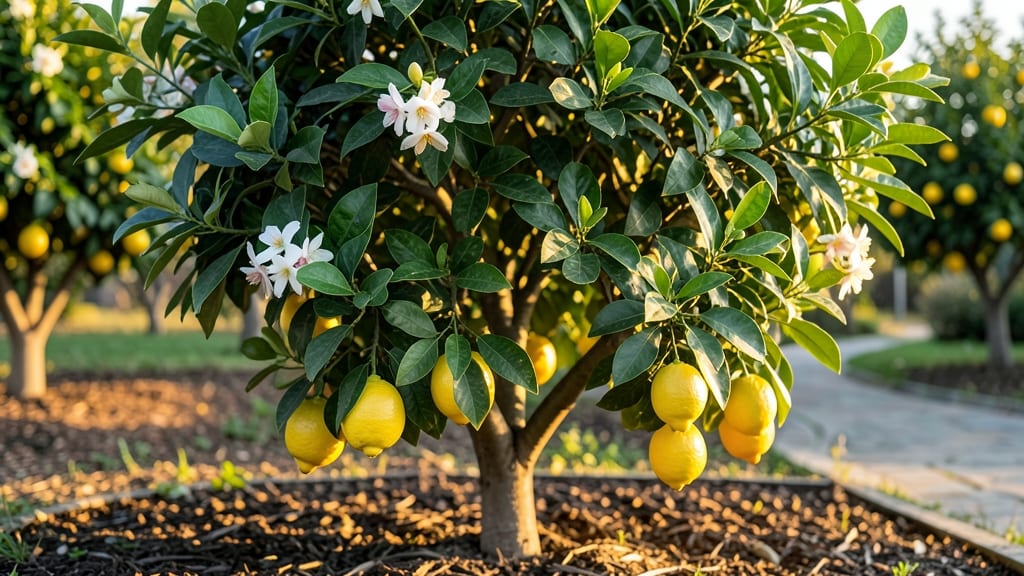
Growing a lemon tree at home means waking up to the scent of citrus every morning. 🌿 I've nurtured mine through four winters, and the secret isn't complicated—it's about light, warmth, and a little patience.
Most people assume citrus needs a greenhouse, but with the right container and care, you can grow a productive tree right on your kitchen counter or balcony.
The perfect lemon tree thrives in bright light for at least 6-8 hours daily, warm temperatures above 60°F, and slightly acidic soil. I use a 15-20 gallon pot with drainage holes and repot every 2-3 years.
Watering is key: keep soil moist but never soggy—overwatering is the #1 killer of container citrus. A humidity tray underneath helps mimic its Mediterranean roots.
Pruning in late winter keeps your tree compact and encourages more fruit. Harvest lemons when they're still slightly green—they'll ripen off the tree. My first tree gave me 20+ lemons in its third year, and the taste is nothing like store-bought.
The real magic happens when you watch those tiny flowers turn into fruit over months.
Even in small spaces, you can grow a productive lemon tree with these basics. The only challenge is winter—bring it indoors near a sunny window if temperatures dip below 50°F. With consistent care, you'll be making fresh lemonade from your own tree in no time.
📚 In This Guide
- What you need
- Instructions
- Tips and common mistakes
- Wrapping up and next steps
What you need
- ● Lemon Tree: A healthy Citrus limon sapling (dwarf or standard, depending on space). Choose a grafted variety for better fruit production.
- ● Pot: 1–2 large containers (15–20 gallons for dwarf, 25+ gallons for standard) with drainage holes. Terracotta or fabric pots are ideal.
- ● Soil: 1 bag (1–2 cubic feet) of well-draining citrus potting mix (or a blend of 50% potting soil + 50% perlite/sand).
- ● Fertilizer: 1 bottle of balanced citrus fertilizer (e.g., 6-6-6 or 8-3-9 NPK ratio).
- ○ Optional: Slow-release granules for convenience.
- ● Pruning Tools: 1 pair of sterilized pruning shears (sharp, bypass-style).
- ● 1 small hand saw (for thicker branches).
- ● 1 rubbing alcohol (70% or higher) + cotton swabs (for sterilization).
- ● Watering Supplies: A watering can with a long spout (or a hose with a gentle spray nozzle).
- ○ 1 moisture meter (optional but helpful for tracking soil hydration).
- ● 1 humidity tray or pebble tray (to boost humidity in dry climates).
- ● 1 grow light (LED or fluorescent, 12–16 hours/day if indoors with low light).
- ● 1 pH testing kit (to monitor soil acidity, ideal range: 6.0–7.0).
- ● 1 tree support stake (if your lemon tree grows tall and needs stability).
- ● 1 spray bottle (for misting leaves and preventing pests).
Step-by-step instructions for growing a lemon tree indoors
Here's how to nurture a thriving lemon tree in containers—year-round—with minimal fuss.
🪴 Step 1: Choose the Right Container and Drainage
Start with a 5-gallon pot or larger (at least 12 inches deep) for your lemon tree. The container must have multiple drainage holes—citrus roots rot quickly in soggy soil. I like to add a 2-inch layer of gravel or broken pottery at the bottom before filling with soil. This creates an air pocket that prevents waterlogging while still allowing excess moisture to escape.
If your pot lacks drainage, drill holes yourself—just don’t go overboard. Three or four ¼-inch holes spaced evenly around the base are perfect. Place the pot on a saucer or tray to catch runoff, but empty it after watering to avoid root suffocation from standing water.
🌱 Step 2: Plant in Well-Draining Citrus Soil Mix
Fill the pot with a premium citrus potting mix—never regular garden soil. I blend 60% potting soil, 20% perlite, and 20% coarse sand for the perfect balance of drainage and moisture retention. This mix mimics the Mediterranean climate lemons love, preventing root rot while keeping roots hydrated.
Dig a hole in the center of the pot twice as wide as the root ball of your young lemon tree. Gently remove the tree from its nursery pot and loosen the roots if they’re tightly bound. Place it in the hole, ensuring the top of the root ball sits just below the pot’s rim. Fill the gaps with your soil mix, pressing lightly to eliminate air pockets but not compacting too tightly.
☀️ Step 3: Position for Bright, Indirect Light
Lemon trees crave 6-8 hours of bright, indirect sunlight daily. A south- or west-facing window works best, but avoid harsh afternoon sun, which can scorch leaves. If your space lacks natural light, supplement with a full-spectrum LED grow light placed 12-18 inches above the tree. Keep the light on for 12-14 hours daily to mimic long summer days.
Rotate the pot a quarter turn weekly so the tree grows evenly. You’ll notice leaves leaning toward the light? That’s your cue to move the pot or adjust the grow light. Yellowing leaves or leggy growth mean it’s not getting enough light—time to upgrade your setup.
💧 Step 4: Water Deeply and Maintain Humidity
Water your lemon tree once a week (or when the top 2 inches of soil feel dry). Stick your finger in the soil—if it’s damp, wait another day. Overwatering is the #1 killer of container-grown citrus. When you water, soak the soil thoroughly until water drains from the bottom holes. Empty the saucer afterward to prevent root rot.
Humidity is key for citrus trees. Place the pot on a pebble tray filled with water (ensure the pot isn’t sitting in water) or use a small humidifier nearby. Mist the leaves 2-3 times a week, but avoid wetting the foliage if your home is cool—this can invite fungal issues. You’ll know humidity is right when new leaves stay bright green and crisp, not drooping or yellowing.
✂️ Step 5: Prune and Fertilize for Year-Round Growth
Prune your lemon tree once a year in early spring to shape it and encourage fruit production. Use clean, sharp pruning shears to trim back any leggy growth or crowded branches. Cut just above a leaf node (the bump where leaves grow) at a 45-degree angle. This encourages bushier growth and better airflow, reducing disease risk.
Feed your tree every 4-6 weeks in spring and summer with a balanced citrus fertilizer (look for one with equal parts nitrogen, phosphorus, and potassium). Dilute it to half-strength to avoid burning roots. In fall and winter, cut back to once every 8 weeks—citrus trees rest during cooler months and don’t need as much nourishment. You’ll see the difference: vibrant new growth in spring and plentiful blossoms leading to lemons!
Tips & tricks for perfect container-grown lemon trees
Here's what nobody tells you about keeping your citrus thriving indoors—these tricks make all the difference.
Container Upgrade: If you're using a decorative pot without drainage, consider nesting it inside a functional grow pot with holes. This keeps your aesthetic while protecting roots. I've used terracotta cache pots over plastic grow pots with great success—just remember to water through the grow pot's holes, not the decorative outer one.
Lighting Reality Check: That south-facing window might not be enough if it's shaded by trees or buildings. Test your light by holding a piece of paper near the tree—if you can't read it easily, you need more light. For 12-14 hours daily of artificial light, I recommend a full-spectrum LED bulb rather than a basic grow light—they mimic sunlight more accurately and won't turn your leaves purple.
Soil Mix Secret: The 60-20-20 blend of potting soil, perlite, and sand works wonders, but here's the pro move: add 1 tablespoon of Epsom salt per gallon of mix when repotting. The magnesium helps prevent yellow leaves (a common citrus deficiency) and gives your tree an energy boost. Just don't overdo it—once a year is plenty.
Watering Wisdom: That once-a-week guideline assumes average humidity. In dry winter air, you might need to water every 5-6 days. The key is the top 2 inches of soil test—stick your finger in and feel for moisture. Pro tip: Use room-temperature water (not cold straight from the tap) to avoid shocking the roots, especially in winter when they're more sensitive.
Pro Tips for Lemon Tree At Home
- Here's what nobody tells you about keeping your citrus thriving indoors—these tricks make all the difference.
- Container Upgrade: If you're using a decorative pot without drainage, consider nesting it inside a functional grow pot with holes.
- Lighting Reality Check: That south-facing window might not be enough if it's shaded by trees or buildings.
Frequently asked questions
Got questions about growing a lemon tree at home?
Here are the answers to the most common concerns—from pruning to troubleshooting—so you can enjoy fresh lemons year-round without the guesswork.
How often should I prune my lemon tree, and when is the best time?
Prune your lemon tree 2-3 times a year: lightly after harvest (to shape), in late winter/early spring (before new growth), and after flowering (to encourage fruiting). Avoid heavy pruning in fall—it can stress the tree. Focus on removing dead wood, crossing branches, and thinning dense areas for airflow.
Why isn’t my lemon tree producing fruit, even after years of care?
Lemon trees need 3 key things to fruit: sunlight (6+ hours daily), proper pollination (hand-pollinate with a brush if indoors), and balanced care (avoid over-fertilizing with nitrogen—use citrus-specific fertilizer with lower N, higher P/K). If it’s young (<3 years), be patient! Also, check for pests or nutrient deficiencies (yellow leaves = iron deficiency).
Can I grow a lemon tree indoors year-round, or do I need an outdoor space?
Yes! Lemon trees thrive indoors with bright, indirect light (south-facing window or grow lights). Use a large container (15+ gallons) with drainage, and rotate the pot monthly for even growth. In winter, keep temps between 55–65°F—avoid drafts or heating vents. For outdoor growing, move it outside in spring/summer (protect from frost) and bring it back indoors before temps drop below 40°F.
What are the most common pests for lemon trees, and how do I treat them?
Watch for spider mites, aphids, and scale insects—they thrive in dry conditions. Prevent them with weekly misting and neem oil sprays. For infestations:
- Spider mites: Wipe leaves with soapy water; introduce predatory mites.
- Aphids: Blast off with water; use insecticidal soap.
- Scale: Scrape off with a soft brush; treat with horticultural oil.
How do I know if my lemon tree is getting too much or too little water?
Check the soil 1–2 inches deep—it should be slightly dry (not soggy). Overwatering signs: Yellow leaves, root rot (black/mushy roots), or wilting despite wet soil. Underwatering signs: Dry, crispy leaf edges or drooping. Water when the topsoil feels dry, and ensure the pot has drainage holes. Mulch helps retain moisture without over-saturating.
Wrapping up and next steps
Growing a lemon tree at home isn’t just about the joy of fresh, homegrown lemons—it’s a rewarding journey of care, patience, and citrusy success! 🌿 With the right pruning techniques, container setup, and seasonal adjustments, your tree can thrive year-round, gifting you with vibrant blooms and tangy fruit.
Whether you’re a green thumb or a beginner, this guide has given you the tools to nurture your tree’s health and productivity.
Now that you’re armed with knowledge, take the next step: grab your pruning shears, inspect your tree, and give it the love it deserves! Start small—trim those leggy branches, shape its growth, and watch your lemon tree flourish. Your future harvest awaits! 🍋✨