
Pruning
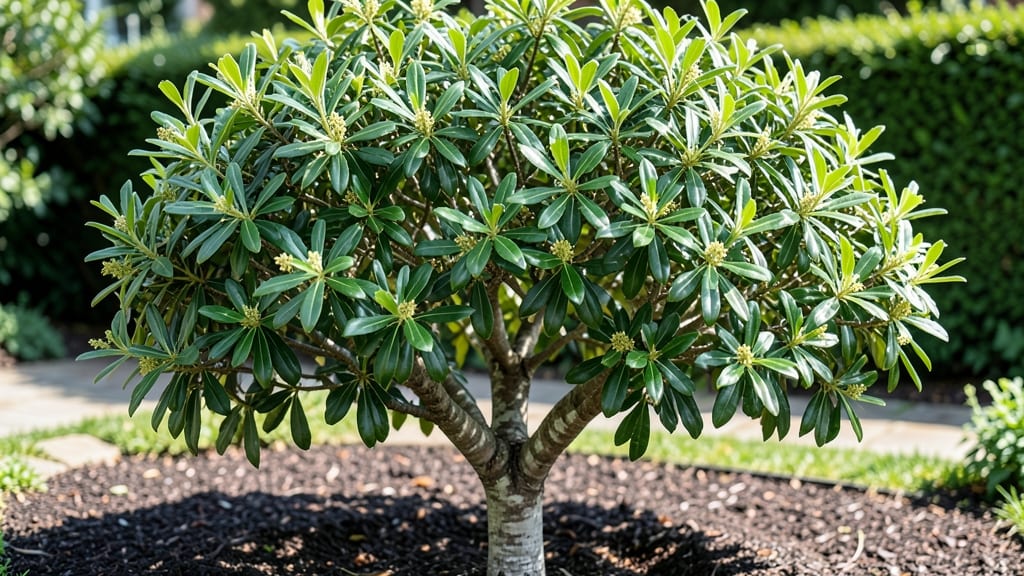
Laurel tree care transforms a wild shrub into a structured showpiece—and the difference starts with understanding its growth habits. 🌿 I’ve pruned mine for years, and the secret isn’t just cutting branches: it’s knowing when and why to shape it. Cherry laurels and bay laurels respond differently, so I’ll break down the exact techniques that keep them lush without stressing the plant. The key is timing: prune late winter or early spring before new growth kicks in, and avoid heavy cuts in fall. You’ll need sharp pruners, gloves (those thorns will draw blood), and a clear goal—whether it’s encouraging bushier growth or maintaining a tidy hedge. One wrong snip can leave ugly scars, so I’ll show you how to cut just above a leaf node for clean, healthy regrowth. By summer, your laurel will reward you with dense, glossy foliage and even fragrant blooms (if it’s a flowering variety). The pruning you do now determines how it handles drought, pests, and winter winds later. Think of it as shaping a living sculpture—every cut matters. Works for both ornamental laurels in landscapes and culinary bay trees in kitchen gardens. Let’s get those shears ready!
📚 In This Guide
- What you need
- Instructions
- Tips and common mistakes
- Wrapping up and next steps
What you need
- ● Pruning shears or secateurs: Sharp, bypass-style shears (4-6 inch blades) for clean cuts on small branches.
- ● Loppers: For medium branches (8-12 inch blades), extendable handles for reach.
- ● Pruning saw: Curved-tooth saw for thick branches (20+ inches in diameter).
- ● Gloves: Heavy-duty, cut-resistant gloves (gardening or pruning-specific).
- ● Disinfectant (70% isopropyl alcohol or bleach solution): 1 part bleach to 9 parts water to sterilize tools between cuts.
- ● Rake or broom: For clearing fallen leaves/debris post-pruning.
- ● Ladder or step stool: Sturdy, non-slip, and tall enough to reach the tree’s canopy safely.
- ○ Pruning sealant (optional but helpful): For sealing large cuts (e.g., tree wound pruning paste).
- ● Safety goggles: Protects eyes from debris or sap splatters.
- ● Work boots or closed-toe shoes: For stability and foot protection.
- ● Tree pruning rope: For lowering heavy branches to the ground.
- ● Notebook & pen: To jot down pruning notes or sketch your tree’s structure.
- ● Hose or water spray bottle: For rinsing tools or cooling down hot cuts.
Instructions for year-round laurel tree care
Here's how I maintain healthy, vibrant laurel trees through seasonal adjustments and precise pruning.
✂️ Step 1: Assess the Tree's Structure in Early Spring
Start by examining your laurel tree in early spring—just as new growth begins—when you can clearly see the branches against the sky. Look for dead, crossing, or overcrowded branches that disrupt airflow. I always use a sharp pair of pruning shears to make clean cuts at a 45-degree angle, about ¼ inch above a bud or lateral branch. This prevents water from pooling and causing rot.
Remove any branches that rub against each other or grow inward—they’ll eventually damage the bark and create entry points for pests. Thin out 20-30% of the canopy to improve light penetration and air circulation. Laurel trees respond well to gradual thinning, so avoid removing more than 10% of the foliage in a single session to prevent shock.
☀️ Step 2: Prune for Shape and Light Exposure in Late Spring
By late spring, your laurel tree will have filled out its new growth. This is the time to refine its shape and ensure uniform light exposure across the canopy. Focus on selective pruning—cut back branches that are growing too long or leggy to encourage bushier growth. Always cut just above a leaf node or outward-facing bud to promote healthy new shoots.
If your laurel tree is planted near a fence or wall, prune the sides more heavily to prevent it from becoming one-sided. Use hand pruners for smaller branches and loppers for thicker stems up to 1.5 inches in diameter. Avoid heavy pruning on young trees—wait until they’ve established a strong framework before making bold cuts.
🌿 Step 3: Maintain Health Through Summer with Light Trimming
During summer, laurel trees typically don’t need heavy pruning, but you should remove any dead, diseased, or damaged branches as soon as you spot them. This prevents the spread of pests or fungal infections. I also check for suckers—those unwanted shoots sprouting at the base—and remove them at the soil line to redirect the tree’s energy into stronger growth.
If your laurel tree looks overgrown, lightly trim the tips of the longest branches to encourage denser foliage. Avoid pruning after mid-summer, as new growth won’t have time to harden off before fall. Water deeply after pruning to help the tree recover, especially if you’ve removed a significant portion of the canopy.
⏰ Step 4: Prepare for Winter with Minimal Pruning
In fall, limit pruning to removing only dead or diseased branches—laurel trees enter dormancy, and heavy pruning can stress them before winter. Focus on cleaning up the canopy by trimming back any branches that grew too vigorously in summer. Use sterilized tools to prevent spreading pathogens, and dispose of any infected branches away from the tree.
If your laurel tree has thick, woody growth, consider renewal pruning—cutting back ⅓ of the oldest branches to the ground to stimulate new, vigorous growth. This works best on mature trees and should only be done every 3-5 years. After pruning, apply a layer of mulch around the base (but not touching the trunk) to insulate the roots during winter.
Tips & tricks for strategic laurel tree trimming
A few well-timed techniques will transform your laurel tree from merely surviving to thriving. Here's what I've learned after years of trial and error.
Seasonal Timing is Everything: The 20-30% thinning recommendation in Step 1 should happen precisely when new growth appears in early spring—this is when the tree's energy is focused on recovery after winter. I've seen trees stressed when pruned too early (before growth) or too late (after buds set). For late spring shaping in Step 2, wait until you can see fully formed leaves—this ensures you're cutting mature growth rather than tender new shoots that might not heal properly.
Cutting Technique Matters More Than You Think: That 45-degree angle in Step 1 isn't just aesthetic—it's about directing water away from the cut. I've ruined several cuts by making flat cuts that collected rainwater, leading to rot. Always make clean cuts just above a bud that faces outward. For thicker branches in Step 2, use the three-cut method: undercut first, then top cut, and finally remove the branch cleanly. This prevents bark tearing that invites pests.
Summer Pruning Secrets: The light trimming in Step 3 should focus on removing only what's absolutely necessary—every cut removes the tree's food-making capacity. I've noticed that laurel trees handle summer pruning best when done on cloudy days (reduces stress from sun exposure) and always with sterilized tools. For sucker removal, use a sharp knife at the base—don't pull them, as this can damage the root system.
Winter Preparation Strategy: That renewal pruning in Step 4 is a game-changer for mature trees, but timing is critical. I've found that doing this in early fall (before first frost) gives new growth time to harden off before winter. The mulch layer should be 2-3 inches thick—any thicker can suffocate roots, and too thin won't provide proper insulation. Always keep mulch away from the trunk to prevent rot.
Pro Tips for Laurel Tree Care
- A few well-timed techniques will transform your laurel tree from merely surviving to thriving. Here's what I've learn...
- Seasonal Timing is Everything: The 20-30% thinning recommendation in Step 1 should happen precisely when new growth a...
- Cutting Technique Matters More Than You Think: That 45-degree angle in Step 1 isn't just aesthetic—it's about directi...
Frequently asked questions
Got questions about keeping your laurel tree thriving? Here are some of the most common concerns—and their straightforward solutions!
When is the best time to prune a laurel tree?
The ideal time to prune is late winter or early spring (before new growth starts). This helps avoid stressing the tree during dormancy or exposing it to pests. For light shaping, you can prune lightly in summer—but avoid heavy cuts, which can invite disease.
How do I know if I’m pruning too much?
If you see excessive leaf drop, stunted growth, or bare branches after pruning, you’ve likely removed too much. A good rule: Never trim more than 25% of the tree’s foliage in one session. Laurel trees are resilient, but over-pruning weakens their structure.
Why are my laurel leaves turning brown or yellow?
Brown/yellow leaves often signal overwatering, underwatering, or pests (like spider mites or scale). Check soil moisture—it should stay evenly damp but not soggy. Inspect the undersides of leaves for pests and treat with neem oil if needed.
Can I shape my laurel tree like a hedge?
Laurel trees respond well to formal hedging with regular trims. Use sharp shears to cut just above a leaf node, and maintain a rounded top for airflow. For dense growth, trim every 4-6 weeks during the growing season.
Do laurel trees need winter protection?
In cold climates (below 10°F), wrap the trunk with burlap or use frost cloth to shield young trees. Mature laurels are hardier but may benefit from a 3-inch mulch layer to insulate roots. Avoid heavy snow buildup—gently brush it off to prevent branch damage.
Wrapping up and next steps
Caring for your laurel tree doesn’t have to be overwhelming—just a little strategy and consistency go a long way! 🌿 By mastering seasonal trimming, you’ll ensure lush foliage, vibrant blooms, and a thriving tree year after year.
Whether you’re pruning for shape, health, or growth, remember: patience and precision are your best tools.
Ready to give your laurel tree the love it deserves? Grab your tools, schedule that next trim, and watch it flourish! 🌱 For more tips, check out our pruning guide or connect with local arborists to keep your tree in top shape.