
Pruning
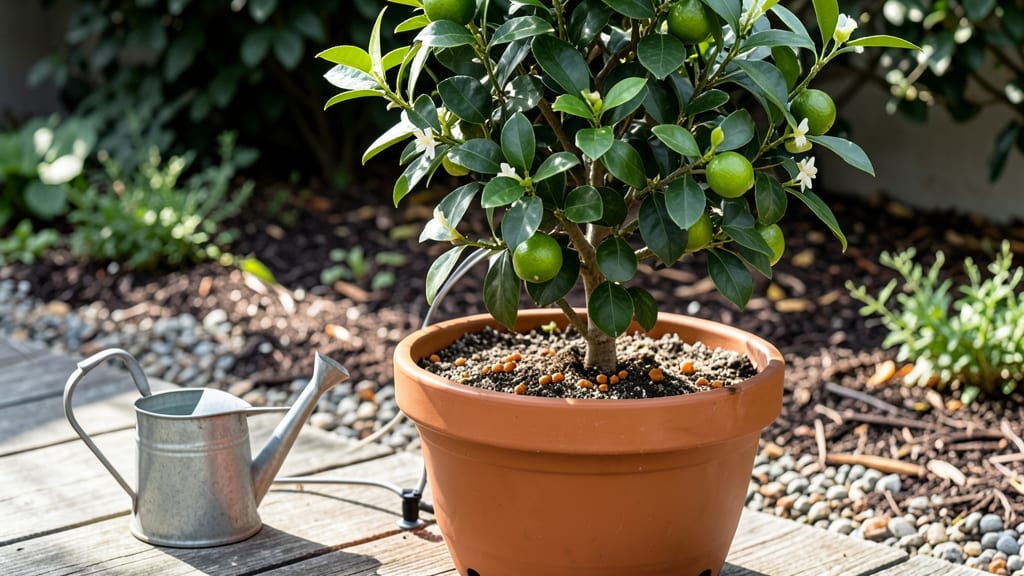
Growing a key lime tree in a pot means fresh, tangy fruit right on your balcony or patio. 🍋 I've nurtured mine through three winters now, and the secret isn't complicated—it's about matching the plant's tropical needs to your space.
The right container starts everything: a 15-20 gallon pot with drainage holes keeps roots happy for years. Use a well-draining citrus mix (equal parts potting soil, perlite, and compost) and place it where it gets 6-8 hours of sunlight daily.
Overwatering is the #1 killer, so let the top inch dry between waterings—your tree will thank you with glossy leaves and eventual fruit. By summer, you'll see those signature bright green leaves and maybe even a few small limes.
Prune leggy growth in spring to encourage bushier shape, and fertilize monthly with citrus-specific food during growing season. The first harvest might take 2-3 years, but the wait is worth it for that first burst of zesty flavor. Cold snaps?
Move your pot indoors near a sunny window or wrap it in frost cloth. Yellow leaves? Check your watering or light. With these basics, you'll have a thriving key lime tree that keeps giving—even in small spaces.
📚 In This Guide
- What you need
- Instructions
- Tips and common mistakes
- Wrapping up and next steps
What you need
- ● Pot: 15-20 gallon container (minimum 18" in diameter) with drainage holes. Pro tip: 💡 Terracotta or fabric pots work best for airflow!
- ● Well-draining potting mix: 3-5 gallons of a citrus-specific blend (or mix 60% potting soil, 30% perlite, 10% sand).
- ● Key lime tree: 1 healthy sapling (bare-root or potted, 1-3 years old).
- ● Slow-release fertilizer: 1 lb of citrus-specific granules (or organic options like fish emulsion).
- ● Pruning tools: 1 pair of sterilized pruning shears (sharp, bypass-style).
- ● 1 pruning saw (for thicker branches, if needed).
- ● Support: 1 small stake or bamboo pole (for young trees, 2-3 ft tall).
- ● Gloves: 1 pair of gardening gloves (nitrile-coated for grip).
- ○ Mulch: 2-3 inches of bark or straw (optional, for moisture retention).
- ● pH testing kit: To check soil acidity (ideal: 6.0–7.0 for key limes).
- ● Spray bottle: For misting leaves during dry spells.
- ● Citrus-specific fungicide: (e.g., copper-based) for disease prevention.
- ○ Self-watering pot: (optional) If you travel often or have inconsistent watering habits.
Step-by-step instructions for growing a key lime tree in a pot
Here's how to keep your citrus happy year-round—even in a small space.
🪴 Step 1: Choose the Right Container and Soil Mix
Start with a 5-gallon pot (at least 12 inches deep) with drainage holes—key lime trees need room for roots to spread. I like terracotta because it breathes and prevents root rot, but any container with drainage works. Fill the bottom with 2-3 inches of coarse gravel to improve drainage and prevent soggy roots.
Use a well-draining citrus potting mix (not regular garden soil). I blend 50% premium potting mix with 30% perlite and 20% coarse sand to mimic the tree's native sandy soil. This mix prevents compaction and lets excess water drain quickly—key limes hate wet feet.
🌱 Step 2: Plant Your Tree and Water Thoroughly
Remove your key lime tree from its nursery pot and gently loosen the roots if they're circling. Place it in the center of your container, ensuring the root ball sits 1 inch below the pot's rim—this leaves room for mulch and prevents erosion. Fill the sides with your prepared soil mix, pressing lightly to eliminate air pockets.
Water deeply until it drains freely from the bottom. You'll know it's right when water runs out the drainage holes—this ensures the roots settle into moist soil. After the first watering, let the top 1-2 inches of soil dry out before watering again. Overwatering is the #1 killer of potted citrus.
☀️ Step 3: Position for Bright, Indirect Light
Key lime trees need 6-8 hours of bright, indirect sunlight daily. A south- or west-facing window works, but direct afternoon sun can scorch leaves. If your space is low-light, supplement with a grow light 12 inches away for 14 hours a day. You'll see leggy growth if it's not getting enough light—this means the tree stretches toward any available light source.
Rotate the pot a quarter turn weekly so the tree grows evenly. I also wipe the leaves with a damp cloth monthly to remove dust—clean leaves absorb more sunlight and photosynthesize better. Watch for yellowing leaves, which often signal too much direct sun or overwatering.
💧 Step 4: Maintain Water and Fertility Year-Round
Water when the top 1-2 inches of soil feel dry to the touch—stick your finger in to check. In summer, this might be every 2-3 days; in winter, every 1-2 weeks. Key limes are drought-tolerant once established, but they prefer consistent moisture. Never let the pot sit in standing water, or roots will rot.
Feed every 2 months with a balanced citrus fertilizer (like 8-8-8 or 10-10-10) diluted to half strength. I also add Epsom salt (1 tablespoon per gallon of water) every 3 months to boost magnesium—this prevents yellowing between the leaf veins. Flush the soil with plain water after fertilizing to prevent salt buildup.
✂️ Step 5: Prune and Encourage Fruit Production
Prune in late winter or early spring before new growth starts. Remove any dead, diseased, or crossing branches with clean, sharp pruners. I also trim back leggy growth to encourage bushier shape—this helps the tree focus energy on fruit rather than tall stems. Never prune more than 25% of the foliage at once, or you'll stress the tree.
To encourage fruit, hand-pollinate flowers with a small brush in the morning. Key lime flowers are self-pollinating but produce more fruit with a little help. You'll know it's working when you see tiny green limes forming—harvest when they're bright yellow-green and slightly soft to the touch, usually 6-8 months after flowering.
Tips & tricks for perfect key lime tree growth
Small spaces shouldn't limit your citrus dreams—these tricks will help your key lime thrive in pots.
Container Upgrade: While a 5-gallon pot works, upgrade to a 7-10 gallon container after 2-3 years. Key lime trees grow surprisingly fast, and their roots will outgrow the 5-gallon space within a couple of seasons. I've seen trees double in size when given extra room—just make sure the new pot has drainage holes and is only 1-2 inches larger in diameter than the root ball.
Light Hack: If your space only gets 4-5 hours of sunlight, supplement with a LED grow light on a timer. Position it 12 inches away and run it for 14 hours daily—this mimics natural daylight cycles. I use a full-spectrum LED bulb because it covers the blue and red light spectrums that citrus trees need for photosynthesis. Place the light on a timer so you don't have to remember to turn it on/off daily.
Watering Wisdom: The "finger test" for the top 1-2 inches of soil is perfect, but I've found an even better trick: use a chopstick or wooden skewer to check deeper moisture levels. Insert it 3-4 inches down—if it comes out dry, water thoroughly. This prevents overwatering while ensuring roots get consistent moisture. In winter, reduce watering to every 1-2 weeks as the tree's growth slows dramatically.
Fertilizer Timing: While the instructions suggest every 2 months, I've found spring and summer are the most critical times for feeding. In late winter (February), give your tree a boost with a slightly stronger fertilizer solution (full strength) to kickstart growth. Then return to half-strength every 2 months through October. This seasonal approach prevents nutrient buildup during dormancy and gives your tree exactly what it needs when it needs it most.
Pro Tips for Key Lime Tree In Pot
- Small spaces shouldn't limit your citrus dreams—these tricks will help your key lime thrive in pots.
- Container Upgrade: While a 5-gallon pot works, upgrade to a 7-10 gallon container after 2-3 years.
- Light Hack: If your space only gets 4-5 hours of sunlight, supplement with a LED grow light on a timer.
Frequently asked questions
Got questions about growing a key lime tree in a pot? You’re not alone! Here are some of the most common concerns—plus straightforward answers to help you keep your citrus thriving year-round.
How big does a key lime tree in a pot get?
A potted key lime tree typically stays between 6–10 feet tall with proper pruning. However, if you keep it in a 5-gallon pot or smaller, it’ll stay more compact (around 4–6 feet). Regular pruning in late winter or early spring helps control size while encouraging bushier growth. Just ensure the pot has drainage holes!
How long does it take for a key lime tree in a pot to bear fruit?
Patience is key! A young key lime tree may take 3–5 years to produce fruit when grown in a pot, especially if it’s started from a seed. For faster results, opt for a grafted tree (1–2 years to fruit). Keep it in full sun, use citrus-specific fertilizer, and maintain consistent moisture to speed things along.
Can I grow a key lime tree indoors year-round?
Key lime trees thrive indoors with 6+ hours of sunlight daily (a south-facing window or grow lights work). In winter, watch for dormancy—reduce watering and avoid cold drafts. If your space gets too dry, a humidifier or pebble tray helps. Just rotate the pot occasionally for even growth.
Why are my key lime tree’s leaves turning yellow?
Yellow leaves usually signal overwatering, nutrient deficiency, or root stress. Check the soil—it should be slightly moist but not soggy. If the pot lacks drainage, upgrade to one with holes. Feed your tree with a citrus fertilizer every 4–6 weeks in growing season. Yellowing on older leaves is normal, but new leaves should stay green!
What’s the best temperature range for a potted key lime tree?
Key lime trees love warmth! Keep them in 60–90°F year-round. Below 50°F, growth slows, and leaves may drop. If temps dip near freezing, move the pot indoors or wrap it in frost cloth. Avoid sudden temperature swings, which stress the tree. A sunny patio or greenhouse is ideal for outdoor wintering in mild climates.
Wrapping up and next steps
Growing a key lime tree in a pot is a rewarding way to enjoy fresh citrus year-round, even in small spaces! With the right care—sunlight, well-draining soil, and occasional pruning—you’ll soon be harvesting sweet, tangy limes for cocktails, desserts, or savory dishes. Don’t wait—start your potted key lime tree today!
Ready to dive in? Pick your pot, gather supplies, and give your tree the love it deserves. Your first harvest could be just a year away! 🌱✨