
Trees
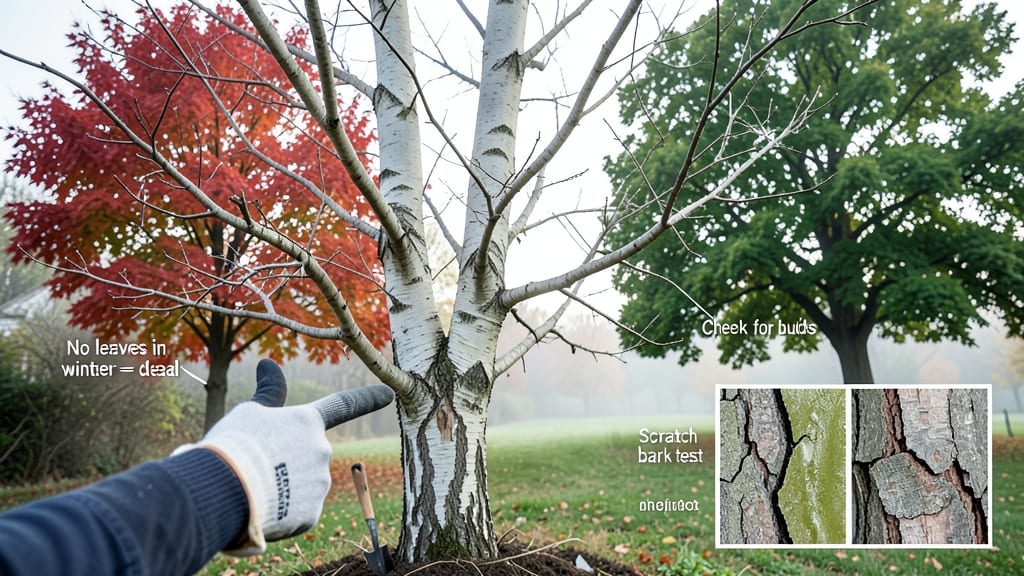
A tree with no leaves isn’t necessarily dead—is a tree dead if it has no leaves?—it’s probably just sleeping. 🌳 I’ve seen gardeners panic every fall when their maples, oaks, and birches shed leaves, only to watch them burst back to life in spring.
The real question is whether your tree is dormant or dying, and the difference comes down to simple checks anyone can do.
The key is understanding what healthy trees do naturally: they shed leaves to conserve energy in winter. Look for fresh, green growth at the tips of branches or buds swelling in early spring—those are signs of life.
Even the bark tells the story: smooth, intact bark means the tree’s still alive, while cracked, peeling, or fungus-covered bark suggests trouble.
Here’s the game-changer: perform a scratch test. Scrape a small patch of bark—if green layers appear underneath, the tree’s alive. For deeper checks, probe roots with a screwdriver: if they’re firm and moist, your tree’s just resting. A dead tree’s roots will crumble like dry kindling.
This works for most deciduous trees, whether you’re dealing with a backyard oak or a street-side maple. The same principles apply to fruit trees, shade trees, and even young saplings. Now you’ll know exactly when to worry—and when to just wait for spring.
Natural Causes Behind Leaf Loss
When a tree sheds its leaves, it’s often a sign of survival—not death. Understanding the why behind leaf loss helps you distinguish between normal cycles and warning signs. Here’s a breakdown of the most common reasons trees lose their foliage, backed by science and practical insights.
Trees enter dormancy as a survival strategy during cold winters or dry seasons. This isn’t laziness—it’s a metabolic shutdown triggered by:
- Temperature drops: When nights grow chilly (below 50°F or 10°C), trees like oaks, maples, and birches produce abscission layers—specialized cells that seal off leaves from branches. This prevents water loss and protects the tree from frost damage.
- Daylight reduction: Shorter days signal trees to conserve energy. Hormones like ethylene and abscisic acid accelerate leaf fall, redirecting nutrients to roots and trunk for storage.
- Species-specific timing: Deciduous trees (e.g., dogwoods, cherries) drop leaves before winter, while evergreens (like pines) retain needles but reduce photosynthesis.
💡 Pro Tip: If your tree’s leaves turn brown before falling and the bark stays intact, it’s likely dormant. Test for vitality by scratching the bark—if green phloem appears, the tree is alive!
Drought or poor water absorption can cause premature leaf drop, even in non-dormant seasons. Key triggers include:
- Insufficient soil moisture: Trees like willows and poplars need 1–2 inches of water weekly (more in heatwaves). Without it, leaves wilt and fall to reduce transpiration.
- Root damage or compaction: Compacted soil or girdling roots (from construction or erosion) strangle water uptake. Look for yellowing leaves before they drop.
- Overwatering: Soggy soil suffocates roots, preventing nutrient absorption. Mushrooms at the base? That’s a red flag for root rot.
✨ Actionable Fix: Water deeply twice weekly during dry spells and mulch 3 inches around the trunk to retain moisture. For compacted soil, aerate with a garden fork in spring.
Leaves act as the tree’s nutrient factories. When soil lacks essential minerals, trees shed foliage to conserve resources. Common deficiencies:
| Deficiency | Symptoms | Solution |
|---|---|---|
| Nitrogen (N) | Yellowing lower leaves (chlorosis), stunted growth | Apply organic compost or a balanced 10-10-10 fertilizer in early spring. |
| Potassium (K) | Brown leaf edges, weak stems | Use wood ash or a potassium sulfate supplement. |
| Magnesium (Mg) | Yellow veins with green patches (interveinal chlorosis) | Spread Epsom salt (magnesium sulfate) around the root zone. |
🔥 Warning: If leaves drop suddenly with no color change, the tree may be starving. Test soil pH (ideal: 6.0–7.0)—acidic soil locks out nutrients.
Invasive pests and pathogens force trees to abandon damaged leaves to prevent spread. Watch for:
- Sap-sucking insects (e.g., aphids, scale):
- Leaves curl, turn sticky (from honeydew), and drop prematurely.
- Spray with neem oil or introduce ladybugs (natural predators).
- Fungal infections (e.g., anthracnose, powdery mildew):
- Leaves develop spots, mold, or blackened veins before falling.
- Prune infected branches below the damage and apply copper fungicide.
- Bacterial leaf scorch:
- Edges brown and crisp like burnt paper.
- Remove fallen leaves immediately to stop spores from reinfecting.
🎯 Prevention: Inspect trees monthly for early signs. Healthy trees resist pests—focus on proper pruning and watering to boost immunity.
Sudden changes—like wind, salt spray, or pollution—can strip trees of leaves as a protective response. Examples:
- Salt damage (near roads or coastal areas):
- Leaves brown and crisp from osmotic stress (salt draws moisture out of cells).
- Flush soil with fresh water and apply gypsum to improve drainage.
- Air pollution (ozone, sulfur dioxide):
- Leaves develop necrotic spots or premature yellowing.
- Plant pollution-tolerant species (e.g., ginkgo, sycamore) in urban areas.
- Mechanical damage** (lawnmowers, hail):
- Leaves tear or fall to reduce wind resistance.
- Prune broken branches and mulch to protect roots.
Revive Your Leafless Tree
A tree without leaves isn’t always a lost cause—often, it’s just resting, struggling, or waiting for the right care. Whether your tree is dormant, diseased, or stressed, these practical solutions will help you diagnose and treat the issue before it’s too late.
Below, we’ve mapped common causes to step-by-step fixes, plus prevention tips to keep your tree thriving year-round.
Fix: Wait and Observe Many trees naturally shed leaves in fall or winter as part of their survival strategy. Deciduous trees like oaks, maples, and birches enter dormancy to conserve energy during cold months. If the tree is otherwise healthy (bark intact, branches firm, no oozing sap), do nothing—it’s just taking a nap!
✅ How to Confirm:
- Gently scratch the bark—if it’s smooth and green underneath, the tree is alive.
- Look for buds in early spring; if they’re plump and firm, new leaves will emerge.
💡 Prevention Tip:
- Mulch properly (2–4 inches of organic mulch, kept 6 inches away from the trunk) to insulate roots in winter.
- Water deeply before the first frost to ensure roots have moisture reserves.
Fix: Hydrate and Protect If your tree lost leaves due to drought, extreme heat, or wind damage, it’s likely still alive but thirsty or shocked. Act fast to revive it.
🔥 Step-by-Step Revival: 1. Water deeply (not just a quick sprinkle)—soak the soil 12–18 inches deep once a week until the ground is moist. Use a soaker hose or drip irrigation for even distribution.
- Mulch heavily—add 3–4 inches of mulch (wood chips or straw) to retain moisture and regulate soil temperature.
- Prune damaged branches—cut back any brown, brittle, or broken limbs with sterilized pruners to redirect energy to healthy growth.
- Shade young trees—if heat was the culprit, use shade cloth or temporary shade sails during peak sun hours.
🌡️ Pro Tip:
- Test soil moisture with your finger—if the top 2 inches are dry, it’s time to water. If the soil is soggy, wait a few days to avoid root rot.
💡 Prevention Tip:
- Install windbreaks (like a fence or hedge) for young trees in exposed areas.
- Water slowly and deeply during dry spells—trees hate thirst more than they hate overwatering (in moderation).
Fix: Identify and Treat Aggressively Fungal diseases (like anthracnose or powdery mildew) or pests (such as spider mites, borers, or aphids) can cause leaf drop. If the tree has yellowing leaves, holes, sawdust-like frass, or oozing sap, it’s fighting an invader.
🔪 Treatment Plan: | Problem | Solution | Prevention | |---------------------------|-----------------------------------------------------------------------------|------------------------------------------| | Fungal Disease | Apply copper fungicide or neem oil spray (follow label rates).
Prune infected branches 12 inches below the damage. | Space trees for airflow; avoid overhead watering. | | Spider Mites | Spray with water (forceful stream to knock them off) or insecticidal soap. | Encourage natural predators (ladybugs, lacewings) with companion plants. | | Borers | Inject systemic insecticide (like imidacloprid) or hire an arborist for soil drench treatment. | Keep trees healthy—stressed trees attract borers. | | Aphids | Blast off with water or use horticultural oil.
Attract ladybugs with dill or fennel nearby. | Remove debris where aphids hide over winter. |
⚠️ Warning:
- Never use pesticides without identifying the problem first—some treatments can harm beneficial insects or stress the tree further.
💡 Prevention Tip:
- Inspect trees regularly (especially in spring and fall) for early signs of pests or disease.
- Promote tree health with balanced fertilization (test soil first!) and proper pruning.
Fix: Nourish the Roots If the tree’s roots are compacted, girdled, or starved of nutrients, it may drop leaves to conserve energy. Signs include stunted growth, yellowing leaves, or mushrooms growing at the base (a red flag for root rot).
👨🍳 Root Revival Steps:
- Aerate the soil—use a manual aerator or hire a professional to loosen compacted soil around the root zone.
- Amend the soil—mix in compost or aged manure (avoid fresh manure—it can burn roots).
- Check for girdling roots—if roots are circling the trunk, carefully prune them (only do this in dormant seasons).
- Test soil pH—most trees thrive in slightly acidic soil (6.0–7.0). Adjust with lime (to raise pH) or sulfur (to lower pH) if needed.
📊 Pro Tip:
- Mulch volcanoes are evil—keep mulch level with the soil, not piled against the trunk. This prevents rot and pests.
💡 Prevention Tip:
- Plant trees in the right spot—avoid areas with clay-heavy, waterlogged, or overly compacted soil.
- Water deeply but less often to encourage deep root growth.
Fix: Drain and Dry Out Too much water smothers roots, leading to anaerobic conditions and rot. Signs include mushrooms at the base, foul-smelling soil, or a spongy trunk.
⏰ Emergency Drainage Plan:
- Stop watering immediately—let the soil dry out naturally.
- Improve drainage—dig a shallow trench around the tree to redirect water away from the roots.
- Add organic matter—mix in perlite or coarse sand to break up clay soil.
- Consider root fungus treatment—if rot is severe, consult an arborist for systemic fungicides like propiconazole.
💡 Prevention Tip:
- Plant trees in raised beds if your yard has poor drainage.
- Use rain barrels to control watering—trees hate soggy feet!
If your tree:
- Has large, oozing cankers on the trunk.
- Shows signs of borer tunnels (D-shaped exit holes).
- Leans precariously or has multiple dead branches.
- Fails to respond to 3–4 weeks of care.
An arborist can perform a soil test, diagnose hidden diseases, or recommend structural support before it’s too late.
- Prune in late winter/early spring (when the tree is dormant but buds are forming).
- Avoid "topping"—never cut the top off a tree; it stresses the plant and invites disease.
- Monitor for wildlife—deer or rabbits may nibble on young trees; use tree guards if needed.
- Celebrate small wins—even if your tree doesn’t regain leaves immediately, healthy roots mean a comeback is possible! 🌱
Frequently asked questions
Can a tree survive winter without leaves if it's evergreen?
Evergreens like pines and spruces keep their needles year-round, but they still slow down growth in winter. If your evergreen looks brown and crispy, it might be suffering from winter burn (dry air + cold winds). Try wrapping the trunk with burlap or applying anti-desiccant spray to protect it.
How can I tell if my leafless tree is dead or just dormant?
Perform a scratch test: scrape a small patch of bark—if you see green underneath, the tree is alive! Also check for buds in early spring or tap branches with a hammer (a hollow sound means dead wood).
Will my tree regrow leaves if it's been bare all winter?
Most deciduous trees regain leaves in spring if they're healthy. Look for bud swell (tiny bumps on branches) by late winter—this means new growth is coming! If buds don't appear, the tree may need professional assessment.
Could my tree be losing leaves because of pests I can't see?
Tiny pests like aphids or spider mites suck sap and cause premature leaf drop. Check the undersides of leaves for webbing or sticky residue (honeydew). Treat with neem oil or introduce natural predators like ladybugs.
Is it normal for young trees to lose all their leaves at once?
Young trees often shed leaves as they establish roots, especially if transplanted. Give them extra water and mulch to reduce stress. If no new growth appears by spring, they may need soil nutrient testing.