
Trees
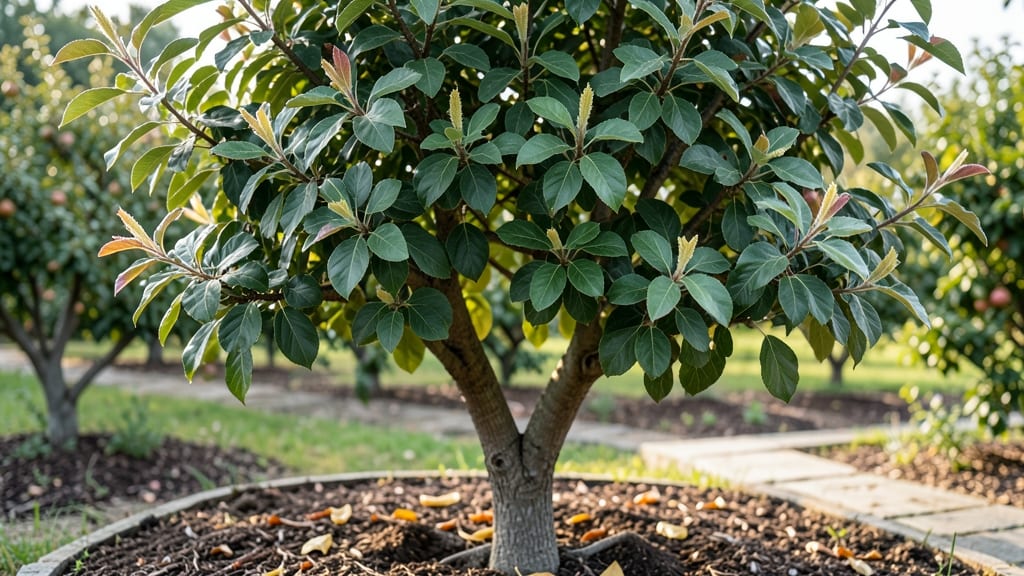
Identifying plum tree leaves starts with noticing their oval shape, smooth edges, and that distinct reddish tint when young. 🌿 I’ve spent years comparing plums to cherries and apricots, and the differences are subtle but critical—especially when pruning or managing pests.
A plum’s leaf often has a slightly pointed tip and a slightly waxy texture, while cherry leaves tend to be more elongated. The size matters too: most plum leaves fall between 2 to 4 inches long, with veins that curve gently toward the edges.
Japanese plums, for example, have smaller, darker green leaves compared to the broader, lighter European plum varieties. This distinction helps avoid misidentifying them as peach or nectarine trees, which have fuzzy undersides. Why does this matter?
Correct ID means you’ll prune at the right time, spot diseases early (like silver leaf fungus), and even choose the right fertilizer. A misidentified tree could mean wasted effort—or worse, harming a fruit-bearing favorite.
For tricky cases, check the buds and fruit: plums have 5-petaled flowers and oval fruits with a pit. Compare side by side with a cherry or apricot, and the differences become clearer. Grab a magnifying glass if needed—precision pays off in the long run.
Underlying Causes of Leaf Issues
Understanding why plum tree leaves develop specific traits—whether it’s discoloration, spots, or unusual shapes—starts with recognizing the root causes. These can range from environmental stressors to biological threats. Below, we break down the most common reasons and the science behind them.
---
Plum trees are sensitive to their surroundings, and extreme or fluctuating conditions can trigger visible leaf changes.
#### 🔥 Heat and Drought Stress Plum trees thrive in temperate climates, but prolonged heatwaves or insufficient water can cause leaves to: - Wilting or curling (a survival mechanism to reduce water loss). - Yellowing (chlorosis) due to disrupted chlorophyll production when roots struggle to absorb nutrients. - Premature leaf drop as the tree conserves energy.
Actionable Fix: 💡 Mulch the base of the tree to retain moisture, water deeply 1-2 times per week during dry spells, and avoid overhead irrigation to prevent fungal infections.
#### ❄️ Cold or Frost Damage Early or late frosts can scorch leaves, leaving brown or blackened patches. Young leaves are especially vulnerable because: - Cell membranes rupture when ice crystals form inside leaf tissues. - Photosynthesis halts, leading to stunted growth or leaf death.
Actionable Fix: 🌡️ Protect young trees with frost cloths during cold snaps, and plant varieties suited to your hardiness zone (e.g., Prunus salicina for warmer regions).
#### 🌧️ Excess Moisture or Poor Drainage Waterlogged soil deprives roots of oxygen, causing: - Yellowing leaves with brown edges (iron or nutrient deficiency due to anaerobic soil). - Fungal infections (like powdery mildew or leaf spot) thriving in damp conditions.
Actionable Fix: ✨ Amend heavy soil with compost or sand, and ensure the tree is planted on a slight mound to improve drainage.
---
Pests and pathogens actively feed on or infect plum tree leaves, altering their appearance in distinct ways.
#### 🐜 Pests: Sap-Sucking Invaders Insects like aphids, spider mites, and scale insects pierce leaves to feed on sap, leading to: - Sticky honeydew residue (aphids) and sooty mold (a black fungal growth on honeydew). - White or yellow stippling (spider mites) from cell damage. - Curling or puckering leaves as the tree attempts to protect itself.
Actionable Fix: 🔥 Blast pests off with a strong water spray, apply horticultural oil for mites, or introduce beneficial insects like ladybugs.
#### 🍄 Fungal and Bacterial Infections Fungi and bacteria exploit weak spots (e.g., wounds or stress) to infect leaves: - Leaf spot diseases (e.g., Cercospora) create target-like brown spots with yellow halos. - Bacterial leaf spot (Xanthomonas) produces water-soaked lesions that turn brown and crusty. - Powdery mildew coats leaves in a white, flour-like dust, reducing photosynthesis.
Actionable Fix: 🎯 Prune infected leaves immediately, apply copper fungicide preventatively, and improve air circulation around the tree.
#### 🐛 Borers and Defoliators Larvae of pests like plum curculio or sawfly chew on leaves, causing: - Irregular holes or notches along leaf edges. - Skeletonized leaves (veins remain, but tissue is eaten away).
Actionable Fix: 🔪 Remove and destroy infested leaves, use pheromone traps for adults, and apply Bacillus thuringiensis (Bt) for larvae.
---
Plum trees require balanced nutrients, and deficiencies manifest as specific leaf symptoms.
#### 📊 Chlorosis: The Yellow Alert Yellowing between leaf veins (interveinal chlorosis) often signals: - Iron deficiency (common in alkaline soils where iron is unavailable). - Zinc or manganese deficiency (stunted growth with small, distorted leaves).
Actionable Fix: 💪 Test soil pH and amend with chelated iron or sulfur to lower pH if needed.
#### 🍃 Purple or Red Leaves Anthocyanin pigments (which cause red/purple hues) spike when: - Phosphorus is lacking (leaves may also be small and dark green). - Nitrogen is excessive (leads to lush but weak growth).
Actionable Fix: 🌡️ Apply a balanced fertilizer (e.g., 10-10-10) in early spring, avoiding over-fertilization with nitrogen.
--- Pro Tip: 🔍 Always examine the underside of leaves—pests, fungal spores, or early signs of disease often hide there!
Revive Your Plum Tree Leaves
Plum trees are stunning when healthy, but when their leaves start showing signs of distress, it’s time to take action. The good news? Most issues are fixable with the right approach. Below are practical solutions tailored to common problems, along with prevention tips to keep your tree thriving.
---
Yellow leaves are often a sign of nutrient deficiency or overwatering. Here’s how to diagnose and treat it:
#### 🔍 Identify the Cause - Nitrogen deficiency (pale yellow leaves): Common in spring when new growth demands more nutrients. - Iron deficiency (yellow between veins): Often seen in alkaline soils. - Overwatering (yellow, mushy leaves): Roots struggle in soggy soil.
#### 💡 Solutions & Prevention | Cause | Fix It | Prevent It | |---------------------|----------------------------------------------------------------------------|--------------------------------------------------------------------------------| | Nitrogen Deficiency | Apply a balanced fertilizer (10-10-10) in early spring. Organic options like compost or blood meal work too. | Test soil annually and amend with compost before planting.
Mulch to retain moisture and nutrients. | | Iron Deficiency | Use chelated iron supplements (follow package instructions). Acidify soil slightly with sulfur or peat moss if pH is too high. | Plant in well-draining, slightly acidic soil (pH 6.0–7.0).
Avoid over-fertilizing with lime. | | Overwatering | Let soil dry between waterings. Improve drainage by adding sand or gravel to heavy soil. | Water deeply but infrequently—plum trees prefer drought tolerance. Use a moisture meter to check soil levels. |
💡 Pro Tip: If leaves yellow only on older branches, it may signal circulation issues—prune to improve airflow and reduce fungal risks.
---
Brown, crinkled, or curled leaves usually point to pests, disease, or environmental stress.
#### 🐛 Common Culprits & Fixes - Spider Mites (tiny webs, stippled leaves): - Spray with water to dislodge mites. - Use neem oil or insecticidal soap weekly until gone. - Prevent: Keep trees hydrated—mites thrive in dry conditions.
- Plum Psa (Bacterial Spot) (dark spots with yellow halos): - Remove infected leaves and sterilize pruners with rubbing alcohol. - Apply copper fungicide at first sign of spots. - Prevent: Space trees for airflow and avoid overhead watering.
- Heat or Drought Stress (edges turn brown and crispy): - Water deeply during heatwaves (1–2 inches per week). - Mulch heavily to retain moisture. - Prevent: Plant in partial shade if your climate is extremely hot.
🌡️ Pro Tip: If brown spots appear suddenly after rain, it’s likely fungal—act fast with fungicide!
---
Sudden leaf drop can happen due to shock, pests, or disease. Here’s how to bring your plum tree back:
#### 🚨 Emergency Steps 1. Check for pests (aphids, borers, or scale). Treat with horticultural oil if needed. 2. Inspect for disease (like silver leaf fungus). Prune affected branches 12 inches below the damage.
3. Adjust care: - Too much water? Let soil dry out. - Too little water? Increase irrigation gradually. - Transplant shock? Keep soil moist and avoid fertilizing for 4–6 weeks.
#### 🌱 Long-Term Recovery - Boost immunity with a balanced fertilizer (low nitrogen if overgrowth is the issue). - Prune strategically to remove dead wood and improve structure. - Monitor regularly for recurring issues.
✨ Pro Tip: If leaves drop only in spring, it’s likely normal dormancy—don’t panic!
--- - Prune annually in late winter to remove dead/diseased branches. - Test soil every 2–3 years and adjust pH/nutrients as needed. - Avoid heavy pruning in summer—it stresses the tree.
By addressing issues early and adjusting care habits, your plum tree’s leaves will bounce back stronger than ever! 🌳💚
Frequently asked questions about plum tree leaves
How do I tell the difference between plum and cherry tree leaves?
Plum leaves are typically oval with a slightly pointed tip and measure 2 to 4 inches long, while cherry leaves are more elongated and lance-shaped. Plum leaves also often have a reddish tint when young, whereas cherry leaves start a brighter green. Check the edges too—plum leaves have smooth margins, while cherry leaves may have tiny serrations.
What do Japanese plum tree leaves look like compared to European plums?
Japanese plum leaves are usually smaller (1.5 to 3 inches) and darker green with a shorter, rounded tip. European plum leaves are broader (3 to 5 inches) and lighter in color, often with a more pronounced waxy texture. The arrangement also differs—Japanese plums have leaves that alternate more tightly along the branch.
Why are my plum tree leaves turning purple?
Purple leaves usually indicate phosphorus deficiency or excess nitrogen. If the leaves are small and dark green with purple hues, it’s likely phosphorus. For nitrogen overload, you’ll see lush but weak growth. Test your soil and apply a balanced fertilizer (10-10-10) in early spring, avoiding heavy nitrogen doses.
Can I use plum tree leaves for anything besides identifying the tree?
Yes! Plum leaves are edible and can be used in herbal teas or as a culinary garnish (young, tender leaves only). They’re also rich in antioxidants. However, avoid using leaves from trees treated with pesticides. For identification purposes, save a few leaves in a herbarium press to compare with future growth.
What should I do if my plum tree leaves have holes but no visible pests?
Holes with no pests could signal plum curculio weevils (larvae hide in buds/fruit) or sawfly larvae. Check the undersides of leaves and fruit for tiny eggs or larvae. Prune affected branches, use Bacillus thuringiensis (Bt) for larvae, and set up pheromone traps for adults. Remove fallen leaves promptly to break the life cycle.