
How To
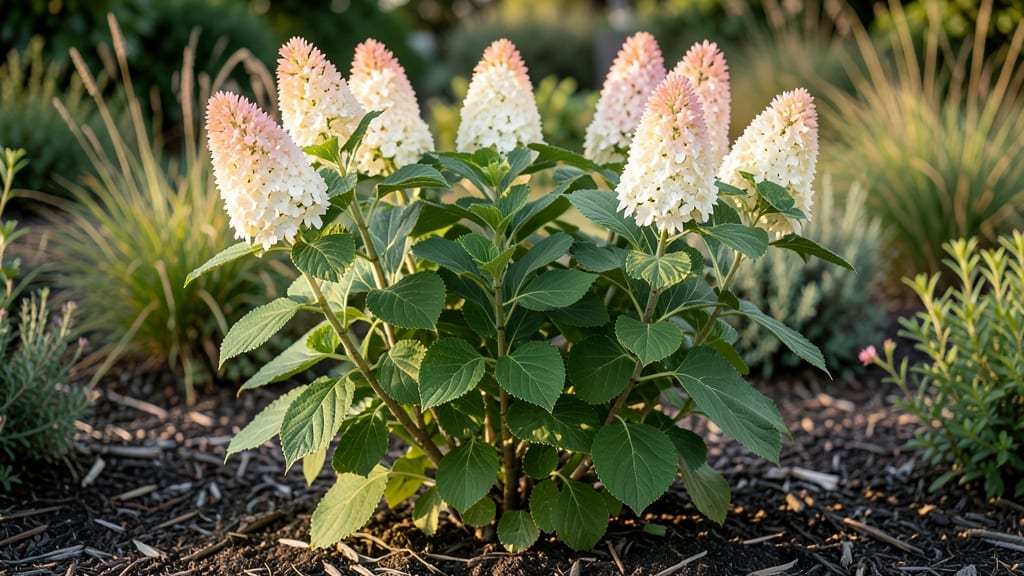
A hydrangea tree—how tall do they grow?—can range from 3 feet to towering 15 feet, depending on the variety and care you provide.
If you're dreaming of a stunning hydrangea tree but worried about space, don’t fret—some varieties grow taller than skyscrapers while others stay compact. Whether you’re planning a dramatic backyard focal point or a charming patio accent, understanding their mature heights is the key to choosing the perfect fit.
Fast-growing types like Hydrangea paniculata can reach 20 feet in ideal conditions, while dwarf varieties like Hydrangea arborescens ‘Annabelle’ max out at just 3-4 feet. The difference comes down to pruning, soil quality, and sunlight exposure—all factors you can control to shape their growth.
Below, I’ll break down the fastest-growing varieties, how to manage their height, and the best small-space solutions for gardeners with limited room.


Fastest-growing hydrangea tree varieties and their mature heights
If you're planning to add a hydrangea tree to your landscape but need to know how tall they grow, you're in the right place. Some varieties can reach 15 feet or more, while others stay compact.
The fastest-growing types often belong to the Hydrangea paniculata family, known for their rapid vertical growth and stunning seasonal blooms. Understanding these mature heights helps you choose the perfect variety for your space and sunlight conditions.
For gardeners with limited space, dwarf hydrangea trees under 6 feet are ideal, but if you want a bold statement, taller varieties like 'Limelight' or 'Grandiflora' can create a dramatic focal point.
These trees thrive in full sun to partial shade and can grow up to 20 feet in optimal conditions. Let’s explore the fastest-growing varieties and their mature heights to help you make an informed decision.
Hydrangea paniculata varieties are the fastest growers, often adding 2-3 feet per year under ideal conditions. They’re prized for their panicle-shaped blooms that change color as the season progresses. Meanwhile, Hydrangea arborescens varieties like 'Annabelle' grow slightly slower but still reach impressive heights. Below, we compare the top varieties and their growth characteristics to help you visualize their potential in your garden.
The Hydrangea paniculata 'Limelight' is one of the fastest-growing varieties, reaching 12-15 feet in just a few years. Its lime-green blooms that mature to pink make it a standout choice for gardeners seeking height and drama.
If you have full sun exposure, this variety thrives and can even grow taller with proper care. For a slightly shorter but equally stunning option, 'Grandiflora' offers large, cone-shaped flowers and a mature height of 8-12 feet.
For gardeners with smaller spaces, 'Little Lime' is a compact yet fast-growing option, reaching 4-6 feet while still delivering the signature panicle blooms. This variety is perfect for containers or patio gardens where space is limited but you still want a hydrangea tree’s beauty.
Its growth rate of 1-1.5 feet per year makes it a great choice for quick results without overwhelming your landscape.
When planting hydrangea trees, always consider their mature height and the space around them. Varieties like 'Limelight' or 'Grandiflora' need ample room to grow, so plant them at least 8-10 feet away from structures or other plants.
For hedges or privacy screens, spacing these trees 5-6 feet apart ensures they fill in quickly while maintaining airflow to prevent disease.
If you're unsure about a variety’s growth potential, start with a dwarf hydrangea tree like 'Little Lime' or 'Annabelle'. These varieties grow more slowly and stay under 6 feet, making them ideal for containers, balconies, or small yards.
Even these smaller varieties can add 1-2 feet per year, so they’ll fill out your garden in no time without taking over.
To encourage faster growth, ensure your hydrangea tree gets the right sunlight exposure and well-draining soil. Most varieties prefer partial shade, especially in hot climates, but Hydrangea paniculata can handle full sun if given enough water.
Mulching around the base of the tree helps retain moisture and promotes healthier root growth, which in turn speeds up vertical development.
Pruning plays a key role in managing height and encouraging bushier growth. For taller varieties, prune in late winter or early spring to shape the tree and remove
How to control hydrangea tree height: pruning tips for compact growth
Pruning your hydrangea tree is the secret to keeping it at your desired height while encouraging lush, bushier growth. Many gardeners avoid pruning because they fear cutting off next year's blooms—but with the right technique, you can shape your tree without sacrificing those stunning flower clusters.
The key is timing and precision, especially for varieties like Hydrangea paniculata or Hydrangea arborescens that can quickly outgrow their space.
If your hydrangea tree is reaching unwanted heights, don’t panic! With strategic pruning, you can reduce its stature by up to 30-50% in just one season. The best time to prune is late winter or early spring, before new growth begins.
This ensures you’re cutting back old wood while stimulating fresh, compact growth. For bushier growth, focus on cutting back one-third of the oldest stems each year, which encourages a fuller shape.
Step-by-Step Pruning Guide for Compact Hydrangeas
-
Step 1: Gather Your Tools
Clean, sharp pruning shears (for small branches), loppers (for thicker stems), and gloves to protect your hands. -
Step 2: Identify Dead or Weak Wood
Remove any dead branches or stems that are crossing or rubbing against each other. These compete for nutrients and can weaken the plant. -
Step 3: Prune for Height Control
For taller varieties, cut back the top 1/3 of the tallest stems just above a leaf node or outward-facing bud. This encourages lower branching. -
Step 4: Encourage Bushier Growth
Select 3-5 of the strongest stems and prune the rest back to 6-12 inches from the ground. This redirects energy to fewer, thicker stems. -
Step 5: Shape the Canopy
Thin out interior branches to improve airflow and sunlight penetration. Aim for an open, vase-like shape to prevent disease. -
Step 6: Clean Up and Mulch
Remove all pruned debris and apply 2-3 inches of mulch around the base to retain moisture and suppress weeds.
Pro Tip: Always prune at a 45-degree angle just above a bud or node to promote faster healing and new growth.
For panicle hydrangeas (like 'Limelight'), prune in late winter to early spring, as they bloom on new wood. In contrast, oakleaf hydrangeas (like 'Snow Queen') bloom on old wood, so prune immediately after flowering to avoid cutting off next year's blooms.
Always use sterilized tools to prevent spreading diseases like powdery mildew, which can weaken your tree.
If you're aiming for a hedge-like appearance, prune your hydrangea tree twice a year: once in late winter for height control and again in mid-summer to shape the foliage. This method works especially well for Hydrangea arborescens varieties, which respond beautifully to frequent pruning.
Just remember—never prune more than one-third of the plant in a single season to avoid stressing the roots.
With consistent pruning, your hydrangea tree will reward you with denser foliage, brighter blooms, and a height that perfectly fits your garden space. Start small, observe how your tree responds, and adjust your approach each year.
Before you know it, you’ll have a manicured masterpiece that’s both functional and stunning! 🌿✂️🌸