
Pruning
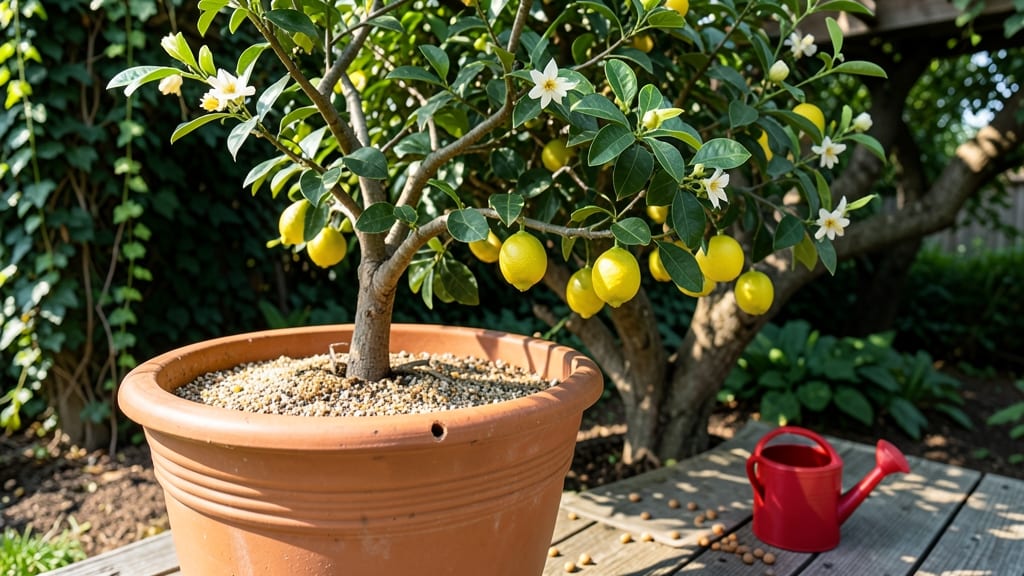
Taking care of a lemon tree in a pot means sunshine, patience, and just the right amount of water—no fancy equipment needed. 🌿 My first attempt nearly died from overwatering, but now I’ve got a thriving 3-foot tree that produces lemons every winter.
The secret? Matching its Mediterranean roots to your container setup.
Start with a 15-gallon pot (minimum) and drainage holes—lemon trees hate soggy feet. Use well-draining soil mixed with perlite or pumice, and place it in bright, indirect light (6+ hours daily).
Water only when the top inch feels dry, and fertilize lightly in spring/summer with citrus-specific food. Prune leggy growth in early spring to keep it compact.
By summer’s end, you’ll see glossy new leaves and maybe even tiny flowers—proof it’s happy. The first lemons might take a year, but each one tastes like sunshine.
Troubleshoot yellow leaves (overwatering) or no fruit (too little light) by adjusting care. Pests? A quick spray of neem oil keeps them away.
This works for dwarf varieties in apartments or full-size trees on patios. Just remember: lemon trees in pots need consistent care, not constant fussing. With these basics, yours could be bearing fruit in no time.
📚 In This Guide
- What you need
- Instructions
- Tips and common mistakes
- Wrapping up and next steps
What you need
- ● Pot: A container with drainage holes (minimum 12–18 inches in diameter for dwarf varieties, larger for standard trees). Opt for terracotta, ceramic, or high-quality plastic.
- ● Well-draining potting mix: A blend of 50% citrus-specific soil, 30% perlite or pumice, and 20% compost (avoid garden soil—it compacts!).
- ● Lemon tree sapling: Choose a dwarf Meyer lemon (easier for pots) or a standard variety (needs more space). Ensure it’s healthy, with no pests.
- ● Fertilizer: A balanced citrus fertilizer (e.g., 6-6-6 or 8-3-9 NPK ratio) or organic options like fish emulsion or citrus-specific granules.
- ● Watering can with a rose attachment: For gentle, deep watering without disturbing roots.
- ● Pruning shears: Sharp, sterilized shears (or small hand pruners) for shaping and maintenance.
- ● Mulch: Pine bark or straw (1–2 inches) to retain moisture and regulate temperature.
- ● Support stake or trellis: For young trees to prevent toppling as they grow.
- ● pH test kit: To monitor soil acidity (ideal range: 6.0–7.0 for lemons).
- ● Grow lights: If indoors, a full-spectrum LED grow light (12–14 hours/day) for winter.
- ● Pest control: Neem oil or insecticidal soap for early pest prevention.
Instructions for year-round lemon tree care in pots
Here’s the method I’ve used to keep potted lemon trees thriving indoors for over five years—no green thumb required.
🪴 Step 1: Select the Right Pot and Drainage Setup
Start with a 12-15 inch diameter pot with drainage holes—lemon trees despise soggy roots. I use unglazed terra cotta because it breathes and prevents root rot, but any container with drainage works. Place a 2-3 inch layer of gravel or broken pottery at the bottom to create an air pocket and improve drainage.
If your pot lacks drainage, drill holes yourself—two holes minimum—and cover them with mesh to prevent soil from washing out. The key is ensuring excess water escapes quickly; lemon trees in pots dry out fast but also rot just as fast if water pools.
☀️ Step 2: Position for Maximum Light and Temperature Control
Lemon trees need 6-8 hours of direct sunlight daily—a south-facing window is ideal. If natural light is insufficient, supplement with a full-spectrum LED grow light kept 6-12 inches away for 12-14 hours a day. You’ll know the light is right when leaves stay bright green and new growth appears vigorous, not leggy.
Keep temperatures between 65-75°F during the day and 55-65°F at night. Avoid drafts from AC vents or heaters—sudden temperature drops below 50°F can shock the tree and cause leaf drop. If your home runs cooler, a small space heater near the pot (but not touching) helps maintain warmth.
💧 Step 3: Water Deeply but Infrequently
Water when the top 2 inches of soil feel dry—stick your finger in to check. Lemon trees in pots dry out faster than in-ground trees, so deep watering every 5-7 days is better than frequent shallow watering. Pour water slowly until it drains freely from the bottom, then empty the saucer to prevent root rot.
Overwatering is the #1 killer of potted lemon trees. If leaves yellow or drop, it’s often a sign of overwatering or poor drainage. Let the soil dry out more between waterings in winter when growth slows, but never let the pot sit bone-dry for weeks—wilting leaves mean it’s too late to revive the tree quickly.
✂️ Step 4: Prune and Fertilize for Healthy Growth
Prune in late winter or early spring before new growth starts. Remove dead, diseased, or crossing branches first, then trim back any leggy growth to encourage bushier shape. Use clean, sharp pruners and make cuts just above a leaf node. You’ll see new shoots emerge within 2-3 weeks—this is your sign the tree is responding well.
Fertilize every 4-6 weeks during spring and summer with a balanced citrus fertilizer (look for one with equal NPK ratios). Reduce feeding in fall and winter—over-fertilizing then leads to salt buildup in the soil, which burns roots. Always water before fertilizing to prevent root burn.
🌿 Step 5: Monitor for Pests and Seasonal Adjustments
Check leaves weekly for pests like spider mites or scale. Wipe leaves with a mild soapy water solution (1 tsp dish soap per gallon of water) if you spot webbing or sticky residue. For severe infestations, neem oil spray works well—just avoid spraying when the tree is in direct sun to prevent leaf burn.
In winter, reduce watering and move the tree away from cold windows or drafts. If buds form but don’t bloom, increase light exposure or supplement with a grow light. Lemon trees need 12+ hours of light to set fruit, so don’t skimp on brightness during shorter winter days.
Tips & tricks for year-round lemon tree care in pots
Here's what nobody tells you—these little details make all the difference between a struggling potted lemon tree and one that thrives all year.
Lighting Strategy: Position your tree within 3 feet of a south-facing window for optimal sunlight exposure. If you notice leaves stretching toward the light (a sign of etiolation), it's time to supplement with a grow light. I've found that rotating the pot quarter-turn weekly ensures even growth—this prevents lopsided trees and maximizes exposure to all sides. The 6-8 hours of direct sunlight mentioned in the instructions is non-negotiable for fruit production, but don't forget that winter's shorter days require extra attention with grow lights.
Temperature Management: The 65-75°F daytime range is ideal, but sudden drops below 50°F can shock your tree. I keep a small thermometer near my tree to monitor conditions—especially important if you live in a climate with temperature swings. During winter, move the tree away from cold windows at night, as glass conducts cold and can create temperature extremes. A simple trick: place the pot on a wooden board or insulating mat to prevent heat loss through the pot's base.
Watering Wisdom: The 5-7 day watering schedule works for most indoor environments, but adjust based on your home's humidity levels. In dry climates or during winter when heaters run constantly, you may need to water every 4-5 days. Pro tip: use a moisture meter to check soil moisture—it's more accurate than the finger test, especially for beginners. And remember, the 2-3 inch drainage layer isn't just for aesthetics; it's your first line of defense against root rot by preventing water from pooling at the bottom.
Fertilizer Timing: When fertilizing every 4-6 weeks during growing season, split the recommended dose in half and apply it twice—once in early spring and again in late spring. This gradual approach prevents salt buildup in the soil while still providing the nutrients your tree needs. I've also found that flushing the soil with plain water every 3 months during growing season helps prevent mineral accumulation. In winter, completely skip fertilizing unless you see new growth starting, which is your tree's signal it's ready for nutrients again.
Pro Tips for Take Care Of Lemon Tree In Pot
- Here's what nobody tells you—these little details make all the difference between a struggling potted lemon tree and one that thrives all year.
- Lighting Strategy: Position your tree within 3 feet of a south-facing window for optimal sunlight exposure.
- Temperature Management: The 65-75°F daytime range is ideal, but sudden drops below 50°F can shock your tree.
Frequently asked questions
Got questions about keeping your potted lemon tree happy? Here’s what readers ask most—and how to tackle them!
How often should I water my potted lemon tree?
Water when the top 1–2 inches of soil feel dry (usually every 7–10 days). Overwatering is worse than underwatering—ensure the pot has drainage holes to prevent root rot. Adjust frequency in winter (less often) or summer (more often). Pro tip: Stick your finger in the soil to check moisture!
Can lemon trees survive winter in pots?
Yes! Move your tree indoors (near a sunny window) when temps drop below 40°F (4°C). If outdoors, wrap the pot in burlap and place it in a sheltered spot. Avoid sudden temperature shifts. Pro tip: Reduce watering in winter to mimic dormancy.
Why aren’t my lemon tree leaves turning yellow?
Yellow leaves often signal overwatering, nutrient deficiency, or pests. Check for:
- Overwatering: Let soil dry out between waterings.
- Nutrients: Feed with citrus-specific fertilizer every 2–3 months.
- Pests: Inspect for aphids or mites (spray with neem oil if needed).
How big should the pot be for a lemon tree?
Start with a 12–15 inch pot for young trees. Mature trees need 20+ inches. Use a pot with drainage holes and upgrade sizes gradually (2–3 inches larger every 2–3 years). Pro tip: Terracotta pots help regulate moisture better than plastic.
Can I use regular potting soil for my lemon tree?
No—lemon trees thrive in well-draining, slightly acidic soil (pH 6.0–7.0). Mix equal parts potting soil, perlite, and compost for optimal results. Avoid heavy garden soil, which causes root rot. Pro tip: Add citrus fertilizer at planting for a nutrient boost!
Wrapping up and next steps
Caring for a lemon tree in a pot is totally doable—just remember: sunlight, balance, and patience are your best friends! 🌿 With the right soil, watering routine, and occasional pruning, your tree will reward you with fragrant blooms and juicy lemons.
Start small, stay consistent, and soon you’ll be harvesting fresh fruit straight from your balcony or patio.
Ready to take the next step? Grab your pruning shears and a sunny spot—your lemon tree’s future is bright! 🍋✨