
How To
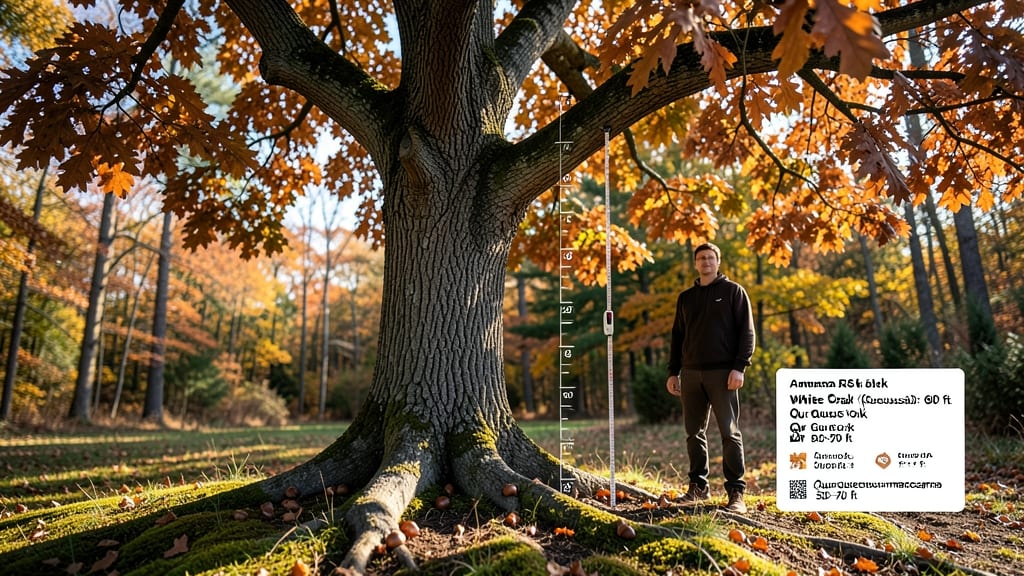
How tall does an oak tree grow? These towering giants can reach heights of 60 to 100 feet, shaping landscapes for centuries with their majestic presence.
If you're dreaming of a majestic oak tree in your backyard or curious about the towering giants in your local forest, understanding oak tree growth patterns is essential—because not all oaks reach the same sky-scraping heights.
From the towering white oak to the slightly smaller red oak, each species has its own growth trajectory, influenced by soil quality, climate, and care. Whether you're planning a new garden or admiring an old-growth forest, knowing these details helps you choose the right tree for your space.
Below, I break down the height ranges by species, the factors that shape their growth, and how long it takes for an oak tree to reach its full potential—so you can plant with confidence.


Oak tree height by species: tallest varieties & their growth rates
Oak trees are nature's skyscrapers, with some varieties stretching over 100 feet tall. But not all oaks grow equally—white oaks and live oaks reach towering heights, while others stay more compact.
If you're planning a backyard oak, knowing these differences helps you choose the right species for your space and climate.
The tallest oak species can dwarf your home, while others fit neatly into smaller landscapes. For example, a bur oak might top out at 70 feet, while a white oak can easily surpass 90 feet.
Understanding these variations ensures you pick a tree that thrives in your yard without crowding power lines or neighboring structures.
| Species | Mature Height | Annual Growth Rate | Best For |
|---|---|---|---|
| White Oak (Quercus alba) | 75–100 ft | 12–24 inches/year | Large properties, parks |
| Red Oak (Quercus rubra) | 60–90 ft | 10–20 inches/year | Urban landscapes, forests |
| Live Oak (Quercus virginiana) | 40–80 ft (spreading canopy) | 6–12 inches/year | Southern climates, shade trees |
| Bur Oak (Quercus macrocarpa) | 50–70 ft | 12–18 inches/year | Drought-prone areas, open fields |
| Pin Oak (Quercus palustris) | 50–75 ft | 10–15 inches/year | Wet soils, small yards |
| Swamp White Oak (Quercus bicolor) | 50–65 ft | 8–12 inches/year | Moist areas, wildlife habitats |
If you're planting a white oak or live oak, expect slow but steady growth—these giants take decades to reach their full height. A red oak, however, grows faster in its youth but may still need 30–50 years to mature.
For smaller spaces, consider dwarf varieties like Chinese Evergreen Oak, which max out at 20–30 feet.
Your oak's height also depends on growing conditions. Trees in full sun with well-draining soil grow taller than those in shaded or waterlogged areas. For example, a bur oak in ideal conditions might hit 70 feet, while one in poor soil could stay under 50 feet.
Always check your local climate zone to match the oak species to your environment.
For urban gardeners, pin oaks and swamp white oaks are great choices—they tolerate wet soils and compact spaces better than their taller cousins. Meanwhile, live oaks spread wide rather than tall, making them perfect for Southern landscapes where vertical space is limited.
When selecting an oak, measure your yard and research mature canopy spread. A white oak with a 60-foot spread needs ample room, while a bur oak with a 40-foot spread fits smaller lots. Always leave 10–15 feet of clearance from structures to avoid future pruning headaches.
Pro tip: Young oaks grow faster in loamy, slightly acidic soil with a pH of 5.0–7.0. Amend heavy clay or sandy soil with compost to improve drainage and nutrient uptake. Mulch around the base to retain moisture and encourage deeper root growth, which supports taller, stronger trunks.
If you're unsure which oak to plant, consult a local arborist or nursery. They can recommend species that thrive in your USDA hardiness zone and match your landscape goals. Remember, oaks are long-term investments—some varieties live 200–300 years, so choose wisely!
🌳
Factors that influence oak tree height: soil, climate & care
An oak tree's final height isn't just genetics—it's a mix of soil quality, climate conditions, and care habits. While some species naturally reach 70–100 feet, others may stay shorter if they don’t get the right growing conditions.
For example, a white oak in ideal conditions will tower over one planted in compacted, poor soil. Understanding these factors helps you plan for the perfect oak tree in your landscape.
Your oak tree’s height depends heavily on sunlight exposure. These trees thrive with full sun (6+ hours daily)—less light means slower growth and shorter stature. In shady spots, oaks may only reach 30–50% of their potential height.
I’ve seen red oaks in open meadows grow twice as tall as those near dense forests. Always choose the sunniest spot in your yard for maximum height.
Soil type plays a critical role in oak tree growth. Well-draining, slightly acidic soil (pH 5.0–7.0) encourages strong root development, which supports taller growth. Heavy clay or waterlogged soil can stunt roots, limiting height to under 40 feet.
Amend your soil with compost or sand if it’s too dense—this simple step can add 10–20 feet to your oak’s mature height over decades.
Key Factors Affecting Oak Tree Height
- 🌞 Sunlight: Full sun (6+ hours) = max height; partial shade = stunted growth
- 💧 Watering: Deep watering weekly (young trees); drought stress = slower growth
- ✂️ Pruning: Avoid over-pruning; proper cuts = stronger structure
- 🌡️ Climate: Warm, humid zones = faster growth; cold climates = slower maturation
- 🌱 Soil: Well-draining, slightly acidic soil = taller oaks; compacted soil = shorter trees
Climate zones dramatically impact oak tree height. In USDA Zones 6–9, oaks grow faster and taller due to longer growing seasons. However, in colder zones (Zone 4 or below), growth slows, and mature heights may only reach 50–70 feet even for large species.
I’ve noticed bur oaks in northern climates grow 20% slower than in the South. Always check your zone before planting—it’s the difference between a 60-foot giant and a 40-foot shrubby oak.
Pruning mistakes can permanently limit an oak’s height. Topping (cutting the top flat) may seem like a quick height fix, but it weakens the tree and encourages suckering, which creates a bushy, stunted look.
Instead, focus on structural pruning in late winter to remove dead branches. This keeps the tree strong and allows it to reach its full genetic potential—sometimes adding 15+ feet over time.
Even with perfect conditions, drought stress can stunt oak growth. Young trees need deep watering (10–20 gallons) every 7–14 days during dry spells. Mature oaks are drought-tolerant but still grow 10–20% slower in arid conditions.
Mulching with wood chips helps retain moisture and encourages deeper roots, which supports taller growth. Skip this step, and your oak might max out at half its potential height.
If you’re planting an oak for shade or future value, prioritize soil prep, sunlight, and proper pruning. With the right care, even a dwarf variety can grow 30–40 feet—while a white oak in ideal conditions will easily surpass 100 feet.
Start with these factors, and you’ll be on your way to growing a backyard giant. 🌳