
How To
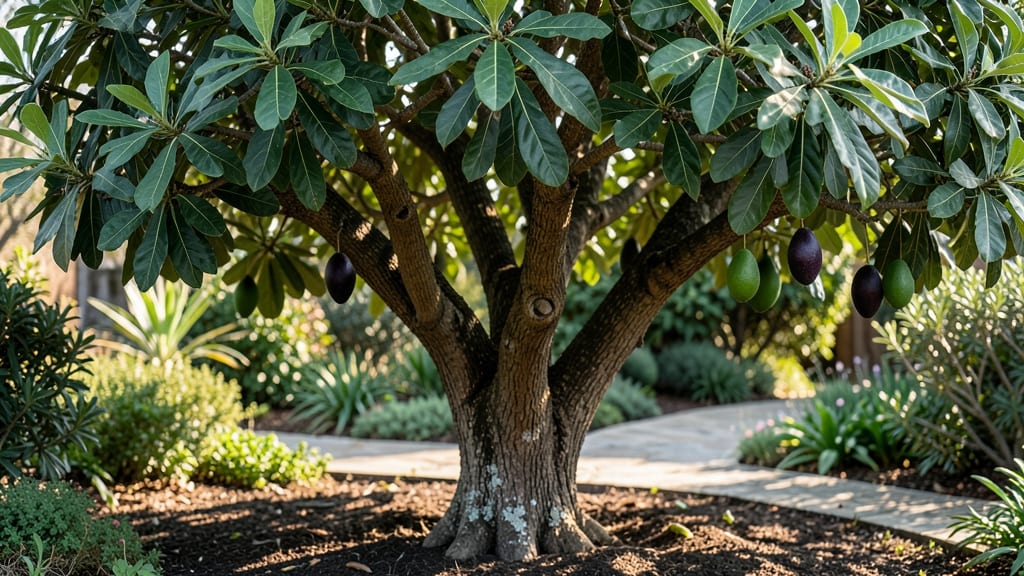
An avocado tree grows to how tall does a demonstrative tall heights between 20 and 80 feet at maturity, turning even the smallest backyard into a jungle if you’re not careful — but with the right variety and pruning, you can keep it tame.
Picture this: a 50-foot tree towering over your patio, its roots cracking your driveway, its branches blocking the neighbor’s view. That’s the reality for standard varieties like Hass or Fuerte in ideal conditions (think California or Florida).
But here’s the good news: dwarf types like ‘Wurtz’ or ‘Little Cado’ stay under 12 feet, making them perfect for containers or urban lots.
Your tree’s final height depends on three things: its roots (dwarf rootstock = shorter tree), your pruning habits (yes, even avocados respond to a good trim), and where you live. In cooler zones like USDA 6a, growth slows dramatically compared to frost-free climates.
That means a 10-foot tree in your yard might still reach 30 feet in Southern California — same variety, different results.
Below, I’ll break down how to pick a size that fits your space, when to prune for control, and the surprising truth about why some avocados never grow tall — even in the same neighborhood. Spoiler: it’s not just about the soil.


Standard avocado tree height: what to expect in full growth
If you’re dreaming of fresh avocados straight from your backyard, understanding how tall your avocado tree will grow is the first step to successful cultivation—because a 50-foot giant isn’t always practical (or possible) for every garden!
Most standard avocado varieties reach 40–80 feet tall at maturity, turning your backyard into a tropical oasis or requiring careful planning for urban spaces. The variety you choose, your local climate, and soil conditions all play critical roles in determining how tall your tree will grow.
Avocado trees belong to three main groups: Mexican, West Indian, and Guatemalan, each with distinct growth habits. For example, the popular Hass avocado (Guatemalan) typically grows 30–50 feet tall, while Fuerte (Mexican) can stretch up to 60–80 feet in ideal conditions.
Even within these groups, individual trees can vary by 10–20 feet depending on environmental factors. Let’s break down what to expect from your tree’s vertical expansion.
| Variety | Mature Height | Growth Rate | Climate Needs |
|---|---|---|---|
| Hass | 30–50 ft | 1–2 ft/year | USDA Zones 9b–11 |
| Fuerte | 60–80 ft | 2–3 ft/year | USDA Zones 10a–11 |
| Bacon | 40–60 ft | 1.5–2.5 ft/year | USDA Zones 9a–11 |
| Lamb Hass | 25–40 ft | 1–1.5 ft/year | USDA Zones 9b–11 |
Climate plays a huge role in how tall your avocado tree grows. In warm, coastal regions like California or Florida, trees thrive and reach their full height faster due to year-round growing conditions.
For example, a Hass avocado in Zone 10b might grow 2–3 feet per year, while the same tree in Zone 9a could grow only 1 foot per year due to cooler winters. Soil drainage is equally critical—avocados hate soggy roots, so well-draining, slightly acidic soil (pH 6.0–7.0) encourages faster, healthier growth.
If you’re planting in an urban backyard, a standard avocado tree’s height can become a challenge. A 50-foot tree will easily outgrow most residential properties, requiring creative solutions like pruning or choosing dwarf varieties.
In rural settings, however, these trees have plenty of room to spread their broad canopies (20–30 feet wide), making them a stunning focal point. Always check local height restrictions or HOA rules before planting—some areas limit tree heights to 15–20 feet for safety reasons.
Growth rate also depends on how well you care for your tree. Young avocado trees grow 1–2 feet per year in their first few years, but this accelerates to 3–5 feet per year once established.
Providing consistent water, balanced fertilizer, and full sun exposure (6+ hours daily) will maximize vertical growth. Neglect, on the other hand, can stunt a tree’s height—underwatering or poor soil can reduce growth by 50% or more.
In container gardening, standard avocado trees will never reach their full height because root restriction slows growth. However, even in pots, a Hass avocado can still grow 10–15 feet tall over 10 years if given enough space.
For true height control, consider pruning or grafting techniques, which we’ll cover in later sections. The key is to start managing your tree’s height early—once it reaches 10 feet, pruning becomes much more difficult and risky.
One common misconception is that all avocado trees grow equally tall. In reality, Mexican varieties (like Fuerte) tend to be taller and faster-growing, while Guatemalan varieties (like Hass) are slightly more compact. West Indian varieties (like Lettuce) often stay shorter but produce fruit earlier.
If you’re short on space, focus on Guatemalan or West Indian types—they’re your best bet for a slightly more manageable tree.
For those
Dwarf avocado trees: compact options for small spaces and containers
If standard avocado trees reaching 40-80 feet sound overwhelming for your backyard, dwarf varieties are your game-changer! These miniature marvels stay under 10-15 feet tall while still producing delicious fruit.
The secret? Grafting popular varieties like 'Bacon' or 'Wurtz' onto dwarf rootstock—a technique that keeps growth in check without sacrificing flavor or yield.
Dwarf avocado trees are perfect for containers, urban yards, or small patios where space is limited. Unlike their towering counterparts, they mature faster—often bearing fruit in 2-3 years instead of 5-7—while requiring minimal pruning to maintain their compact shape.
Plus, their manageable size makes harvesting avocados a breeze, even from a ladder or balcony!
When choosing a dwarf avocado tree, prioritize rootstock compatibility with your climate. For example, 'Wurtz' thrives in USDA Zone 10, while 'Little Cado' tolerates cooler zones down to Zone 9.
Always select a self-pollinating variety or plant two compatible trees to ensure fruit production—no need for separate male/female plants!
To maintain their size, prune dwarf avocado trees in late winter or early spring, removing overlapping branches and suckers at the base. Use sterilized shears to avoid disease, and shape the tree to encourage airflow.
With proper pruning and container care, you can keep your tree under 10 feet even in a 5-gallon pot—ideal for patios or small balconies.
Don’t let limited space stop you from growing avocados! Dwarf varieties prove that big flavor doesn’t require a giant tree. Whether you’re growing in a container, raised bed, or small backyard, these compact trees deliver fresh fruit with minimal fuss.
Just remember: sunlight, well-draining soil, and consistent watering are non-negotiable for happy, productive trees.
Ready to start? Pick a dwarf variety, grab a large container, and watch your avocado dreams take root—literally! 🌱🥑✂️