
Picking
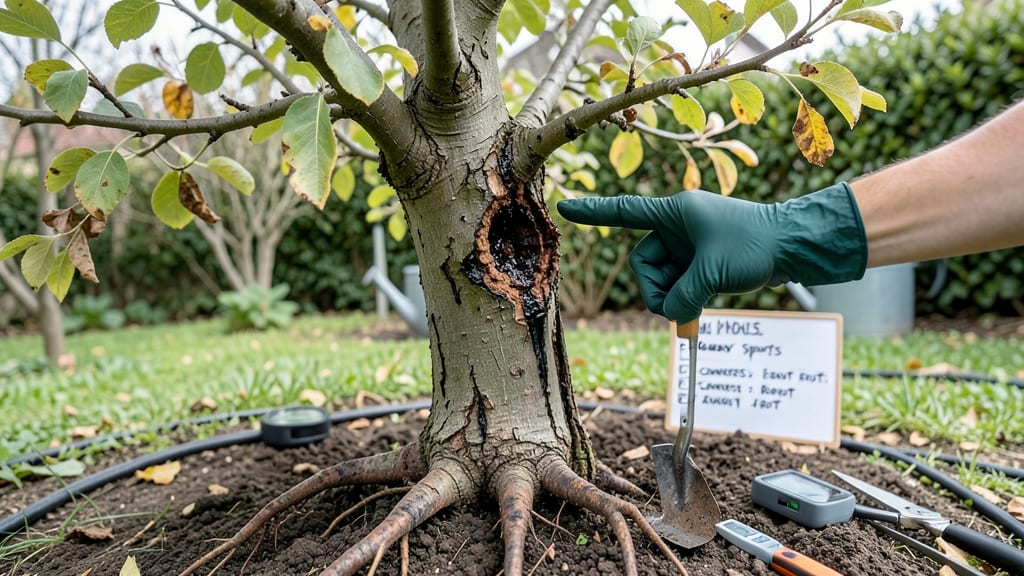
Your tree might be dying when you notice 50%+ leaf loss in a single season—or worse, no new growth by spring. 🌳 I’ve watched trees go from vibrant to skeletal in just months, and the early signs are often subtle: brittle branches, oddly colored leaves, or mushrooms sprouting at the base.
Most people wait too long, assuming it’s just seasonal stress. But the truth? Catching decline early means you might still save it with pruning, water adjustments, or targeted treatments. A few minutes of inspection now could mean years of shade and wildlife support later.
Think of it like a doctor’s exam: check the bark for cracks or oozing sap, shake branches to listen for hollow sounds, and dig (gently!) near the trunk to spot root rot. These clues reveal whether your tree needs help—or if it’s time to call an arborist.
The good news? Some trees bounce back with proper care. The bad news? Others are past saving. Here’s how to tell the difference—and what to do next.
📚 In This Guide
- What you need
- Instructions
- Tips and common mistakes
- Wrapping up and next steps
What you need
- ● Gloves (1 pair) – Heavy-duty work gloves to protect your hands from thorns, bark, or pests.
- ○ Handheld magnifying glass (optional but helpful) – For inspecting small details like bark texture or insect activity up close.
- ● Pruning shears or small saw (1) – To safely remove small branches or take a closer look at the tree’s structure.
- ● Notebook & pen (1 each) – To jot down observations like discoloration, dead branches, or unusual growth patterns.
- ● Camera or smartphone – Capture photos of concerning areas for later reference or expert consultation.
- ● Water source (hose or bucket) – To check for moisture levels in the soil or test water drainage.
- ● Trowel or small shovel (1) – For gently digging around the base to inspect roots or soil health.
- ● Soil pH test kit (1) – To check if nutrient deficiencies or poor soil health might be contributing to the tree’s decline.
- ● Moisture meter (1) – For precise readings on soil hydration levels.
- ● Ladder or step stool (1) – If the tree is tall and you need to inspect higher branches safely.
- ● Insect identification guide or app – To help identify pests like borers, beetles, or aphids that could be harming your tree.
- ● Tree health reference book or online resources – For comparing your findings to common signs of tree diseases or stress.
How to diagnose tree decline: 5 critical signs to watch for
Even experienced gardeners can miss early warning signals. Here's how to spot trouble before it's irreversible.
🌿 Step 1: Check the Leaves for Color and Texture Changes
Start by examining the leaves from top to bottom. Healthy leaves should be vibrant in their natural color—deep green for most trees, or the specific hue your species is known for. If you notice yellowing between veins (chlorosis), this often signals nutrient deficiencies like iron or magnesium. Brown, crispy edges typically mean underwatering or salt buildup in the soil.
Run your fingers along the leaf edges. Rough, brittle leaves that crumble easily indicate drought stress or pest damage. Check the undersides too—tiny webs, holes, or eggs mean insects are feeding on your tree's vital parts. I always start my inspection at the outermost branches first, since dying trees often show symptoms there before the trunk.
🌱 Step 2: Look for Bark Damage and Cracks
Gently run your hands along the trunk and major branches. Healthy bark should feel smooth or slightly textured, never slimy or oozing. Dark streaks, blackened patches, or peeling bark are red flags for fungal infections like anthracnose or canker diseases. These often appear as sunken, dead areas that feel hollow when pressed.
Check for vertical cracks wider than your pinky finger—these can let in pests and diseases. If you see peeling bark exposing raw wood, your tree is already stressed. I like to use a small flashlight to inspect cracks in dim light—sometimes the damage isn't visible until you change the angle.
🪴 Step 3: Assess the Root Zone for Moisture and Growth
Dig a 6-inch deep hole about 2 feet from the trunk (be careful not to damage roots). Healthy soil should smell earthy and feel moist but not soggy. If it smells rotten or like ammonia, your tree has root rot—a death sentence without intervention. Stick your finger in—if it comes out clean, the soil is too dry.
Look for mushrooms growing at the base—these indicate excessive moisture and decay. Healthy roots should be white or light tan with fine hairs. Dark, mushy roots mean rot. I always check the drip line (the area directly under the outer branches) first, since that's where most roots absorb water.
☀️ Step 4: Observe Branch and Twig Dieback Patterns
Scan the tree from all sides for dead branches. Healthy branches should have buds or leaves along their length. If you see brown, leafless branches starting at the top and working downward, this is classic crown dieback—often caused by drought, disease, or poor pruning. Check for brittle branches that snap easily when bent.
Look for epicormic branching—those little shoots sprouting along the trunk. While some trees do this naturally, an explosion of new growth on a previously bare trunk usually means the tree is desperately trying to regrow after stress. I test branch health by gently scraping the bark—if green tissue shows underneath, it's still alive.
⏰ Step 5: Monitor Growth Patterns Over Time
Compare this year's new growth to previous years. Healthy trees add at least 6-12 inches of new growth annually, depending on the species. If you notice no new leaves or flowers where you'd expect them, your tree is struggling. Measure the trunk diameter at chest height—if it's shrinking instead of growing, that's a serious warning sign.
Pay attention to seasonal changes. A tree that drops leaves in late summer (instead of fall) is in distress. I keep a simple calendar marking when buds should open and leaves should appear—any two-week delay in spring growth means trouble. The key is consistency: sudden changes in growth patterns are your tree's SOS signals.
Tips & tricks for diagnosing tree decline
Don't wait until it's too late—these practical tips will help you spot trouble early and save your tree.
Leaf Inspection Tip: In Step 1, when checking for leaf color changes, compare the top leaves with those on the lower branches. If you notice yellowing or browning starting at the top and spreading downward, this is a classic sign of nutrient deficiencies or disease. I also recommend checking leaves in the morning when they're fully hydrated—this helps you see subtle color changes more clearly.
Bark Examination Technique: For Step 2, use a small pocket magnifying glass to inspect bark texture more closely. Look for tiny cracks or powdery residue that might indicate early-stage fungal infections. If you find bark that feels spongy or gives slightly when pressed, this suggests internal rot or disease. Always examine the bark in bright, natural light to spot subtle changes.
Root Zone Strategy: When assessing the root zone in Step 3, focus on the drip line area first—this is where most roots absorb water. If you find the soil is consistently dry even after watering, your tree may have deep-rooted issues. I keep a small trowel handy to gently scrape away soil and check for root health without causing damage.
Seasonal Growth Tracking: For Step 5, create a simple chart to track your tree's growth over time. Note the date when buds appear in spring and when leaves fully develop. If you notice a two-week delay in these seasonal changes, it's a red flag. I also measure trunk diameter at chest height every spring—any shrinkage indicates serious trouble.
Pro Tips for How Do You Know If Your Tree Is Dying
- Don't wait until it's too late—these practical tips will help you spot trouble early and save your tree.
- Leaf Inspection Tip: In Step 1, when checking for leaf color changes, compare the top leaves with those on the lower branches.
- Bark Examination Technique: For Step 2, use a small pocket magnifying glass to inspect bark texture more closely.
Frequently asked questions
Got questions about saving—or saying goodbye to—a struggling tree? Here are some of the most common concerns, answered clearly and quickly.
Can a tree recover once it starts showing signs of decline?
Some trees can bounce back if caught early! Prune dead branches, improve soil health (like adding compost), and water deeply but infrequently. If the root system is still alive, recovery is possible—but act fast. Pro tip: Young trees often rebound better than mature ones.
How long do I have before a dying tree becomes a hazard?
It depends on the species and severity, but a tree with hollow trunks, large dead branches, or fungal growth can fail suddenly—sometimes within weeks. If it’s leaning or has cracks wider than 2 inches, call an arborist ASAP. Safety first!
Is it cheaper to remove a dying tree or try to save it?
Costs vary, but saving a tree is usually cheaper upfront. Removal can run $500–$2,000+ depending on size, while pruning, soil treatment, and pest control may cost $200–$800. Weigh the tree’s value: Is it shade, fruit, or sentimental? That might tip the scales.
What’s the best replacement tree if mine is beyond saving?
Choose a native, low-maintenance species like oak, maple, or dogwood for durability. Avoid fast-growing trees (e.g., willows) that may need frequent pruning. Planting tip: Pick a spot with 6+ hours of sunlight and well-draining soil to give your new tree the best start.
Could pests or disease be killing my tree, and how do I fix it?
Yes! Look for sawdust-like frass, holes, or oozing sap—common signs of beetles or fungal infections. Treat with neem oil (for pests) or copper fungicide, and remove infected branches 12+ inches below the damage. Prevention pro tip: Inspect trees spring and fall for early detection.
Wrapping up and next steps
If your tree is showing signs of distress—like leaf discoloration, dead branches, or oozing sap—don’t panic! Early action can often save it.
Start by diagnosing the issue (pests? disease? drought?) and take steps like pruning, watering, or consulting a local arborist. 🌱 With the right care, many trees bounce back stronger than ever!
Next step: Pick one action from this guide and give it a try—your tree (and your green thumb!) will thank you. 🌿