
Pruning
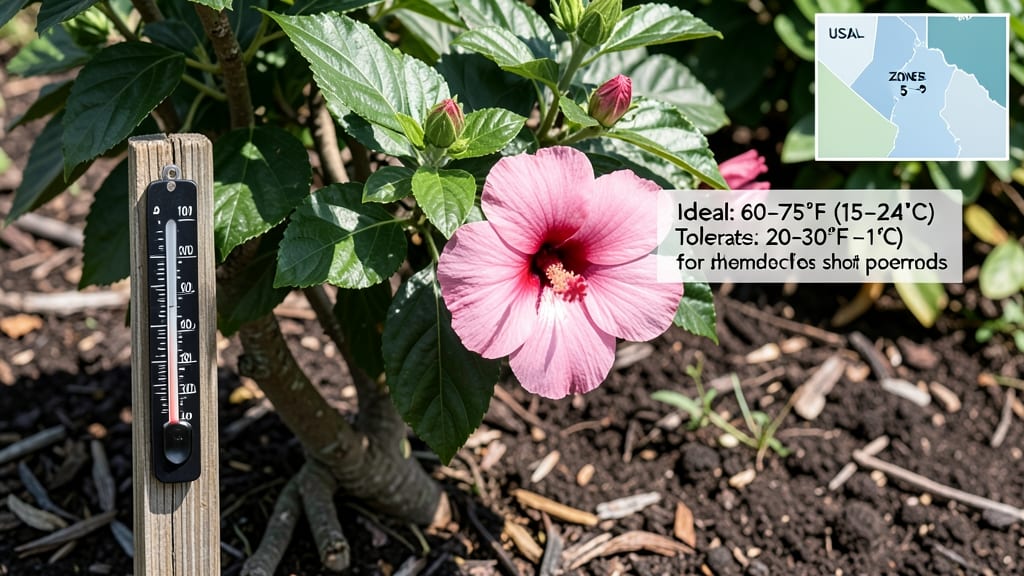
The ideal hibiscus tree temperature range sits between 65°F and 85°F during daylight hours, with nighttime temperatures staying above 50°F to maintain health. These plants can handle brief cold snaps down to 30°F, but prolonged freezing will cause significant damage unless you're growing hardier varieties.
Hibiscus trees originate from tropical and subtropical climates, which explains why they struggle when temperatures drop below their comfort zone. 🌡️ The optimal range supports vigorous growth and abundant flowering, as cooler temperatures slow metabolic processes while extreme cold disrupts cellular function.
For gardeners in colder regions, selecting cold-hardy varieties like Hibiscus moscheutos (swamp hibiscus) or Hibiscus syriacus (rose of Sharon) can extend your growing season by several weeks. Even then, protective measures like mulching and winter wraps become essential to shield roots and stems from frost damage.
What's fascinating is how hibiscus trees respond to temperature shifts. During heatwaves, they may drop buds or leaves to conserve energy, while sudden cold snaps can cause leaf blackening. 🌿 The key is maintaining consistent warmth—especially for tropical species—which is why container-grown plants need extra attention during temperature fluctuations.
When planning your garden layout, consider microclimates where hibiscus can enjoy afternoon shade during peak summer heat while still receiving morning sunlight.
💡 In This Article
- How Temperature Affects Hibiscus Tree Growth and Survival
- Protecting Hibiscus Trees in Cold Climates: Practical Solutions
How temperature affects hibiscus tree growth and survival
Hibiscus trees rely on a delicate balance of warmth to fuel their metabolic processes. During the 65°F to 85°F daytime range, their photosynthetic machinery operates at peak efficiency, converting sunlight into energy for growth and flower production.
The leaves contain specialized cells called chloroplasts that thrive in this warmth, producing up to 30% more chlorophyll than in cooler conditions. When temperatures dip below 60°F, photosynthesis slows dramatically, causing stunted growth and fewer blooms. 🌿
The root systems of hibiscus trees are particularly sensitive to temperature fluctuations. Ideal soil temperatures for root development sit between 70°F and 80°F, where beneficial microbes break down organic matter and release nutrients.
Cold soil below 50°F disrupts this process, leading to nutrient deficiencies that manifest as yellowing leaves or weak stems. Tropical hibiscus varieties, like Hibiscus rosa-sinensis, are especially vulnerable because their roots lack the protective insulation found in hardier species.
Flowering is another process directly tied to temperature. Hibiscus buds require consistent warmth to mature, with optimal blooming occurring when daytime highs reach 75°F to 80°F. Buds exposed to sudden cold snaps may drop prematurely, while prolonged heat above 90°F can cause buds to wither before opening.
This is why gardeners in hot climates often see fewer blooms during summer heatwaves—even with perfect care. 🌸
Cold sensitivity varies dramatically between species. Tropical hibiscus, like the Chinese hibiscus, can suffer irreversible damage at 32°F, while hardy varieties such as Hibiscus syriacus tolerate brief dips to 20°F without permanent harm.
The difference lies in their cellular structure: hardy hibiscus produce higher concentrations of antifreeze proteins that protect cell membranes during freezing. This natural adaptation explains why some hibiscus thrive in USDA zones 5-6 while others remain strictly tropical.
Even within the optimal range, temperature consistency matters more than absolute values. Hibiscus trees experience stress when temperatures swing more than 10°F within 24 hours, triggering defensive responses that divert energy from growth.
This is why container-grown plants often struggle—their root balls heat up quickly in sun and cool rapidly at night, creating unstable conditions. For best results, place potted hibiscus in locations with afternoon shade during summer heatwaves. ✨
Understanding these temperature effects helps explain why hibiscus trees often drop leaves in fall—a natural response to cooling temperatures preparing for dormancy. However, when temperatures drop too quickly, the plant may not have time to acclimate, leading to sudden leaf loss.
This is particularly common in tropical hibiscus moved outdoors from greenhouses without gradual temperature adjustments. 🍂