
Trees
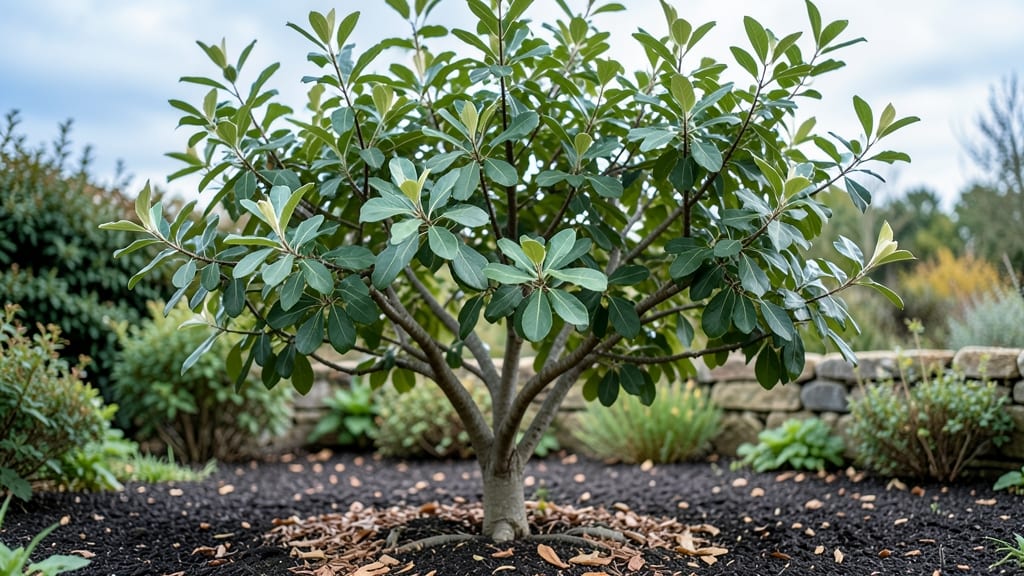
Greengage tree leaves tell the story of your tree’s health—if you know what to look for. 🌿 Those glossy green leaves should be your pride, but yellowing, spots, or sticky residue mean trouble’s brewing.
I’ve spent years watching greengage trees transform from struggling to stunning, and the difference always starts with understanding the leaves. The most common culprits are overwatering (soggy roots = unhappy leaves), nutrient deficiencies (think pale yellow between veins), or pests like aphids hiding on the undersides.
Powdery mildew shows up as white dust, while fungal spots create dark, irregular patches. The good news? Most issues fix with proper pruning, balanced watering, and targeted treatments—organic or chemical—before they wreck your fruit harvest.
📚 In This Guide
- What you need
- Instructions
- Tips and common mistakes
- Wrapping up and next steps
What you need
- ● Pruning shears: Sharp, bypass-style shears (for clean cuts on small branches). Example: Felco F-2 or Corona Tools.
- ● Loppers: For branches ½–1½ inches thick. Look for ratcheting or bypass models for ease.
- ● Pruning saw: A curved-tooth saw for thick branches (>1½ inches). Example: Fiskars X7.
- ○ Disinfectant (optional but recommended): 70% isopropyl alcohol or a pruning sealant (like Tanglefoot) to prevent disease spread.
- ● Gloves: Heavy-duty, cut-resistant gloves (e.g., Mechanix Wear) for protection.
- ● Ladder or step stool: Sturdy and non-slip (e.g., Little Giant or Werner). Safety first!
- ● Trash bags or bucket: For collecting pruned leaves/branches (5–10 gallon capacity).
- ● Marking twine or flags: Colored twine or plastic flags to tag branches for removal.
- ● Weather check: Prune on a dry, calm day (avoid rain or wind). Ideal temps: 50–75°F.
- ● Tree health assessment: Inspect the greengage tree for diseased or dead branches (brown, brittle, or no leaves).
- ● Safety gear: Safety glasses and ear protection if using a chainsaw (for large branches).
- ● Cleanup supplies: Rake or leaf blower for post-pruning cleanup.
- ● Pruning paint: Tree wound dressing (e.g., Dykes) for sealing large cuts (controversial but some swear by it!).
- ● Camera or sketchpad: To document the tree’s structure before/after pruning.
- ● Compost bin: For repurposing healthy leaves/branches into mulch.
- ● Extension pole: For high branches (e.g., 20–30 ft reach).
How to maintain year-round beauty in greengage tree leaves
Pruning transforms a greengage tree from ordinary to extraordinary—here's how I keep mine thriving.
🌿 Step 1: Understand the Seasonal Pruning Cycle
Greengage trees respond best to a three-phase pruning schedule aligned with their natural growth patterns. Start with late winter dormancy pruning (just before buds swell) to remove dead, crossing, or weak branches. This is your foundation—cutting back 20-30% of the previous year's growth opens the canopy to sunlight and air circulation.
Next comes summer light pruning after harvest when new growth slows. Here, I focus on thinning rather than topping—removing only selective branches that crowd the center or grow inward. The goal is to maintain an open vase shape that catches sunlight year-round. Finally, minimal winter cleanup removes any storm-damaged limbs or diseased branches before spring.
✂️ Step 2: Master the Right Cuts for Each Season
In late winter, make cuts just outside the bud union (where the branch meets the trunk) at a 45-degree angle. This ensures water runs off rather than pools. Use clean, sharp bypass pruners—dull tools crush stems, inviting disease. For branches thicker than ½ inch, switch to a pruning saw to avoid tearing bark.
Summer pruning demands precision: never remove more than 25% of the foliage at once. Watch for sucker growth (vigorous shoots at the base) and water sprouts (vertical shoots with no leaves)—these sap energy from fruit production. Cut these back to their point of origin immediately. Always sanitize tools between cuts with 70% isopropyl alcohol to prevent bacterial spread.
☀️ Step 3: Shape for Light Penetration and Airflow
Greengage trees need full sun exposure for optimal fruit set, so I structure pruning to maximize light. Start by removing branches that grow inward—these create dense shade where fruit rots. Aim for a balanced silhouette where sunlight reaches the inner canopy by mid-morning. You'll know you're successful when all leaves show uniform green by early summer.
For airflow, prioritize horizontal branches over vertical ones—they hold fruit better and dry faster after rain. Step back every few cuts to visualize the tree's open-center form. If you notice yellowing leaves in summer, it's often a sign of poor airflow from overcrowded branches. Thin aggressively in those areas, but never exceed 20% removal in a single session.
⏰ Step 4: Monitor Growth and Adjust Timing
Greengage trees grow 6-12 inches annually, so I adjust pruning intensity based on new shoot vigor. If branches grow longer than 18 inches in a season, they need summer thinning to redirect energy to fruit production. Watch for bud break timing—prune too early, and you risk bleeding sap; too late, and you encourage late-season growth that won't harden off before winter.
I mark my calendar for two critical windows: February 15th (last winter pruning) and July 1st (summer thinning). Use a growth chart to track annual progress—if a branch grows less than 6 inches, it may need rejuvenation pruning (cutting back to ⅓ of its length). This stimulates new, productive growth while maintaining the tree's natural form.
Tips & tricks for perfect greengage tree pruning
These essential insights will help you transform your greengage tree into a year-round masterpiece—without the guesswork.
Seasonal Timing Secret: The February 15th winter pruning window is non-negotiable for greengage trees. This timing, just before buds swell, ensures you're cutting dormant wood while avoiding sap bleeding. I've learned this the hard way—pruning too early can shock the tree, while waiting too late risks encouraging weak spring growth. Mark your calendar now and set a reminder for that exact date.
Cutting Technique That Changed Everything: When making your late winter cuts, always aim for the bud union at a 45-degree angle. This isn't just about aesthetics—proper angles prevent water from pooling at the cut site, which dramatically reduces disease risk. For branches thicker than ½ inch, switch to a pruning saw immediately to avoid tearing the bark, which creates entry points for pests. I keep a small notebook by my tools to track which cuts I made each season—it's become my tree's growth diary.
Airflow Strategy: The open-center form isn't just about looks—it's about creating an ecosystem where sunlight and air can circulate freely. When you notice yellowing leaves in summer, that's your tree's SOS signal for poor airflow. Thin aggressively in those areas, but never exceed the 20% removal rule in a single session. I've found that stepping back every 5-6 cuts forces me to visualize the tree's structure rather than getting lost in details. This simple habit has prevented me from over-pruning in critical areas.
Growth Monitoring Hack: Track your tree's annual growth with a simple growth chart—just measure and mark the longest branch each year. If you see branches growing longer than 18 inches in a season, that's your cue for summer thinning to redirect energy to fruit production. I've noticed that branches growing less than 6 inches annually often need rejuvenation pruning (cutting back to ⅓ length), which stimulates new, productive growth. This method has helped me maintain my tree's natural form while maximizing fruit yield.
Pro Tips for Greengage Tree Leaves
- These essential insights will help you transform your greengage tree into a year-round masterpiece—without the guesswork.
- Seasonal Timing Secret: The February 15th winter pruning window is non-negotiable for greengage trees.
- Cutting Technique That Changed Everything: When making your late winter cuts, always aim for the bud union at a 45-degree angle.
Frequently asked questions
Got questions about greengage tree leaves? You’re not alone!
Whether you're pruning for the first time or troubleshooting unexpected changes, here are some of the most common queries—and their practical answers.
When is the best time to prune greengage tree leaves for optimal growth?
The ideal time to prune greengage trees is late winter or early spring, just before new growth begins. This timing minimizes stress on the tree and encourages vigorous spring regrowth. Avoid pruning in fall, as it can stimulate tender new shoots vulnerable to cold. For minor shaping, summer pruning is fine, but avoid heavy cuts during this season.
Why are my greengage tree leaves turning yellow or brown? What should I do?
Yellowing or browning leaves often signal nutrient deficiencies, pests, or disease. Check for:
- Iron/chlorosis: Yellow leaves with green veins? Test soil pH (greengages prefer 6.0–7.0) and amend with iron sulfate.
- Pests: Inspect for aphids, mites, or scale insects. Use neem oil or insecticidal soap for mild infestations.
- Fungal issues: Brown spots or powdery residue? Prune affected branches and apply copper fungicide.
Can I use greengage tree leaves for anything other than pruning?
Greengage leaves are versatile beyond pruning:
- Compost: Chop fresh leaves and add them to your compost pile for nutrient-rich soil.
- Mulch: Spread dried leaves around the base to retain moisture and suppress weeds.
- Herbal remedies (caution!): Some use dried leaves in teas for digestive health, but always research safety—greengage leaves contain cyanogenic glycosides in high concentrations.
How do I know if I’m over-pruning my greengage tree?
Over-pruning shows up as stunted growth, weak branches, or excessive water sprouts. Watch for these red flags:
- More than 25% of the tree’s foliage removed in one session.
- Large wounds (>1 inch) left unattended (seal with pruning paste if needed).
- Sparse or leggy regrowth after pruning.
Are there any alternatives to pruning greengage trees if I’m not experienced?
If DIY pruning feels overwhelming, consider these low-maintenance alternatives:
- Hire an arborist: Certified professionals can assess your tree’s health and prune safely for $150–$500 depending on size.
- Topiary training: Shape greengage trees into hedges or espaliers with regular, light trims for a manicured look.
- Natural pruning: Let the tree grow wild in a rural setting (if space allows) and remove only hazardous branches.
Wrapping up and next steps
From seasonal beauty to year-round elegance, your greengage tree leaves can thrive with the right pruning precision! 🌿 Whether you're a seasoned gardener or just starting, the key lies in timing, tools, and technique—all tailored to keep your tree healthy and stunning.
Now that you’re armed with the know-how, there’s no better time to roll up your sleeves and give your greengage tree the care it deserves.
Ready to take action? Pick a sunny day, gather your tools, and start pruning! Your tree—and your garden—will thank you for it. 🌳✨