
Pruning
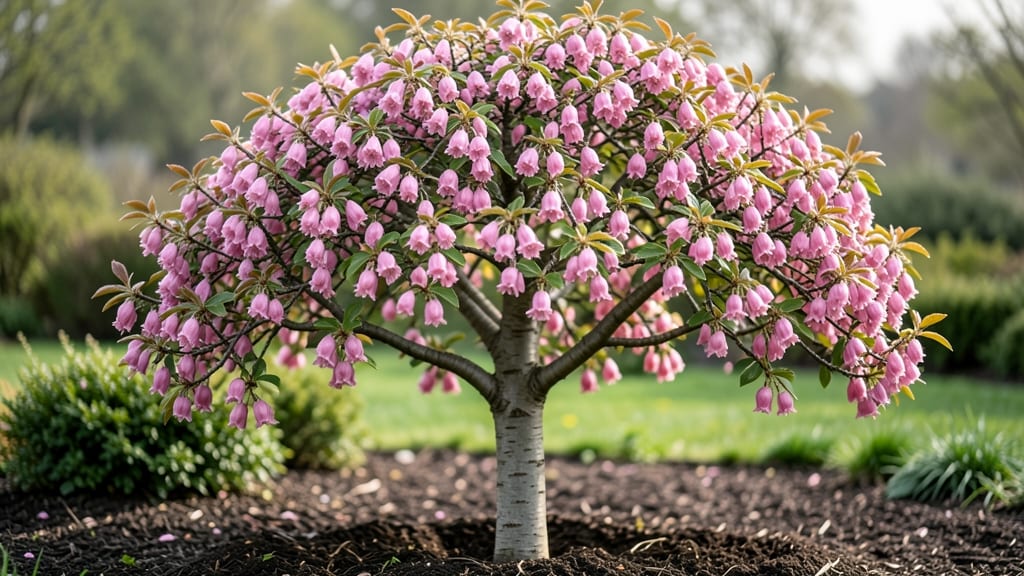
Your flowering pear tree’s pink spring blooms start with the right pruning timing and technique. ✨ I’ve turned underwhelming branches into a cloud of fragrant blossoms by mastering just three key cuts—each made at the perfect moment. The secret isn’t aggressive trimming—it’s strategic shaping.
Prune late winter to early spring (before buds swell) to encourage strong growth, then repeat lightly after blooming. Avoid heavy cuts in fall, or you’ll sacrifice next year’s flowers. My tree now bursts with color every March, and neighbors ask how I “do it.”
You’ll see thicker foliage, more blooms, and fewer bare spots within a season. The tree’s glossy leaves and disease resistance make it a low-maintenance star. Just remember: sharp tools and clean cuts prevent damage that invites pests. Works for urban yards, foundation plantings, or mixed borders.
Here’s exactly when and how to prune for that showstopping display.
📚 In This Guide
- What you need
- Instructions
- Tips and common mistakes
- Wrapping up and next steps
What you need
- ● Pruning shears: Sharp, bypass-style shears (for clean cuts on small branches). Size: 6–8 inches (15–20 cm).
- ● Loppers: For thicker branches (½–1½ inches / 1.3–4 cm in diameter). Look for: Ratchet-assisted or lever-action for ease.
- ● Pruning saw: Curved-tooth saw for branches over 1½ inches (4 cm) thick. Bonus: Lubricant to keep it smooth!
- ● Rubbing alcohol (70%+) or bleach solution: 1 part bleach to 9 parts water (to sterilize tools and prevent disease).
- ● Garden gloves: Heavy-duty, cut-resistant gloves (e.g., mechanics’ gloves or rose-pruning gloves).
- ● Ladder or step stool: Sturdy, non-slip (extendable ladder for taller trees). Safety first!
- ○ Disposable pruning bags or bucket: For collecting debris (optional but handy!).
- ● Weather check: Prune on a dry, calm day (avoid wind or rain). Best time: Late winter/early spring (just before buds swell).
- ● Tree health assessment: Inspect for diseased or dead branches (look for hollow spots, discoloration, or lack of bark).
- ○ Marking tools (optional): Colored spray paint or flags to tag branches for removal (helps with planning!).
- ● Compost bin: For repurposing pruned branches (great for mulch or nutrient-rich compost!).
Step-by-Step pruning guide for flowering pear trees
Here's how to shape your tree for maximum bloom potential—no guesswork, just proven techniques.
✂️ Step 1: Time Your Pruning for Optimal Growth
Prune your flowering pear tree during late winter or early spring, just as buds begin to swell but before new growth starts. This timing ensures you remove dead wood while preserving next season's bloom potential. Avoid pruning in fall—it leaves wounds vulnerable to disease during winter dormancy.
Watch for bud break—when you see tight, swollen buds along branches, that's your cue. If you prune too early, you risk cutting back next year's flowers. If you wait too long, you'll encourage excessive leafy growth at the expense of blossoms. I like to mark my calendar for February to early March in most climates.
✂️ Step 2: Remove Dead, Diseased, or Crossing Branches First
Start with sanitary pruning—cut out any branches that are dead, diseased, or broken at their point of origin. Use clean, sharp pruners to make 1/4-inch cuts just above a healthy bud or branch collar. Diseased wood should be bagged and disposed of immediately to prevent spread.
Next, remove crossing or rubbing branches—these create wounds that invite pests and diseases. Look for branches growing toward the center of the tree or rubbing against others. Make your cuts at a 45-degree angle just outside the branch collar. This encourages faster healing and prevents water from pooling in the wound.
✂️ Step 3: Thin the Canopy for Better Airflow and Light
Selectively thin the canopy by removing 15-20% of the smallest branches to improve airflow and sunlight penetration. Focus on sparse areas where branches are too close together. You'll see thicker, stronger growth in the coming seasons as light reaches more of the tree's interior.
Use the "third cut" method for larger branches: First, make an under-cut about 12-18 inches from the trunk. Then, cut above the under-cut from the top. Finally, remove the stub by cutting just outside the branch collar. This prevents tearing and ensures a clean wound. Avoid leaving stubs—they invite decay and weaken the tree.
✂️ Step 4: Shape for Balance and Bloom Potential
Step back and assess the tree's shape—aim for a natural, open center that allows light to reach all branches. Flowering pears bloom best when they receive full sun (6+ hours daily), so prune to maintain an open, vase-like structure. Remove any suckers growing from the base or trunk—they divert energy from blooms.
For young trees, focus on establishing a strong framework by pruning to 3-5 main scaffold branches. For mature trees, limit pruning to no more than 25% of the canopy in any one season. Over-pruning stresses the tree and reduces flowering potential. I like to prune every 2-3 years for mature specimens to maintain their shape without over-stressing them.
✂️ Step 5: Clean Up and Protect Your Tree
After pruning, sterilize your tools with rubbing alcohol or a 10% bleach solution to prevent disease transmission. Remove all pruned material from the area—leaving it on the ground invites pests and pathogens. Apply a wound dressing (like pruning sealant) only to large cuts over 1/2-inch in diameter—smaller wounds heal faster without it.
Finally, water deeply after pruning to help the tree recover. Monitor for new growth in spring—healthy branches will show bright green leaves and plentiful buds. If you notice yellowing leaves or sparse blooms, you may have pruned too aggressively. Adjust your approach for next year's pruning session.
Tips & tricks for perfect flowering pear tree pruning
Mastering the art of pruning your flowering pear tree transforms it from a mere shrub into a stunning spring spectacle. Here's what I've learned from years of shaping these beauties—tricks that make all the difference between a modest display and a breathtaking floral show.
Timing is Everything: The February to early March window is your golden opportunity, but don't rely solely on the calendar. Look for tight, swollen buds as your definitive cue—these indicate the tree is about to burst into growth. I've seen trees where pruning just a week too early meant sacrificing next year's blossoms, while waiting too long led to excessive leafy growth at the expense of flowers. Mark your calendar and double-check those buds before you start cutting.
Precision Cuts Prevent Problems: When removing branches in Step 2, that 1/4-inch cut above the branch collar isn't just a measurement—it's your insurance policy against disease. I've watched wounds from improper cuts turn into entry points for pests and pathogens. Always make clean cuts at a 45-degree angle for branches thicker than 1/2-inch, and never leave stubs. The cleaner the cut, the faster the tree heals and the less stress it experiences.
Canopy Thinning Strategy: That 15-20% guideline for thinning isn't arbitrary—it's the sweet spot between opening up the tree for sunlight and maintaining its structural integrity. I recommend starting with the smallest branches first, working your way up to thicker ones using the third-cut method. This approach prevents over-stressing the tree while maximizing airflow. Think of it as creating a natural ventilation system that keeps diseases at bay and promotes healthier growth throughout the canopy.
Seasonal Maintenance Matters: For mature trees, that 25% canopy limit per season is non-negotiable if you want vibrant blooms. I've seen gardeners push their luck and end up with trees that produce more leaves than flowers. Young trees need that framework of 3-5 main branches to develop properly, while mature specimens benefit from biennial pruning sessions. This staggered approach prevents shock while keeping your tree in peak flowering condition year after year.
Pro Tips for Flowering Pear Tree Pink
- Mastering the art of pruning your flowering pear tree transforms it from a mere shrub into a stunning spring spectacle.
- Timing is Everything: The February to early March window is your golden opportunity, but don't rely solely on the calendar.
- Precision Cuts Prevent Problems: When removing branches in Step 2, that 1/4-inch cut above the branch collar isn't just a measurement—it's your insurance policy against disease.
Frequently asked questions
Got questions about keeping your flowering pear tree pink thriving? Here are answers to the most common ones—so you can prune with confidence and enjoy those stunning spring blooms year after year!
When is the best time to prune a flowering pear tree for pink blooms?
The ideal time to prune is late winter or early spring (before buds swell but after the coldest months). This ensures you don’t cut off next year’s flower buds, which form on old wood. Avoid pruning in fall—it can stimulate late growth that’s vulnerable to frost damage. For pink flowering pears, timing is key to keeping those vibrant blooms abundant!
How much can I trim back a flowering pear tree without harming it?
You can safely remove up to 25% of the tree’s canopy in one season, but avoid over-pruning. Focus on thinning out crowded branches (especially those rubbing together) and removing dead or diseased wood. Never cut back more than 1/3 of the tree’s height—this can stress the tree and reduce flowering. Think of it as a light haircut, not a buzz cut!
Why aren’t my pink flowering pear blooms as vibrant as they used to be?
Dull or sparse blooms often mean over-pruning, nutrient deficiencies, or poor sunlight. Check if you’ve been pruning too aggressively (especially in summer). Also, ensure your tree gets full sun (6+ hours/day) and fertilize in early spring with a balanced, slow-release fertilizer. Yellow leaves? It might need iron or zinc!
Can I prune a young flowering pear tree the same way as a mature one?
Nope! Young trees (under 3 years old) need minimal pruning—just remove dead, crossing, or weak branches to shape the structure. Wait until the tree is 3–5 years old before doing heavier pruning. This gives it time to establish a strong framework for those show-stopping pink blooms later on.
Are there alternatives to flowering pear trees for pink spring color?
If you love pink blooms but want variety, consider:
- Japanese cherry blossom (Prunus serrulata) – Delicate pink flowers, but needs more space.
- Crabapple (Malus spp.) – Disease-resistant with clusters of pink blooms.
- Serviceberry (Amelanchier) – Pink flowers and edible berries!
- Magnolia (Magnolia stellata) – Early spring pink blooms with a fragrant twist.
Wrapping up and next steps
The flowering pear tree pink is a stunning addition to any landscape, and with the right pruning techniques, you’ll enjoy vibrant spring blooms for years to come. Remember to prune during dormancy, use sharp tools, and focus on open-center shaping to encourage healthy growth and abundant flowers.
Your efforts will reward you with a breathtaking display that brightens up your outdoor space! 🌸
Ready to transform your tree? Grab your tools, pick a calm day, and get started—your future pink paradise awaits! 🌱 Plan your pruning session today!