
Pruning
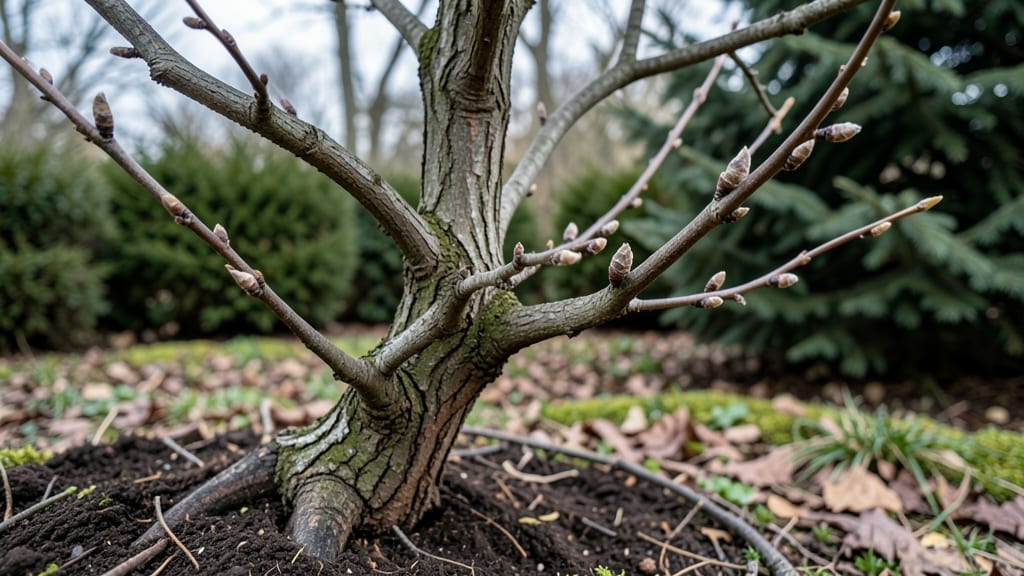
Pruning dormant tree branches in late winter reveals the tree's true structure—and sets the stage for a stronger spring. 🌳 I've learned the hard way that cutting too late or too aggressively can stress a tree, but the right cuts now mean fuller growth by June.
The key is timing, technique, and knowing which branches deserve the pruners.
First, distinguish dead branches (no bark, hollow centers) from dormant ones (bare but firm). Prune only when the tree is fully dormant—typically 2-3 weeks before buds swell—and use clean, sharp tools to avoid tearing bark.
Start with 3-inch cuts just outside the branch collar, where the branch meets the trunk, to prevent unsightly stubs.
You'll see new shoots emerge within 4-6 weeks, with thicker foliage by summer. Proper pruning also improves airflow, reducing disease risk and letting sunlight reach the lower branches. This is how you turn winter's bare limbs into a lush canopy by midsummer.
Works for fruit trees, shade trees, and even overgrown shrubs. Just avoid heavy pruning in late summer—it triggers tender new growth that won't harden off before frost. Let's get those branches looking intentional!
Natural Triggers Behind Dead Branches
Dormant tree branches that appear dead or lifeless aren’t always a sign of poor care—often, they’re a natural response to environmental and biological factors. Understanding these triggers helps you distinguish between branches that need pruning and those that may still hold potential for revival.
Here’s why your tree might be shedding dormant branches and what’s really going on beneath the bark.
Trees enter dormancy as a survival strategy during cold months, but extreme or abrupt temperature changes can accelerate branch dieback. Here’s how it works:
- Freeze-Thaw Cycles: Rapid fluctuations between freezing and thawing can rupture xylem (the tree’s water-conducting tissue), starving branches of nutrients. This is especially common in deciduous trees like oaks or maples, where sap flow slows dramatically in winter.
- Late-Freeze Damage: Buds and cambium (the growth layer under bark) are vulnerable to late spring frosts. If flowers or leaves emerge before the last frost, they can’t photosynthesize, causing the branch to abscise (separate naturally) to conserve energy.
- Drought Stress: Even in winter, dry soil can dehydrate branches. Evergreens like pines or spruces are particularly susceptible because they don’t shed needles to conserve water.
Actionable Tip: 🌡️ Mulch heavily around the base in late fall to insulate roots, and water deeply before the first hard freeze if your area experiences dry winters. Avoid pruning in late winter—wait until early spring when the tree is actively growing.
Fungal, bacterial, or viral infections can turn branches dormant by blocking nutrient transport. These pathogens often exploit stress points (like wounds or weak growth) to spread:
- Fungal Infections (e.g., Armillaria, Cytospora): Fungi like Armillaria root rot clog vascular tissue with mycelium, preventing water and sugar movement. Look for:
- Black streaks under bark (sign of Cytospora canker)
- Mushrooms at the base (a red flag for Armillaria)
- Sudden wilting even in healthy-looking branches
- Bacterial Diseases (e.g., Pseudomonas syringae): Bacteria can create gummy, oozing cankers that girdle branches, cutting off circulation. Common in stone fruits (peaches, cherries) and willows.
- Viral Spread: Viruses like Apple Mosaic Virus rarely kill branches outright but weaken them, making them prone to secondary infections.
Actionable Tip: ✨ Sterilize pruning tools with 70% isopropyl alcohol or a 10% bleach solution between cuts to prevent spreading pathogens. Remove infected branches at least 6 inches below the visible damage—disease often hides deeper than it appears.
Branches may appear dormant if the tree lacks critical nutrients to sustain them. Soil imbalances or depletion can lead to:
- Nitrogen Deficiency: Leads to pale, yellowing leaves and stunted growth. Since nitrogen is mobile in plants, older branches often show symptoms first.
- Potassium or Phosphorus Shortages: These are immobile nutrients, meaning they don’t move to new growth. A deficiency causes weak, brittle branches that die back prematurely.
- Micronutrient Deficits (e.g., Magnesium, Zinc): Even small deficiencies can disrupt photosynthesis, leading to interveinal chlorosis (yellowing between leaf veins) and eventual branch death.
- Compacted or Waterlogged Soil: Roots can’t absorb oxygen or nutrients, causing anoxia (oxygen starvation) in branches.
Actionable Tip: 💡 Test your soil in early spring (before pruning) to identify deficiencies. Amend with compost or a balanced fertilizer (e.g., 10-10-10) and consider deep root aeration if soil is compacted. For evergreens, a slow-release iron supplement can help with chlorosis.
Insects and borers can hollow out branches, creating dead zones. Some pests target specific tree types:
- Emerald Ash Borer (_EAB_): Larvae tunnel under bark, disrupting the phloem (sugar-transport tissue). Infested branches often split easily and have D-shaped exit holes.
- Gypsy Moth Caterpillars: Defoliate trees, forcing them into survival mode. Repeated attacks weaken branches, leading to dieback.
- Sap-Sucking Insects (e.g., Aphids, Scale): While they don’t kill branches directly, their honeydew attracts sooty mold, which blocks sunlight and smothers leaves.
- Woodpecker Damage: While not a pest, woodpeckers excavating for grubs can create wounds that invite fungal infections.
Actionable Tip: 🔪 Inspect branches for frass (sawdust-like droppings), egg masses, or unusual holes. Apply beneficial nematodes for soil-dwelling larvae or use systemic insecticides (like imidacloprid) for borers—but only as a last resort, as overuse harms pollinators.
Pro Tip: Not all dormant branches are dead! Use the “Scratch Test” in late winter: Scrape a small section of bark. If green cambium is visible, the branch may still be alive—prune cautiously. If it’s brown and dry, it’s safe to remove.
Fixing Dead Branches for Renewed Growth
Now that you understand why dormant branches appear, it’s time to take action! Pruning dead or dormant branches isn’t just about tidying up—it’s a strategic way to encourage healthier growth and prevent future issues.
Below, we’ll break down the best solutions based on the root cause, along with easy-to-follow steps and prevention tips to keep your trees thriving.
If a branch is completely dead (no green leaves, brittle wood, or hollow centers), it’s best to remove it entirely to avoid pests or disease spreading.
📌 Steps to Remove Dead Branches:
- 🔍 Identify the Dead Branch – Check for signs like lack of bark, no leaves, or a hollow sound when tapped.
- 🪓 Use the Right Tools – A sharp bypass pruner or small handsaw works best. Avoid dull tools that can tear the bark.
- 📏 Cut at the Branch Collar – Locate the swollen area where the branch meets the trunk. Make a clean cut just outside the collar (the raised ring of tissue) at a slight angle.
- 🌱 Dispose Properly – Burn or bag dead branches to prevent fungal spread.
💡 Pro Tip: If the branch is large, consider hiring a professional to avoid damaging the tree.
If the branch is still alive but dormant (no leaves in winter but shows signs of life in spring), strategic pruning can encourage new growth.
📌 Steps to Encourage Growth:
- ⏰ Time It Right – Prune dormant branches in late winter or early spring before new buds swell.
- 🌿 Selective Trimming – Remove only 15-25% of the canopy to avoid stressing the tree.
- 🎯 Cut Back to a Bud – Make cuts just above an outward-facing bud to promote growth in the right direction.
- 🌞 Ensure Proper Airflow – Thin out dense branches to reduce disease risk and improve sunlight penetration.
💡 Pro Tip: Avoid heavy pruning in fall—it can stimulate late-season growth that won’t harden off before winter.
If a branch is diseased (fungal spots, oozing sap) or physically damaged (cracks, splits), immediate action is needed.
📌 Steps for Disease or Damage:
- 🧼 Sterilize Tools – Wipe pruners with rubbing alcohol to prevent spreading pathogens.
- 🔪 Make a Clean Cut – Remove the entire branch back to healthy wood. If the trunk is infected, cut deeper into the healthy tissue.
- 🌿 Seal Large Wounds (If Needed) – For trunk wounds over 2 inches, apply tree wound sealant to protect against pests.
- 🗑️ Dispose of Infected Branches – Burn or bag them separately to prevent reinfection.
💡 Pro Tip: If the tree is heavily infected, consult an arborist to assess whether it’s worth saving.
The best way to handle dormant branches is to avoid them in the first place! Here’s how:
- 💧 Water Deeply in Droughts – Keep roots hydrated to support branch vitality.
- 🌱 Fertilize in Early Spring – Use a slow-release, balanced fertilizer to boost growth.
- 🌿 Mulch Properly – Apply 2-3 inches of mulch around the base (but not touching the trunk) to retain moisture.
- 🐛 Monitor for Pests Early – Check for signs of borers, aphids, or fungal growth before they spread.
- 🌳 Prune Regularly – Conduct light maintenance pruning every 2-3 years to remove weak branches before they become problems.
By following these steps, you’ll not only revive dormant branches but also set your trees up for stronger, more vibrant growth come spring! 🌿✨
Frequently asked questions
How can I tell if a dormant branch is dead or just sleeping?
Use the scratch test in late winter: Scrape a small section of bark. If you see green cambium (the growth layer), the branch is alive. If it's brown and dry, it's dead. Also check for hollow centers when tapped—dead branches sound hollow, while live ones feel solid.
Is it safe to prune dormant branches in winter?
Yes, but only when the tree is fully dormant (2-3 weeks before buds swell). Winter pruning prevents disease spread and lets you see the tree's structure clearly. Avoid pruning in late winter—wait until early spring when sap starts flowing.
What's the best way to cut a dormant branch without damaging the tree?
Make clean cuts just outside the branch collar (the swollen area where the branch meets the trunk) at a 45-degree angle. Use sharp bypass pruners for small branches and a pruning saw for larger ones. Never leave stubs—this invites decay.
Can pruning dormant branches help my tree grow faster?
Not directly—pruning removes deadweight and redirects energy to healthier branches. For faster growth, focus on selective thinning (removing only 15-25% of the canopy) and proper fertilization in early spring. Over-pruning stresses trees and slows growth.
What should I do with the branches after I prune?
Dispose of dead/diseased branches immediately by burning or bagging them. Healthy pruned branches can be chopped for firewood or mulch. Never leave cut branches piled near the tree—they can harbor pests and diseases.