
Pruning
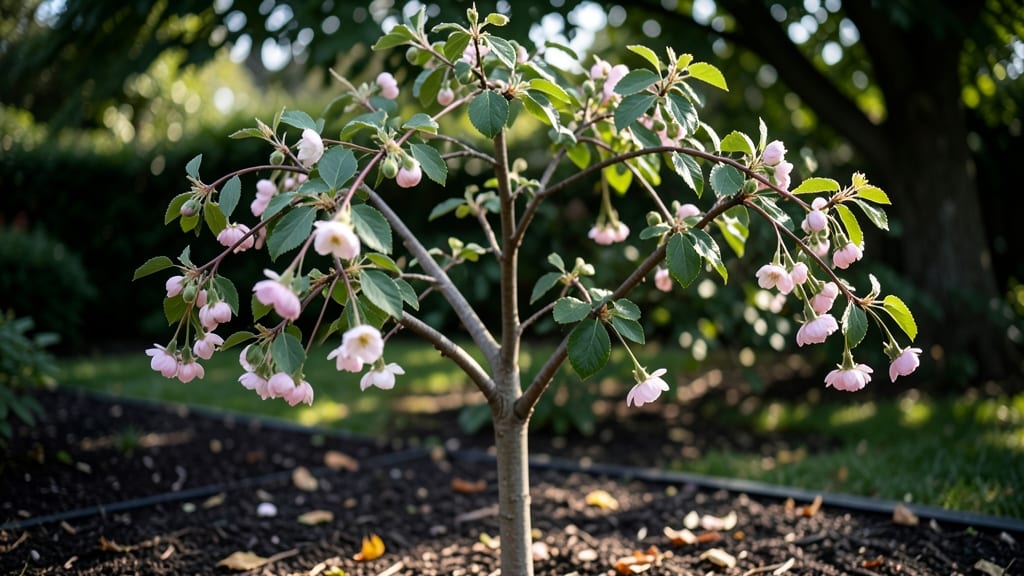
Young crabapple trees need the right pruning to become sturdy, blooming showstoppers—not just another scraggly backyard shrub. ✂️ I’ve watched my own young crabapple go from a tangled mess to a strong, flowering tree in just two seasons by focusing on three key cuts: removing dead wood, opening up the center for sunlight, and shaping the branches to prevent future breakage.
The first year is all about establishing structure, not perfection. Use sharp pruners to make clean cuts just above outward-facing buds, and limit yourself to no more than 25% of the tree’s total branches—over-pruning stresses young trees.
For varieties like ‘Adirondack’ or ‘Dolgo,’ prioritize blooms by thinning crowded branches early, while fruiting types need slightly different shaping to support fruit weight.
What you’ll end up with is a tree that grows 12-18 inches per year with a strong central leader and open canopy—ready for spring blooms and summer shade. The key is timing: prune in late winter before buds swell, and repeat lightly in summer if needed to control growth.
This method works for both ornamental and fruiting crabapples, though fruiting types may need extra support as they mature.
Here’s the thing—most gardeners skip the summer pruning, and that’s when trees start developing weak branches. A quick check in June to remove any water sprouts or crossing limbs keeps your young crabapple on track for a lifetime of blooms.
Start now, and you’ll thank yourself in five years when your tree is covered in blossoms.
📚 In This Guide
- What you need
- Instructions
- Tips and common mistakes
- Wrapping up and next steps
What you need
- ● Pruning shears: Bypass pruners (sharp, 6–8" blades) for small branches (under ½ inch thick). Pro tip: 💡 Sanitize blades with rubbing alcohol before and after use to prevent disease spread!
- ● Loppers: 1 pair (8–10" blade) for branches ½–1½ inches thick.
- ● Pruning saw: 1 handheld saw (8–10" curved blade) for thicker branches (1½+ inches). Look for: 🎯 Non-serrated teeth for clean cuts.
- ● Gloves: 1 pair of heavy-duty gardening gloves (cut-resistant for safety).
- ● Ladder: Extendable or step ladder (if tree exceeds 6 feet tall). Safety first: 🌡️ Use stabilizers and never overreach!
- ● Disposable pruning bags: 2–3 bags (13-gallon capacity) for collecting debris.
- ● Rubbing alcohol (70%+) or bleach solution: 1 small bottle for tool sanitation.
- ○ Pruning sealant (optional):strong> 1 small tube (for sealing cuts larger than ½ inch).
- ● Weather check: Prune on a dry, cloudy day (avoid wind or rain).
- ● Tree identification: Confirm it’s a young crabapple (Malus spp.)—look for small, round fruit or spring blooms!
- ● Safety gear: Safety glasses (1 pair) and long sleeves/pants to protect from thorns.
- ● Cleanup supplies: Trash bags (2–3) for non-compostable debris.
- ● Handheld leaf blower: For quick debris removal.
- ● Tree growth regulator: 1 bottle (e.g., BioNeem or horticultural oil) to promote healthy regrowth.
- ● Notebook & pen: To sketch your pruning plan or track progress.
- ● Knee pads: For comfort during ground-level pruning.
Step-by-step pruning guide for young crabapple trees
Here's how to shape your young crabapple into a sturdy, flowering powerhouse.
✂️ Step 1: Identify the Right Time to Prune
Prune your young crabapple tree during late winter or early spring, just before buds swell but before new growth starts. This timing prevents disease spread and encourages strong spring blooms. Avoid pruning in fall—it invites fungal infections that weaken young trees. I always check my local frost dates and schedule pruning 4-6 weeks before last frost.
Look for dormant buds along branches—they'll appear as small, plump swellings. When you see these but no leaves have emerged yet, that's your window. If you miss it, wait until after flowering but before summer heat sets in. Young trees need careful attention—don't rush the timing.
🌿 Step 2: Remove Dead, Damaged, or Crossing Branches First
Start by scanning the tree for any branches that are dead, broken, or rubbing against others. These compete with healthy growth and create entry points for pests. Use sharp, clean pruning shears to make 45-degree cuts just outside the branch collar—the swollen area where the branch meets the trunk. I always disinfect my tools with rubbing alcohol between cuts to prevent disease spread.
Remove any branches growing straight upward—these are called "water sprouts" and they steal energy from flowering branches. Cut these back to a lateral branch or bud. Watch for branches crossing the center of the tree; these will rub and create wounds. Your goal is to create an open center with good air circulation.
☀️ Step 3: Shape the Tree's Natural Form
Young crabapple trees benefit from a modified central leader form—one main trunk with evenly spaced scaffold branches. Select 3-5 well-spaced branches to become your main limbs, cutting others back to a lateral bud or branch. Make cuts just above an outward-facing bud to encourage growth in the right direction. I like to visualize the tree as an open vase shape with branches spreading outward.
Never remove more than 25% of the tree's foliage in one year—this stresses young trees. If you're unsure, step back and look at the tree's overall shape from all sides. The goal is to maintain its natural form while improving structure. You'll see stronger branches and better bloom displays in spring as a result.
⏰ Step 4: Clean Up and Monitor Recovery
After pruning, rake up all debris from under the tree and dispose of it—this prevents disease spores from overwintering. Apply a 2-3 inch layer of mulch around the base (keeping it 6 inches away from the trunk) to retain moisture and protect roots. Water deeply to help the tree recover from the stress of pruning.
Watch the tree closely over the next 4-6 weeks for new growth. Healthy new shoots should appear within that time. If you notice oozing sap at pruning cuts, don't worry—it's normal. Just keep the area clean. For the first year after pruning, avoid heavy fertilizing—your tree needs to focus on healing and establishing new growth.
Tips & tricks for pruning young crabapple trees
Here's what nobody tells you about pruning that'll make your young crabapple thrive for years to come.
Timing is Everything: I learned this the hard way after pruning a young tree in fall—it took two seasons to recover from the fungal infection. The 4-6 weeks before last frost window is critical because it lets the tree heal before spring growth begins. Check for those plump dormant buds (they should feel like tiny marbles) and avoid pruning once leaves start emerging. If you miss the window, wait until after flowering but before summer heat sets in.
The 45-Degree Cut Secret: When you make those 45-degree cuts outside the branch collar, you're not just removing branches—you're preserving the tree's natural healing ability. I always mark my cuts with a pencil first to visualize where the collar sits. Use sharp tools and make clean cuts; jagged edges invite disease. For branches thicker than your thumb, consider using a three-cut method to avoid tearing the bark.
Visualizing the Vase Shape: The modified central leader form might sound technical, but think of it as creating an open vase. Step back frequently and imagine light filtering through the center—you want branches spaced so sunlight reaches all parts of the canopy. I like to sketch a rough outline on paper first, marking where I'll make cuts. This prevents over-pruning, which stresses young trees and can reduce next year's blooms.
Recovery Checklist: After pruning, I always do this: rake up every scrap of debris (disease spores love hiding there), apply that 2-3 inch mulch layer (but keep it 6 inches from the trunk), and water deeply. The 4-6 week recovery period is when you'll see if your pruning worked—look for fresh green shoots emerging from the pruned areas. If you don't see new growth, you may have been too aggressive with cuts.
Pro Tips for Crabapple Tree Young
- Here's what nobody tells you about pruning that'll make your young crabapple thrive for years to come.
- Timing is Everything: I learned this the hard way after pruning a young tree in fall—it took two seasons to recover f...
- The 45-Degree Cut Secret: When you make those 45-degree cuts outside the branch collar, you're not just removing bran...
Frequently asked questions
Got questions about nurturing your young crabapple tree? Here are answers to common concerns—from pruning timing to troubleshooting issues—so you can keep your tree thriving!
When is the best time to prune a young crabapple tree?
The ideal time to prune a young crabapple tree is late winter or early spring (before buds swell but after the worst cold snaps). This timing promotes healthy growth and minimizes stress. Avoid pruning in fall, as it can encourage new growth that may not harden off before winter. Pro tip: If you must prune in summer, do it early to avoid disrupting flowering cycles.
How much should I trim off a young crabapple tree?
For a young crabapple tree (under 3 years old), aim to remove no more than 25% of the total foliage in a single pruning session. Focus on:
- Dead, diseased, or crossing branches
- Suckers at the base
- Water sprouts (fast-growing vertical shoots)
What if my young crabapple tree isn’t blooming?
Young crabapple trees (often 3–5 years old) may not bloom yet—patience is key! Ensure it gets:
- Full sun (6+ hours daily)
- Well-draining soil
- Regular watering (deep but infrequent)
Are crabapple trees prone to pests or diseases?
Yes, young crabapple trees can attract aphids, borers, or fungal diseases like apple scab. Prevent issues by:
- Pruning for airflow (remove dense branches)
- Cleaning up fallen fruit/petals
- Applying neem oil or copper fungicide if needed
Can I grow a crabapple tree in a container?
While possible, crabapple trees are not ideal for containers due to their size (most reach 20–30 feet tall). If you must try it:
- Use a large, sturdy pot (50+ gallons) with drainage holes
- Choose a dwarf variety (e.g., ‘Adirondack’)
- Repot every 2–3 years and prune roots annually
Wrapping up and next steps
Growing a young crabapple tree into a vibrant, healthy specimen is all about patience, proper care, and smart pruning! 🌱 By mastering the basics—like removing dead branches, shaping for airflow, and encouraging strong blooms—you’ll set your tree up for years of beauty.
Remember, every cut is a step toward a thriving tree, so don’t hesitate to roll up your sleeves and get started.
Ready to take the next step? Mark your calendar for seasonal pruning sessions and keep an eye on your tree’s progress. With time and care, your young crabapple will reward you with stunning blossoms and lush foliage—one strategic trim at a time!