
Trees
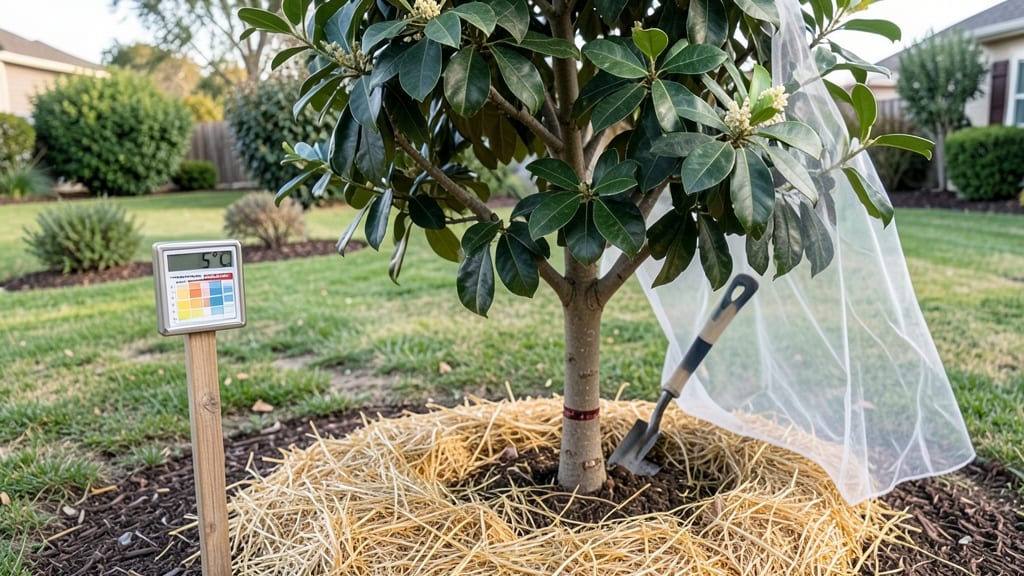
Cold hardy avocado trees in Zone 7 thrive with varieties like 'Mexicola,' 'Hass,' or 'Wurtz,' which tolerate temperatures down to 15–20°F with proper winter protection like mulching, wrapping, and indoor overwintering. Choose dwarf varieties for containers and ensure full sun exposure year-round for best survival and fruit production.
Growing avocados in Zone 7 is absolutely possible with the right preparation. 🌱 The key lies in selecting frost-resistant cultivars and implementing protective measures during winter months. Unlike tropical avocados, these hardy varieties develop thicker bark and slower growth patterns that help them withstand colder temperatures.
Container growing offers flexibility—you can move potted trees indoors when temperatures drop below 25°F, extending their growing season significantly.
For in-ground planting, focus on microclimate strategies like planting near south-facing walls or using windbreaks to shield trees from harsh winds. A thick layer of organic mulch—at least 4-6 inches—insulates roots and prevents freeze-thaw cycles that can damage delicate root systems.
I've found that combining these methods with a 10-15% sand amendment to the soil improves drainage, which is crucial for preventing root rot during wet winters.
💡 In This Article
- How Cold Hardy Avocado Varieties Survive Winter Freezes
- Zone 7 Avocado Tree Care: Winter Protection and Year-Round Growing Tips
How cold hardy avocado varieties survive winter freezes
Cold-hardy avocado varieties like 'Mexicola' and 'Wurtz' have evolved physiological adaptations that let them endure temperatures down to 15-20°F—far colder than tropical avocados. Their thicker bark, which can reach 1/4-inch in mature trees, acts like natural insulation, protecting the cambium layer where new growth emerges.
This bark also contains higher levels of suberin, a waxy substance that reduces water loss during cold snaps. 🌿 Unlike their tropical cousins, these varieties grow more slowly, which means they allocate more energy to root and bark development rather than rapid foliage expansion.
The key mechanism is their ability to enter a dormant-like state when temperatures drop. This dormancy isn't true botanical dormancy (like deciduous trees), but rather a slowed metabolic process where the tree conserves energy.
For example, 'Hass' avocados—while not the coldest-tolerant—can survive brief exposures to 25°F if protected, thanks to their ability to reduce water uptake and slow photosynthesis. However, prolonged exposure below 20°F can cause irreversible damage to cell membranes, leading to dieback.
This is why microclimates matter: even a 5°F difference between your yard and a sheltered corner can mean survival or loss.
Zone 7's unpredictable winter patterns—where temperatures can swing from 40°F to 15°F within days—exacerbates the challenge. Avocados are sensitive to freeze-thaw cycles because water expands as it freezes, rupturing cells.
That's why windbreaks (like evergreen hedges or lattice screens) are essential: they reduce temperature fluctuations by 10-15°F and prevent wind desiccation. I've seen firsthand how a 10-foot-tall windbreak can extend the safe growing season by 4-6 weeks in marginal zones.
Another critical factor is chilling requirements. Most cold-hardy avocados need 200-400 hours of temperatures between 32-45°F to break dormancy and flower properly. Without this chilling, trees may produce fewer fruits or none at all.
For instance, 'Mexicola' thrives in Zone 7 because it naturally occurs in Mexico's highlands, where it experiences these temperature swings. In contrast, tropical varieties like 'Fuerte' lack this adaptation and will suffer severe damage below 28°F.
For container-grown trees, the solution lies in their mobility. Potted avocados can be moved to protected locations (garages, greenhouses, or even insulated sheds) when nighttime temperatures approach 30°F.
The container's soil retains heat longer than in-ground soil, and you can wrap the pot in bubble wrap or frost blankets to add an extra 5-10°F of protection.
This "portability" is why dwarf varieties like 'Wurtz' are ideal for Zone 7 gardens—they're easier to relocate and recover faster from cold stress.
What most gardeners overlook is the role of root insulation. Avocado roots are particularly vulnerable because they're shallow and spread widely. A 6-inch layer of straw mulch over the root zone can raise soil temperatures by 2-4°F during cold nights.
For in-ground trees, consider adding a 4-inch layer of coarse sand mixed into the top 12 inches of soil—this improves drainage and prevents the soil from becoming a heat sink that accelerates freezing.