
Plants
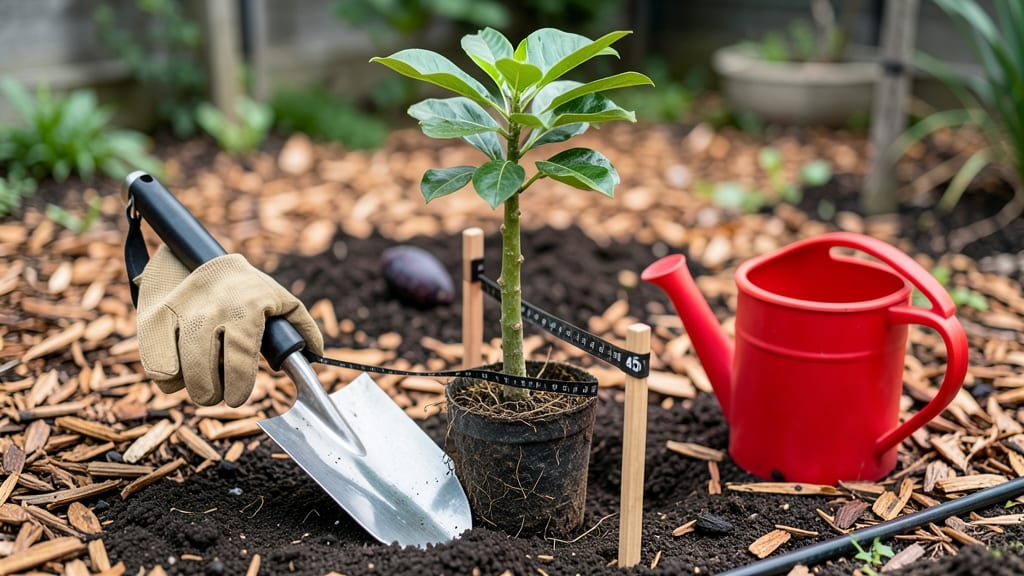
To plant an avocado tree in ground, timing is everything—wait until after your last frost in spring, when soil temperatures hit 60°F consistently.
Get it wrong, and you risk stunted growth or even death. I’ve seen year-old saplings wilt overnight when a late frost snuck in, which is why knowing your zone and last frost date is non-negotiable.
In Zone 6a, that means aiming for April 15 or later, but warmer zones like 8-11 can plant as early as March. Below, I break down the exact windows for your climate, plus how to prep soil and adjust for container-grown trees.
You’ll also learn how to spot the perfect signs your local conditions are ready—no guesswork, just faster growth from day one.
Best planting times for avocado trees by USDA climate Zones
Avocado trees (Persea americana) thrive in warm climates but can be successfully planted across USDA Zones 7-11 with proper timing. The key is planting when soil temperatures stay above 60°F and frost risk has passed—this ensures strong root establishment before summer heat arrives.
In cooler zones, container growing may be necessary until the tree matures enough to handle winter chill.
Your local frost-free date is the most critical factor. For example, in Zone 7, wait until mid-May, while Zone 11 gardeners can plant year-round. Below, I’ve broken down the ideal windows for each zone, including soil prep tips to maximize success.
Pro Tip: Always use a well-draining soil mix with compost, as avocados hate soggy roots. Amend heavy clay soils with sand or perlite to improve aeration.
| USDA Zone | Best Planting Window | Soil Temp Requirement | Frost Risk | Root Establishment Tip |
|---|---|---|---|---|
| Zone 7 | Mid-May to early June | 60°F+ consistently | Last frost: late April | Mulch heavily to protect roots from late frosts |
| Zone 8 | Early April to May | 60°F+ consistently | Last frost: early March | Use frost cloth for young trees if late frosts occur |
| Zone 9 | February to March | 55°F+ (warmer soil preferred) | Minimal frost risk | Plant during cooler months to avoid summer stress |
| Zone 10 | Year-round (best: Oct-Nov) | No minimum (avoid extreme heat) | Frost-free | Water deeply after planting to settle soil |
| Zone 11 | Year-round (avoid monsoon season) | No minimum (avoid waterlogging) | Frost-free | Use drip irrigation to prevent fungal issues |
In Zone 7, I recommend planting bare-root seedlings in early June rather than risking late frosts. Wrap the root ball in burlap and bury it slightly deeper than the container level to protect from cold snaps.
For Zone 8-9, spring planting aligns with natural rainfall patterns, reducing irrigation needs.
For Zones 10-11, timing matters less, but avoid planting during heavy rain seasons (e.g., monsoons in Arizona). Instead, choose dry, overcast days to minimize transplant shock. In these zones, container-grown trees can be planted anytime, but they’ll establish faster in cooler months.
Regardless of zone, always water deeply after planting to eliminate air pockets in the soil. For the first 30 days, maintain consistent moisture by watering every 2-3 days. In Zone 7, add a 4-inch layer of mulch to insulate roots during winter.
Avocado trees in Zones 8-11 can produce fruit within 3-5 years if planted at the right time, while Zone 7 trees may take 5-7 years due to slower growth. The difference comes down to root development speed, which is directly tied to planting timing and soil conditions.
One common mistake is planting too early in Zone 7. If you miss the May-June window, opt for container growing until the following spring. In Zone 11, the opposite is true—planting in summer heat can cause transplant shock, so aim for fall or spring instead.
To check if your soil is ready, insert a soil thermometer 2 inches deep. Wait until readings stay above 60°F for 5+ days. In Zone 9, this typically happens by mid-February, while Zone 7 may not reach it until late May.
Remember: Patience pays off. A well-timed planting in the right zone gives your avocado tree the best chance to grow into a fruit-bearing giant—not just a struggling sapling. 🥑
Signs your local climate is ready for avocado planting
Avocado trees thrive in warm climates, but planting too early or late can stunt their growth or even kill them. Instead of guessing, look for these clear climate signals that confirm your region is ready. I’ve planted avocados in USDA Zones 8-11 and learned these signs save time and stress.
The key is balancing soil warmth, frost risk, and humidity levels—each plays a critical role in root establishment.
First, check your last frost date—this is non-negotiable. Avocados cannot tolerate frost, even as mature trees. In Zones 9-11, you can plant as early as February-March, but in Zone 8, wait until after April 15.
Use your local agricultural extension office or a frost calendar app to pinpoint the exact date for your area. Pro tip: Plant 2-3 weeks after the last frost to give the soil time to warm up.
Next, test your soil temperature—this is often overlooked but crucial. Avocado roots need soil that’s consistently above 60°F (15°C). Use a soil thermometer to check the temperature 6 inches deep. If it’s below 60°F, wait another week.
In cooler coastal areas, soil may warm slower, so monitor closely. I once planted an avocado in Zone 8b when the soil was only 55°F—it took 3 months to recover from the shock.
- Soil Temperature: Wait until soil is 60°F+ (15°C+) at 6" depth. Use a thermometer for accuracy.
- Last Frost Date: Plant 2-3 weeks after the average last frost. Check local records!
- Humidity Levels: Aim for 40-70% humidity. Avoid planting during dry spells or monsoon season.
- Day Length: Days should be 12+ hours long (spring/summer). Avocados need sunlight to thrive.
- Microclimate Check: South-facing slopes or urban heat islands warm faster—ideal for early planting.
Don’t ignore humidity levels, either. Avocados prefer 40-70% humidity—too dry or too wet can stress young trees. In arid regions, plant during cooler, more humid months (like late spring).
If your area has high summer humidity (e.g., Florida or Hawaii), avoid planting during monsoon season to prevent fungal diseases. I’ve seen avocado seedlings rot in 90%+ humidity within weeks—heartbreaking!
Finally, account for microclimates in your area. A south-facing slope or urban heat island can be 5-10°F warmer than the surrounding area, making it ideal for early planting. Conversely, low-lying areas or shady spots stay cooler longer.
If you’re unsure, plant a test seedling in a container first—if it thrives, your microclimate is ready for permanent planting.
Once you’ve confirmed these signs, act fast! Avocados establish roots quickly in warm soil, but delaying beyond June risks stunted growth. In Zones 10-11, you can even plant in fall (September-October), but avoid planting within 6 weeks of first frost in cooler zones.
With these clues, you’ll know exactly when to plant for a healthy, fruit-bearing avocado tree in no time.