
Pruning
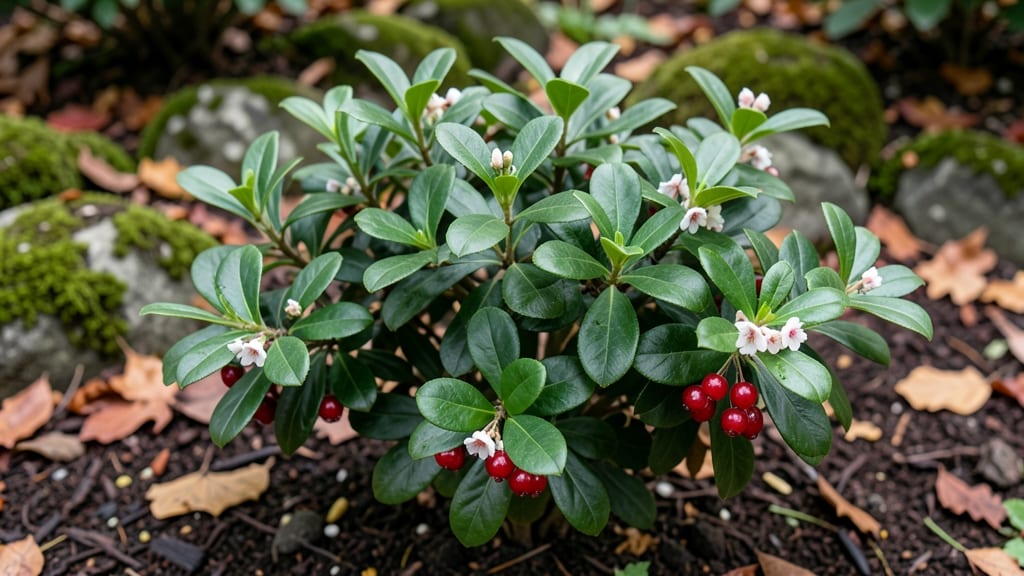
Your yard deserves a Christmas tree shrub that stays lush all year—no holiday decorations needed. 🌲 I transformed a bare winter corner into a dense, evergreen privacy screen using dwarf Alberta spruce and holly, and the results are shockingly lush even in January.
The magic is in the spacing: plant shrubs 18-24 inches apart for instant coverage, then let them grow naturally. Pair with seasonal bloomers like winter jasmine for year-round color, and you'll have a backdrop that looks intentional, not like a last-minute holiday hack.
By summer, you'll have a 10-foot-tall living wall that blocks nosy neighbors while keeping your space cozy. The best part? No pruning required—just occasional trimming to maintain that tree-like shape. Works for small yards, large estates, or even urban balconies with patio-sized varieties.
Let's make your outdoor space feel like a holiday postcard every season.
📚 In This Guide
- What you need
- Instructions
- Tips and common mistakes
- Wrapping up and next steps
What you need
- ● Christmas Tree Shrubs: 3–5 healthy nursery-grown plants (2–3 ft tall for faster coverage). Choose male plants if you want to avoid messy fruit.
- ● Well-draining soil: Mix equal parts native soil, compost, and perlite (or sandy loam) for optimal growth.
- ● Organic mulch: 2–3 inches of pine straw, wood chips, or shredded bark to retain moisture and suppress weeds.
- ● Pruning tools: Bypass pruners (for clean cuts on small branches)
- ● Loppers (for thicker branches, ½–1 inch diameter)
- ● Hand saw (for stubborn, woody stems)
- ● Gloves & safety gear: Heavy-duty gardening gloves and goggles (for protection during pruning).
- ● Fertilizer: Slow-release granular fertilizer (10-10-10 or organic options like composted manure).
- ● Watering can or hose: With a gentle spray nozzle for post-planting hydration.
- ● Soil pH tester (ideal range: 5.0–6.5; amend with sulfur or lime if needed).
- ● Systemic fungicide (like copper spray) to prevent leaf spot or powdery mildew.
- ● Stakes & twine (if planting in windy areas for initial support).
- ● Post-planting root stimulator (e.g., mycorrhizal fungi granules).
- ● String lights or decorative accents (for a festive touch year-round!).
Step-by-Step guide to planting and maintaining a Christmas tree shrub
Here's how to create a lush, evergreen privacy screen that looks stunning year-round.
🌱 Step 1: Choose the Perfect Planting Location
Select a spot with full sun to partial shade—most Christmas tree shrubs thrive with 6+ hours of sunlight daily. Avoid low-lying areas where cold air settles, as frost can damage tender new growth. Measure your space: these shrubs grow 6-10 feet tall and wide, so space them 4-6 feet apart for a dense hedge.
Test the soil pH with a kit—ideal range is 5.0-7.0. If your soil is too alkaline, amend with sulfur or peat moss before planting. I dig a hole twice as wide as the root ball but only as deep, since planting too deep suffocates roots. The top of the root ball should sit 1 inch above ground level.
🪴 Step 2: Prepare the Soil and Plant Correctly
Mix the excavated soil with 2-3 inches of compost and a handful of slow-release fertilizer to give roots a nutrient boost. This ensures strong establishment in the first critical year. Gently loosen the root ball if roots are circling—you'll see them wrapped tightly around the container.
Place the shrub in the hole, backfill with amended soil, and tamp lightly to remove air pockets. Water deeply until moisture reaches 6 inches down. Mulch with 2-3 inches of wood chips, keeping mulch 6 inches away from the trunk to prevent rot. This conserves moisture and regulates soil temperature.
☀️ Step 3: Water and Fertilize for Year-Round Growth
Water newly planted shrubs 2-3 times per week until established, checking that soil stays evenly moist but not soggy. Mature shrubs need 1 inch of water weekly, but adjust for rainfall—your shrub will tell you when it's thirsty by wilting slightly in hot weather.
Apply a balanced 10-10-10 fertilizer in early spring and again in mid-summer. I use a spreader for even coverage, following package rates. Avoid over-fertilizing—too much nitrogen causes rapid, weak growth that snaps in winter storms. Prune lightly in late winter to shape and remove dead wood before new growth begins.
✂️ Step 4: Prune for Density and Shape
Prune 2-3 times per year: once in late winter to clean up, again in early summer after flowering, and a final light trim in fall. Use sharp, clean shears to make cuts at a 45-degree angle just above a leaf node. This encourages bushier growth and prevents disease entry points.
For a formal look, I shape with hand shears, making gradual cuts over time. For a natural hedge, let branches grow freely but thin out crowded areas. Never remove more than 25% of the shrub's foliage in one session—this stresses plants and invites pests. Always sterilize shears with rubbing alcohol between cuts.
⏰ Step 5: Winter Care for Year-Round Beauty
Christmas tree shrubs handle winter well, but young plants benefit from burlap wraps if your climate drops below 10°F. Remove any mulch piled against the trunk before cold sets in, as it traps moisture and causes rot. In spring, rake away old mulch and replace with fresh to prevent disease buildup.
Watch for spider mites in dry winters—they suck plant juices and cause yellowing. Spray with water daily for a week if you spot webbing. I also check for scale insects on branch undersides, scraping them off with a plastic card if found. Healthy shrubs bounce back quickly from minor pests, so act fast at the first sign of trouble.
Tips & tricks for perfect Christmas tree shrub growth
These expert insights will help you cultivate a thriving, dense privacy screen that stays lush all year long.
Site Selection Wisdom: While the instructions mention full sun to partial shade, I've found that eastern exposures—where morning sunlight warms the plants gently—often produce the most vibrant foliage. Avoid western exposures in hot climates, as the intense afternoon sun can scorch tender new growth. If your only option is full shade, choose a more shade-tolerant variety like 'Emerald Green' arborvitae, though growth will be slower.
Root Ball Preparation Technique: When loosening circling roots in Step 2, I make 2-3 vertical cuts through the root ball with a sharp knife before planting. This dramatically improves root spread and establishment. The cuts should be about 1/4 inch deep—just enough to break the root circle without damaging major roots. This mimics natural root growth patterns and prevents the "pot-bound" shock many plants experience.
Watering Strategy: The 2-3 times per week guidance works well, but I've perfected a better method: water deeply every morning for the first two weeks after planting, then adjust based on soil moisture. Stick your finger 2 inches into the soil—if it's dry at that depth, water again. This ensures moisture reaches the root zone where new roots are forming, rather than just wetting the surface. For mature shrubs, I've found that soaker hoses placed at the drip line provide more consistent moisture than overhead watering.
Winter Protection Pro Tip: For climates below 10°F, I take extra precautions beyond burlap wraps. I first wrap the shrub with frost cloth, then add the burlap, and finally secure everything with twine. This layered approach creates an insulating air pocket that maintains temperature stability. I also avoid wrapping too tightly—leave room for air circulation to prevent moisture buildup that could lead to rot. In spring, I remove the wraps gradually to allow for acclimation to warmer temperatures.
Pro Tips for Christmas Tree Shrub
- These expert insights will help you cultivate a thriving, dense privacy screen that stays lush all year long.
- Site Selection Wisdom: While the instructions mention full sun to partial shade, I've found that eastern exposures—where morning sunlight warms the plants gently—often produce the most vibrant foliage.
- Root Ball Preparation Technique: When loosening circling roots in Step 2, I make 2-3 vertical cuts through the root ball with a sharp knife before planting.
Frequently asked questions
How fast does a Christmas Tree Shrub grow?
A Christmas Tree Shrub grows at a moderate pace—typically 12 to 24 inches per year under ideal conditions. With proper care, it can reach 6 to 10 feet tall and wide in just 3 to 5 years, making it a great fast-growing privacy screen for quick results. Patience pays off, though, as mature shrubs offer denser foliage and better privacy.
When is the best time to plant a Christmas Tree Shrub?
The ideal planting window is early spring or fall (4–6 weeks before the first frost). This gives roots time to establish before extreme temperatures. Avoid planting in summer heat or winter frost, as stress can stunt growth. If you must plant in summer, water deeply and provide shade temporarily to reduce transplant shock.
Do Christmas Tree Shrubs need pruning, and how often?
Yes! Prune once a year in late winter or early spring (before new growth starts) to shape the shrub and encourage bushier growth. Use clean, sharp shears to trim back 1/3 of the oldest stems at the base to rejuvenate. Avoid heavy pruning in fall—it can leave the plant vulnerable to winter damage.
Can I use Christmas Tree Shrubs as a hedge instead of a privacy screen?
Their dense, evergreen foliage makes them perfect for hedges too. Space them 3 to 5 feet apart for a tight, uniform barrier. For a formal hedge, prune regularly to maintain height and width. Just remember—unlike traditional hedges, they grow naturally conical, so embrace their shape or shear into a boxy form if preferred.
Are Christmas Tree Shrubs prone to pests or diseases?
They’re relatively tough, but watch for spider mites, scale insects, or fungal issues (like powdery mildew) in humid climates. Preventative care helps: water at the base (not leaves), ensure good airflow, and fertilize once a year in spring. If pests appear, use neem oil or insecticidal soap—avoid harsh chemicals to protect pollinators.
Wrapping up and next steps
Transforming your outdoor space with a Christmas tree shrub is a year-round win—think lush privacy, low maintenance, and that festive charm even beyond December! 🎄✨ Whether you’re pruning for shape, health, or seasonal flair, these evergreens deliver beauty with minimal effort.
Ready to elevate your landscape? Start small: pick a sunny spot, grab your shears, and give your shrub the TLC it deserves—your future self (and neighbors!) will thank you.
Pro tip: Snap a photo of your shrub’s current shape before pruning—it’s your cheat sheet for consistency!