
Pruning
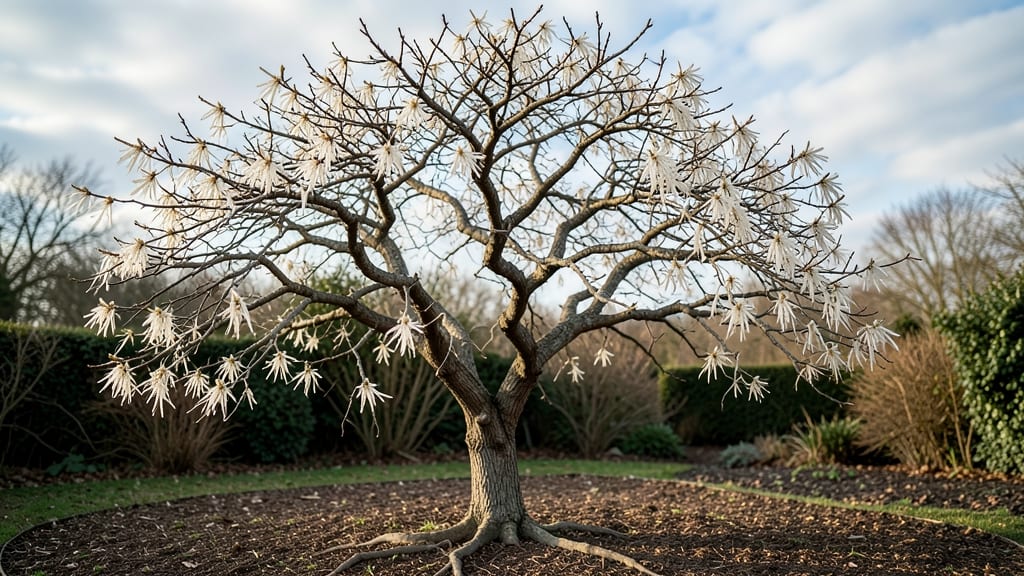
Your Chinese fringe tree (Chionanthus retusus) becomes a winter showstopper when you prune it right. ✨ The secret lies in timing—late winter or early spring—when the tree’s dormant branches reveal their natural structure, letting you shape it without sacrificing next year’s stunning blooms.
Start by removing any dead, crossing, or weak branches first. Then, thin out crowded areas to improve airflow, which keeps the tree healthy through frost. This isn’t just about looks—it’s about giving your tree room to breathe and grow stronger for spring’s fragrant white fringe blooms.
After pruning, add a thick layer of mulch around the base to protect roots from freezing temperatures. A 3-inch layer of organic mulch also helps retain moisture and regulates soil temperature, so your tree stays resilient even in harsh winters.
With the right cuts and care, your Chinese fringe tree will reward you with year-round interest: dramatic winter silhouette, early spring blooms, and even wildlife that loves its buds. Here’s how to make it happen without stress.
📚 In This Guide
- What you need
- Instructions
- Tips and common mistakes
- Wrapping up and next steps
What you need
- ● Pruning shears: Bypass pruners (sharp, clean, and disinfected with rubbing alcohol or a 10% bleach solution). Size: 6–8 inches for medium branches.
- ● Loppers: For thicker branches (½–1½ inches in diameter). Look for ratchet-style for extra leverage.
- ● Hand saw: Pruning saw with a bow or curved blade for stubborn, larger branches (1½+ inches).
- ● Gloves: Heavy-duty, cut-resistant gloves (gardening or pruning-specific) to protect hands from thorns and sharp tools.
- ● Disinfectant: 70% isopropyl alcohol or horticultural spray (e.g., 1 part bleach to 9 parts water) to prevent disease spread.
- ○ Pruning sealant: Optional but helpful for large cuts (e.g., tree wound paint or pruning wax) to reduce sap loss.
- ● Ladder: Sturdy, extendable ladder (if your tree is over 6 feet tall). Ensure it’s non-slip and rated for your weight.
- ● Work boots: Closed-toe, ankle-supporting boots for stability on uneven ground.
- ● Trash bags: Heavy-duty contractor bags (2–3) to collect pruned branches and debris.
- ● Timing: Prune during dormant season (late winter, before buds swell)—ideal temps: 40–60°F (4–15°C).
- ● Weather: Choose a dry, overcast day to avoid stressing the tree. Never prune when frost or rain is forecasted.
- ● Safety check: Inspect the tree for dead, diseased, or crossing branches before starting.
- ○ Cleanup supplies: Optional—paper towels, a small broom, and a shop vac for quick cleanup.
How to prune a Chinese fringe tree for winter beauty
Winter is the perfect time to shape your Chinese fringe tree—here’s how to keep it stunning while encouraging next year’s showstopping blooms.
✂️ Step 1: Time Your Pruning for Late Winter Dormancy
Prune your Chinese fringe tree (Chionanthus retusus) in late winter, just as new growth begins but before buds swell. This is typically February or March in most climates, when temperatures stay above 30°F but haven’t yet warmed into spring. The tree is dormant but not yet pushing new leaves, so it won’t bleed sap excessively.
Look for tight, brown buds along the branches—these signal readiness. If you prune too early, you risk encouraging premature growth that could be damaged by late frosts. If you wait too long, you’ll remove flower buds before they have a chance to bloom. I always mark the date on my calendar to avoid missing this critical window.
✂️ Step 2: Remove Dead, Weak, or Crossing Branches First
Start by inspecting the tree for dead wood—branches that are brittle, cracked, or completely devoid of bark. These should be cut back to the main trunk or a healthy lateral branch. Next, remove any weak or spindly growth that’s growing inward or crossing other branches, as these compete for energy and create entry points for disease.
Use clean, sharp pruners to make cuts just outside the branch collar (the swollen area where the branch meets the trunk). Avoid leaving stubs—these can rot and invite pests. If a branch is larger than ½ inch in diameter, use a pruning saw for a clean cut. I like to step back after each cut to check the tree’s balance and ensure I’m not over-thinning one side.
☀️ Step 3: Thin Out Overcrowded Areas for Better Airflow
Chinese fringe trees naturally develop a rounded, layered shape, but over time, branches can become too dense. Focus on thinning out the interior to improve airflow and sunlight penetration. Remove 10-20% of the tree’s total branches, prioritizing those that are rubbing against others or growing straight up without any lateral branches.
Look for branches that are too close together—these create shaded areas where moisture lingers, promoting fungal issues. Aim for an open, vase-like structure that allows light to reach the center. I often start at the bottom and work my way up, removing the oldest branches first to encourage younger, more vigorous growth from the lower trunk.
✂️ Step 4: Shape the Outer Canopy for Balance and Bloom Display
Now focus on refining the tree’s silhouette. Chinese fringe trees bloom on new wood, so you can be bold with shaping—just avoid cutting back more than ⅓ of the tree’s total height in one season. Use your pruners to shorten overlong branches by cutting just above a bud that faces outward (this encourages growth in the direction you want).
Step back frequently to check the tree’s symmetry. The goal is to maintain a rounded, tiered shape that highlights the horizontal branching where the fragrant white fringe-like flowers will appear next spring. If you’re unsure where to cut, imagine the tree as a tiered wedding cake—each layer should be slightly smaller than the one below.
🪴 Step 5: Clean Up and Protect the Tree for Spring
After pruning, sterilize your tools with rubbing alcohol or a bleach solution to prevent spreading disease. Rake up and dispose of all clippings—don’t leave them beneath the tree, as they can harbor pests. If your tree is in a windy or exposed location, consider wrapping the trunk with tree guard to protect it from late frosts or animal damage.
Apply a layer of mulch (2-3 inches) around the base, keeping it 6 inches away from the trunk to prevent rot. Water deeply if the winter has been particularly dry, but avoid overwatering—Chinese fringe trees are drought-tolerant once established. This final step sets the stage for a spectacular spring bloom, with those iconic white fringe flowers appearing in late spring or early summer.
Tips & tricks for perfect Chinese fringe tree winter pruning
These simple tricks will help you transform your Chinese fringe tree into a showstopper while avoiding common pruning pitfalls.
Timing is Everything: The late winter window between February and March is critical because your tree is still dormant but not yet pushing new growth. I check for those tight, brown buds—when they're ready, the tree is ready. If you're in a warmer climate, aim for when daytime temperatures consistently stay above 30°F. This timing prevents sap bleeding and ensures you don't accidentally remove next year's flower buds.
Tool Prep Matters: Never skip sterilizing your pruners between cuts—dip them in rubbing alcohol or a 10% bleach solution after each major branch. I keep a small spray bottle of diluted bleach (1 part bleach to 9 parts water) nearby for quick cleanups. Also, always use sharp tools—dull blades crush branches instead of making clean cuts, which invites disease. For branches over ½ inch thick, switch to your pruning saw to avoid tearing the bark.
Visual Pruning Cues: When shaping the outer canopy, imagine your tree as a tiered wedding cake—each layer should be slightly smaller than the one below. For branches you're shortening, cut just above an outward-facing bud to encourage growth in the direction you want. This technique creates that perfect rounded silhouette while maximizing next year's bloom display. I often sketch a quick outline on paper first to visualize the final shape.
Post-Pruning Protection: After cleaning up, apply that 2-3 inch layer of mulch but keep it 6 inches away from the trunk to prevent rot. For trees in exposed locations, wrap the trunk with tree guard to shield against late frosts and curious animals. I've seen rabbits gnaw through young Chinese fringe trees in my neighborhood—better safe than sorry! This final step ensures your tree stays healthy through winter and bursts into bloom come spring.
Pro Tips for Chinese Fringe Tree In Winter
- These simple tricks will help you transform your Chinese fringe tree into a showstopper while avoiding common pruning pitfalls.
- Timing is Everything: The late winter window between February and March is critical because your tree is still dormant but not yet pushing new growth.
- Tool Prep Matters: Never skip sterilizing your pruners between cuts—dip them in rubbing alcohol or a 10% bleach solution after each major branch.
Frequently asked questions
about Chinese fringe tree winter care and pruning—because winter beauty starts with the right questions!When is the best time to prune a Chinese fringe tree in winter?
The ideal window is late winter (February to early March), before new growth begins. This timing minimizes stress on the tree and ensures it’s ready to burst into spring blooms. Avoid pruning after severe cold snaps—wait until temperatures stabilize above freezing.
Can I prune a Chinese fringe tree in deep winter (December–January)?
While possible, it’s not recommended unless you’re addressing safety hazards (like dead branches). Cold stress weakens the tree, and pruning too early can delay spring growth. If you must prune, do so on a mild day and avoid heavy cuts—focus on removing only the most damaged wood.
How do I know if I’m over-pruning my Chinese fringe tree?
Watch for these red flags: excessive leaf loss the following spring, stunted growth, or no new blooms. A general rule: Never remove more than 20–30% of the tree’s canopy in one season. If you’re unsure, err on the side of caution—less is often more with fringe trees!
Will pruning my Chinese fringe tree affect its spring blooms?
Pruning correctly won’t harm blooms—in fact, it can enhance them! Remove old wood (over 3 years) to redirect energy to new, vibrant growth. Just avoid cutting back into last year’s growth too aggressively, as this can reduce flower production.
What’s a good alternative if my Chinese fringe tree doesn’t survive winter?
Consider these cold-hardy, low-maintenance alternatives:
- Japanese fringe tree (Chionanthus retusus) – Similar blooms, slightly more resilient.
- Winter honeysuckle (Lonicera fragrantissima) – Fragrant winter flowers, thrives in zones 4–8.
- Oakleaf hydrangea (Hydrangea quercifolia) – Stunning winter silhouette + spring color.
Wrapping up and next steps
The Chinese fringe tree in winter isn’t just a dormant beauty—it’s a canvas waiting for your creative touch! Strategic pruning unlocks its full potential, ensuring vibrant blooms and lush foliage year after year.
With the right tools, timing, and technique, you’re not just trimming branches—you’re shaping a masterpiece that thrives through every season.
Ready to transform your garden? Grab your pruners and start planning your next pruning session—your Chinese fringe tree will thank you with showstopping results! 🌿✨