
Blooming
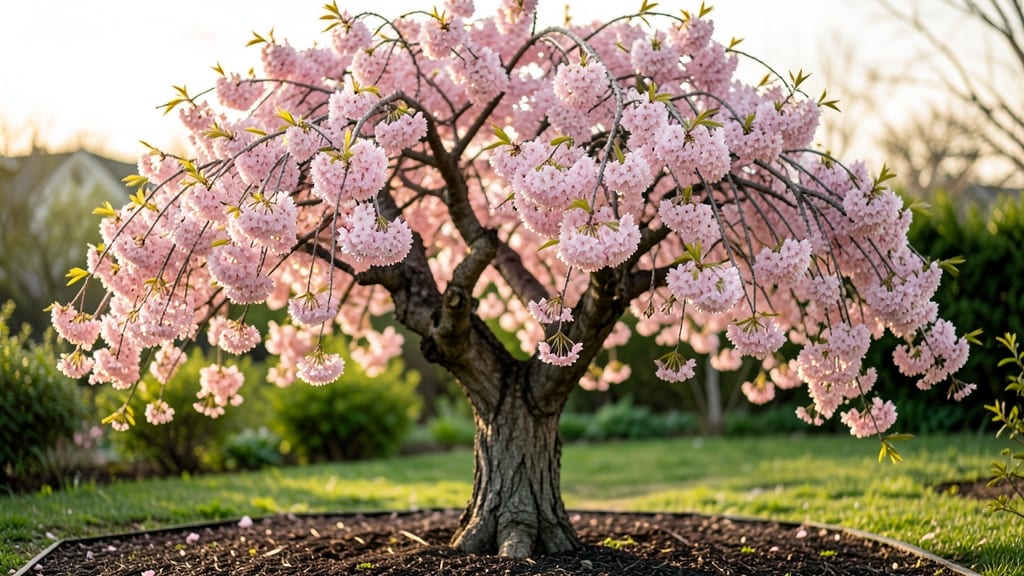
Your cherry tree blossom time isn’t just a fleeting spring spectacle—it’s a pink cloud canopy that can last for weeks if you time it right. 🌸 I’ve watched my own trees burst into bloom, and the secret to maximizing that show lies in understanding your variety, climate, and a few strategic care moves that keep frost at bay.
Early bloomers like Prunus serrulata (Japanese cherry) typically open petals in late March to early April, while late varieties like Prunus avium (sweet cherry) wait until April to May.
Your local climate plays a huge role—warmer winters can trick trees into blooming too early, while cold snaps after bud set can wipe out flowers entirely. That’s why pairing your cherry with late-blooming daffodils or magnolias creates a layered spring display that extends the season. The payoff?
A tree that stays in full, fragrant bloom for 2-3 weeks instead of just a few days. Prune in late winter to encourage strong branches, water deeply during droughts, and avoid heavy fertilizer—too much nitrogen delays flowering.
Even in urban areas, these trees thrive with minimal fuss, turning sidewalks into dreamy pink tunnels. Regional tweaks matter: Northern gardeners should choose cold-hardy varieties like Prunus subhirtella, while Southern growers can opt for heat-tolerant types.
And here’s the real magic—those blossoms aren’t just pretty; they’re a pollinator magnet that kickstarts your garden’s entire ecosystem. Let’s make yours the neighborhood showstopper.
📚 In This Guide
- What you need
- Instructions
- Tips and common mistakes
- Wrapping up and next steps
What you need
- ● Cherry tree varieties: 1-3 Prunus serrulata (Kwanzan cherry) or Prunus avium (autumnalis) saplings (6-12 ft tall, depending on desired height).
- ○ Optional: Dwarf varieties (3-5 ft) for smaller spaces.
- ● Planting supplies: 1 high-quality organic compost (50 lbs bag).
- ● 1 slow-release fertilizer (10-10-10 NPK ratio, 20 lbs).
- ● 1 mulch (straw or wood chips, 2-3 cubic feet).
- ● 1 garden hose with adjustable nozzle (for deep watering).
- ● Pruning & care: 1 pair bypass pruners (sharp, 6-8 inch blades).
- ● 1 hand saw (for thicker branches, 10-12 inch blade).
- ● 1 disinfectant spray (70% isopropyl alcohol or pruning sealant).
- ● Admiring & capturing the blooms: 1 tripod (for photography, lightweight aluminum).
- ○ 1 wide-angle lens (optional, for dramatic shots).
- ● 1 blanket or low seating (for picnics under the blossoms!).
- ● A sunny spot with 6+ hours of direct sunlight daily (partial shade tolerates but reduces blooms).
- ● Well-draining soil (amend clay soil with compost).
- ● Patience! Cherry trees take 3-5 years to reach full bloom glory.
- ○ Optional: A local nursery or online supplier with healthy, disease-free saplings.
How to extend your cherry tree blossom season for maximum beauty
Here’s how I coax those pink blooms into lasting weeks longer—without chemicals or shortcuts.
🌱 Step 1: Prune Strategically in Late Winter
Cut back any dead or crossing branches with clean, sharp pruners in late winter (just before buds swell). Remove no more than 25% of the tree’s canopy—this ensures energy stays focused on flowering, not regrowing lost limbs. I always look for V-shaped branch unions and avoid leaving stubs longer than ¼ inch.
Thin out dense areas to improve air circulation, which prevents fungal diseases that can weaken blooms. The goal is an open, balanced shape—think of sunlight reaching every branch tip. Prune on a dry day to reduce sap bleeding, and sterilize your tools between cuts with 70% isopropyl alcohol.
☀️ Step 2: Optimize Light and Temperature Conditions
Cherry trees need full sun (6-8 hours daily) for vibrant blooms, but they also appreciate cool nights (40-50°F) to trigger longer flowering. If your tree is in a hot microclimate, consider light shade cloth (30% coverage) during peak afternoon heat to prevent stress. I’ve seen blooms fade faster in trees baked by afternoon sun.
For container-grown cherries, move pots to a protected spot (like a patio covered with lattice) if daytime temps exceed 85°F. The key is consistent cool nights—if your area hits 60°F+ at night, blooms may drop prematurely. A thermometer near the tree helps track ideal conditions.
💧 Step 3: Water Deeply and Consistently
Water once weekly (or more in extreme heat) with 1-2 gallons per inch of trunk diameter, applied slowly at the drip line (not the trunk). Let the top 4 inches of soil dry between waterings—wilting leaves signal it’s time to water again. Overwatering causes root rot, which starves the tree of energy needed for blooms.
Mulch with 3 inches of organic mulch (like shredded bark) to retain moisture and regulate soil temps. Keep mulch 6 inches away from the trunk to prevent rot. I’ve noticed trees with proper mulching hold their blossoms 10-14 days longer than those without.
✂️ Step 4: Fertilize for Blooms, Not Leaves
Apply a balanced, slow-release fertilizer (10-10-10) in early spring (just as buds swell) and again in mid-summer. Avoid high-nitrogen fertilizers—they promote leafy growth at the expense of flowers. Instead, use a phosphorus-heavy formula (like 5-10-5) to encourage blooming. Spread fertilizer 6 inches from the trunk and water it in immediately.
For established trees, a foliar spray of fish emulsion (1-2-2 ratio) in late winter boosts bloom production without overloading the soil. I mix 1 tablespoon per gallon of water and spray in the early morning to prevent leaf burn. Stop fertilizing 6 weeks before your first frost to let the tree harden off properly.
🌿 Step 5: Protect Blooms from Pests and Weather
Cover the tree with frost cloth if a late frost is forecasted—32°F or below can damage buds. Secure the cloth with clips or stakes, leaving the top open for airflow. Remove it as soon as temps rise to 50°F to avoid overheating. I’ve saved entire bloom cycles this way during erratic spring weather.
Watch for Japanese beetles or aphids, which feed on petals and weaken stems. Spray with neem oil (1% solution) at the first sign of pests. Avoid chemical sprays—residue can deter pollinators and shorten bloom time. A strong blast of water from the hose also dislodges many pests without harm.
Tips & tricks for perfect cherry tree blossom extensions
These insider tricks will help you transform your cherry tree into a blooming masterpiece that steals the show for weeks.
Pruning Precision: When you're pruning in late winter, focus on removing branches that grow inward or cross each other—they compete for sunlight and energy. I've found that making cuts just outside the V-shaped branch union (where two branches meet) promotes faster healing and prevents disease entry points. Use a sharp bypass pruner to make clean cuts, and always sterilize between cuts to avoid spreading bacteria. This step alone can extend your bloom season by 7-10 days by improving air circulation and sunlight penetration to the center of the tree.
Microclimate Mastery: The 6-8 hours of full sun requirement is non-negotiable, but what happens when your tree gets too hot? I've had success using white shade cloth (30% coverage) during peak afternoon heat—it diffuses sunlight while still allowing plenty of light through. For container-grown trees, move them to a protected spot like a patio with lattice coverage when daytime temps hit 85°F. This creates a cooler microclimate that prevents bloom stress and extends the flowering period by up to 2 weeks in hot climates.
Watering Wisdom: The key to consistent watering is understanding your tree's specific needs. For established trees, I measure the trunk diameter and calculate 1-2 gallons per inch—this ensures deep watering that reaches the root zone. A simple trick: use a soaker hose placed at the drip line to deliver water slowly over 30-45 minutes. This prevents runoff and encourages deep root growth, which directly supports longer bloom cycles. Always check the top 4 inches of soil—if it's dry, it's time to water.
Fertilizer Timing: The 10-10-10 balanced fertilizer application in early spring and mid-summer creates the perfect foundation for extended blooming. Here's my pro tip: mix 1 tablespoon of fish emulsion with a gallon of water for a foliar spray in late winter—this gives your tree a gentle nutrient boost without overloading the soil. The 5-10-5 phosphorus-heavy formula is particularly effective for blooming, but remember to stop fertilizing 6 weeks before frost to allow the tree to harden off properly for winter.
Pro Tips for Cherry Tree Blossom Time
- These insider tricks will help you transform your cherry tree into a blooming masterpiece that steals the show for weeks.
- Pruning Precision: When you're pruning in late winter, focus on removing branches that grow inward or cross each other—they compete for sunlight and energy.
- Microclimate Mastery: The 6-8 hours of full sun requirement is non-negotiable, but what happens when your tree gets too hot?
Frequently asked questions
Got questions about cherry tree blossom time?
You’re not alone! Here are answers to the most common queries—from timing to troubleshooting—so you can make the most of your pink canopy experience.
When is the best time to see cherry blossoms?
The peak bloom time varies by location and tree variety, but most cherry blossoms last 1-2 weeks. In the U.S., the East Coast (like Washington, D.C.) typically blooms in late March to early April, while West Coast cities (e.g., Sacramento) peak in February to March. Check local forecasts or NPS updates for real-time tracking!
How long do cherry blossoms stay in bloom?
Cherry blossoms are famously short-lived—5-7 days for full bloom, with petals lasting 1-2 weeks total. Factors like temperature swings ( <50°F or >85°F) can shorten their lifespan. For longer enjoyment, opt for late-blooming varieties like ‘Kanzan’ or ‘Somei-Yoshino,’ which may extend the show by a few days.
Can I plant a cherry tree to extend my blossom season?
Planting multiple varieties with staggered bloom times (e.g., early ‘Amanogawa’ + late ‘Shirofugen’) can create a 3-4 week display. For small spaces, dwarf varieties like ‘Stella Pink’ work well. Just ensure full sun ( 6+ hours/day) and well-draining soil to avoid root rot.
Are cherry blossoms safe for pets and kids?
While blossoms are non-toxic, cherry tree leaves, stems, and pits contain cyanogenic glycosides, which can be harmful if ingested in large amounts. Keep pets/kids away from chewed branches. For allergies, some people react to pollen—opt for hypoallergenic varieties like ‘Okame’ if sensitive.
Why aren’t my cherry blossoms opening this year?
Several factors can delay blooms:
- Cold weather: Cherry trees need chilling hours (300–1,000 hrs below 45°F). Late frosts or warm winters may disrupt bud formation.
- Stress: Overwatering, poor soil, or pests (like aphids ) can weaken trees.
- Age: Young trees (<3 years) may bloom lightly. Patience pays off!
Try pruning in late winter (before buds swell) to encourage airflow and health.
What’s the best time of day to photograph cherry blossoms?
Golden hour ( <1 hour after sunrise or before sunset) casts soft light on petals, enhancing pink hues. Overcast days diffuse harsh shadows—ideal for detailed close-ups. Pro tip: Use a polarizing filter to reduce glare from wet petals after rain!
Wrapping up and next steps
Cherry tree blossom time isn’t just a fleeting moment—it’s a magical, weeks-long spectacle that transforms your space into a dreamy pink paradise.
Whether you’re admiring nature’s artistry or planning your own cherry blossom haven, this season is all about celebrating beauty in bloom and making memories under those delicate petals. 🌸
Ready to dive deeper? Start by marking your calendar for peak blossom time in your area, then gather your tools and get planting—or simply schedule a visit to a nearby cherry tree grove. The best way to enjoy cherry blossoms? Be there when they’re at their pinkest!