
Trees
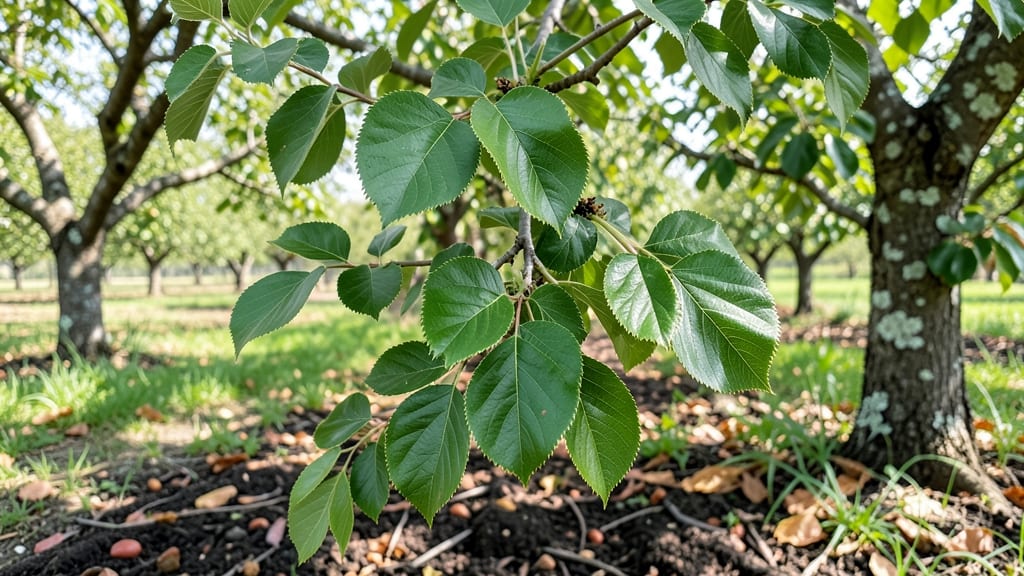
The identification of cherry tree leaves can feel like solving a puzzle—but I’ve cracked the code after years of mistaking wild black cherries for ornamental varieties. 🌿 The key lies in leaf shape, edges, and arrangement: wild cherries have finely serrated edges and a pointed tip, while cultivated varieties often show smoother lobes or rounded edges.
Even a quick glance at the veins (more prominent in wild types) or the way leaves alternate along the stem can reveal the difference.
Common mistakes? Assuming all red-leaved trees are cherries (they’re often peach or plum) or ignoring the bark and buds—both hold critical clues. Grab a magnifying glass or use a free leaf ID app to compare your find with known varieties.
When in doubt, snap a photo and consult a local arborist; some hybrids defy simple rules, and their advice could save your tree from misdiagnosis.
📚 In This Guide
- What you need
- Instructions
- Tips and common mistakes
- Wrapping up and next steps
What you need
- ● Fresh or dried cherry leaves: Collect 3–5 healthy leaves from different branches (avoid damaged or diseased ones).
- ● Hand lens or magnifying glass: A 10x magnification lens helps spot fine details like leaf edges, veins, and surface textures.
- ● Ruler or measuring tape: For precise measurements of leaf length, width, and petiole (stem) length.
- ● Field notebook or smartphone: Sketch leaf shapes, note colors, and jot down observations (apps like iNaturalist or LeafSnap can help!).
- ● Permanent marker or labels: To tag samples if comparing multiple varieties.
- ● Camera with macro mode: Capture high-res images for later analysis (natural light works best!).
- ● Field guide or cherry tree ID app: Cross-reference with National Audubon Society Field Guide or PlantNet.
- ● Glove or tweezers: Protect your hands when handling thorny branches (common in wild cherries!).
- ● Reference samples: If possible, compare with known wild (Prunus serotina) and cultivated (Prunus avium) leaves.
How to tell wild cherry leaves from cultivated varieties
Here's how I spot the subtle differences in leaf shape, edges, and veins that separate wild cherries from their cultivated cousins.
🌿 Step 1: Examine Leaf Shape and Size
Wild cherry leaves are typically oval with pointed tips, resembling a teardrop shape. They average 2-5 inches long and 1.5-3 inches wide, with a smooth, slightly tapered base. Cultivated varieties often show broader, more rounded leaves—think 3-6 inches long with a more pronounced heart shape at the base.
Hold the leaf against a bright window to see the full silhouette. Wild leaves have a more uniform taper, while cultivated ones might show slight asymmetrical lobes or wavy edges. I always check both sides—wild leaves tend to have a slightly rougher texture on the underside compared to the smoother, glossier surface of many cultivated types.
🌿 Step 2: Inspect Leaf Edges for Key Differences
Wild cherry leaves have finely serrated edges that look like tiny, sharp teeth under close inspection. The serrations are regular and point slightly outward. Cultivated varieties often have smoother edges or coarser, more pronounced serrations that may appear in a wavy pattern.
Run your fingernail gently along the edge—wild leaves will catch slightly more often due to their finer teeth. Some cultivated cherries, like the 'Stella' variety, develop almost lobed edges as they mature, which wild types never do. This is where a magnifying glass comes in handy if you're examining small leaves.
☀️ Step 3: Compare Vein Patterns and Color
Wild cherry leaves show prominent, curved secondary veins that create a net-like pattern when viewed from below. The veins are typically lighter green than the leaf surface. Cultivated varieties often have more pronounced midribs (the central vein) and secondary veins that may appear slightly sunken on the upper surface.
Check the leaf color under natural light—wild cherries usually have a duller, matte green appearance, while cultivated leaves often show brighter, glossier surfaces, especially on newer growth. Some ornamental cherries even develop purple or reddish tints in spring or fall that wild types never exhibit.
🌱 Step 4: Look for Growth Habit Clues
Wild cherry leaves grow in alternate patterns along the stem, with each leaf attached by a thin, flexible petiole. The arrangement creates a staggered look when viewing the branch. Cultivated trees often show more clustered growth at branch tips, with leaves sometimes appearing in small groups rather than spaced evenly.
Twist a small branch gently to see how the leaves respond. Wild cherries have more flexible stems with leaves that move independently. Cultivated varieties, especially dwarf types, may show stiffer stems with leaves that stay more rigid. This is particularly noticeable when comparing young growth—wild leaves tend to droop slightly at the tips, while cultivated ones often stand upright.
🌿 Step 5: Check for Seasonal Color Changes
Wild cherry leaves turn a uniform yellow-brown in fall before dropping. Cultivated varieties often show more dramatic color shifts, including reds, purples, or oranges before leaf fall. Some ornamental cherries even maintain their color for weeks after wild types have shed.
Examine fallen leaves on the ground—wild cherry leaves will be uniformly colored and shaped, while cultivated leaves may show a mix of colors and occasional deformed shapes. This fall comparison is one of the easiest ways to distinguish between the two, especially in urban areas where cultivated trees are common.
Tips & tricks for mastering cherry leaf identification
These subtle details make all the difference when distinguishing wild from cultivated cherry leaves—here's how to spot them like a pro.
Lighting Matters: Always examine leaves in natural daylight, especially near a window. The contrast between wild cherry leaves' duller, matte finish and cultivated varieties' brighter, glossy surfaces becomes much more obvious under bright light. I've found that mid-morning sunlight works best—it eliminates harsh shadows that can distort your perception of color and texture.
Seasonal Timing Tip: Spring and early summer are the best times to identify cherry leaves because that's when the differences in leaf shape and edge patterns are most pronounced. In late summer, some cultivated varieties may develop similar shapes to wild ones, making identification trickier. If you're doing this in fall, focus on the uniform yellow-brown color of wild leaves versus the mixed colors of cultivated ones.
Growth Habit Clues: When examining branches, look for the alternate pattern of wild cherry leaves—each leaf should be attached by a thin petiole, creating a staggered look. Cultivated trees often show more clustered growth at branch tips. Here's a quick test: gently twist a small branch. Wild cherry leaves will move more independently due to their flexible stems, while cultivated leaves may stay more rigid, especially on dwarf varieties.
Magnifying Glass Magic: For those tricky edge patterns, a simple magnifying glass can reveal the world of difference between wild cherry leaves' finely serrated edges (like tiny, regular teeth) and cultivated varieties' coarser, wavy serrations. I keep one in my field kit—it's worth the small investment for anyone doing regular identification. The key is to look at how the serrations point: wild leaves have them angled slightly outward, while cultivated ones may appear more random.
Pro Tips for Identification Cherry Tree Leaves
- These subtle details make all the difference when distinguishing wild from cultivated cherry leaves—here's how to spo...
- Lighting Matters: Always examine leaves in natural daylight, especially near a window. The contrast between wild cher...
- Seasonal Timing Tip: Spring and early summer are the best times to identify cherry leaves because that's when the dif...
Frequently asked questions
Got questions about identifying cherry tree leaves? You’re not alone! Here are some of the most common queries—and their answers—to help you spot the difference between wild and cultivated varieties with confidence.
Why do cherry tree leaves look different depending on the season?
Cherry tree leaves change shape and color throughout the year. In spring and summer, they’re typically bright green and smooth-edged, while fall brings reddish or yellow hues. Winter dormancy causes leaves to drop, but buds form early—look for opposite branching (unlike maples) to confirm it’s a cherry.
How can I tell if my cherry tree is sweet or sour based on leaves alone?
Leaf shape alone isn’t foolproof, but sour cherries (like Montmorency) often have slightly serrated edges and smaller leaves (1–3 inches). Sweet cherries (like Bing) tend to have broader, slightly glossier leaves. The real test? Taste the fruit—or check the tree’s flowers (sour cherries bloom earlier).
What should I do if my cherry tree leaves have holes or spots?
Holes or spots usually mean pests (like cherry leaf spot fungus) or insects (e.g., tent caterpillars). Prune infected branches, remove fallen leaves, and apply copper fungicide or neem oil. For severe cases, consult a local arborist—early action prevents spread!
Are there any non-toxic lookalikes to wild cherry leaves?
Yes! Black cherry (Prunus serotina) and chokecherry (Prunus virginiana) are common wild lookalikes. Both have similar serrated leaves, but chokecherry leaves are smaller and more oval, while black cherry leaves often have a distinctive “toothed” edge. Always cross-check with fruit or bark.
How do I measure leaf size accurately for identification?
Use a ruler or calipers to measure from the base of the leaf stem to the tip (length) and the widest point (width). Wild cherries often have leaves 1–4 inches long, while cultivated varieties can range from 2–6 inches. Snap a photo with a coin for scale if you’re unsure!
Wrapping up and next steps
Mastering the art of identifying cherry tree leaves opens up a world of gardening, foraging, or simply deepening your connection with nature! 🌿 By focusing on key features like leaf shape, edges, veins, and arrangement—along with seasonal changes—you can confidently distinguish wild from cultivated varieties.
Whether you're a hobbyist or a seasoned botanist, this skill adds a fun and practical dimension to your outdoor adventures.
Ready to put your new knowledge to the test? Grab a notebook, head outside, and compare leaves from different cherry trees in your area. You might just uncover a hidden gem in your own backyard! 🌳