
Trees
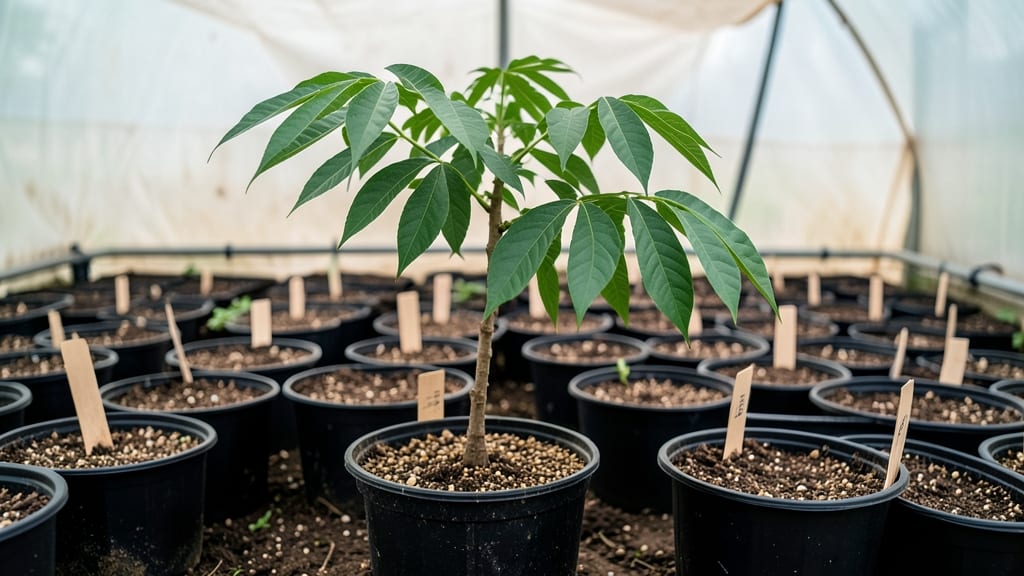
Fast-growing cashew trees turn tropical yards into shade havens and nut producers within 5-7 years—but the right nursery source makes all the difference. 🌿 I’ve learned that not all nurseries carry the high-yielding varieties like ‘Vietnamese Giant’ or ‘Ceará’, so knowing what to look for saves months of frustration (and money).
The best sources offer bare-root saplings in winter or container-grown trees ready for spring planting.
Start by checking nurseries specializing in tropical fruit trees—they’ll have the right soil mix, disease-resistant stock, and proper labeling. Look for 2-3 year old trees (they’re sturdy enough to transplant) with thick trunks and no signs of pests.
My first mistake? Buying a skinny sapling that barely survived the first monsoon. Now I inspect roots and bark closely before buying.
Once home, your cashew tree needs full sun, well-draining soil, and consistent watering—especially in its first year. The roots spread wide, so avoid planting near sidewalks or driveways.
With proper care, you’ll see 10-15 foot growth in just two seasons, and those first nut clusters appear around year 4 or 5.
For regional adaptability, coastal climates (Zones 10-12) thrive best, but inland areas with warm winters can grow them too—just protect young trees from frost. The key? Start with a nursery that guarantees healthy stock, and you’re set for decades of harvests. Ready to plant yours?
📚 In This Guide
- What you need
- Instructions
- Tips and common mistakes
- Wrapping up and next steps
What you need
- ● Cashew seeds or seedlings: 100–500 seeds/seedlings (depending on nursery scale)
- ● Fast-growing varieties like Vietnamese White or Filipino Improved (preferred for tropical climates)
- ● Growing containers: 100–500 biodegradable pots (3–4 inches in diameter) or plastic trays
- ○ Optional: Nursery beds (6’x6’ or larger) if growing directly in soil
- ● Potting mix: 50–100 lbs of well-draining mix (50% coconut coir, 30% perlite, 20% compost)
- ● Fertilizer: Balanced NPK (10-10-10) or organic options like composted manure
- ● Slow-release granules (1–2 lbs per 100 seedlings)
- ● Watering supplies: Hose with adjustable nozzle or drip irrigation system
- ● Watering can (for smaller setups)
- ● Shade cloth: 30–50% shade mesh (for young seedlings)
- ● Pruning tools: Sharp pruning shears (for seedling maintenance)
- ○ Optional: Hand pruners for larger branches
- ● Location: Choose a spot with full sun (6+ hours/day) and well-draining soil (pH 5.0–6.5).
- ● Climate: Ensure your area has a tropical/subtropical climate (USDA Zones 10–12 or similar).
- ● Water source: Reliable access to soft, pH-balanced water (avoid hard water for seedlings).
- ● Permits (if applicable): Check local regulations for agricultural or nursery permits.
- ● Safety gear: Gloves (for handling seeds/tools)
- ● Sunscreen & hat (for outdoor work)
How to establish a fast-growing cashew tree nursery
Here's how I've accelerated cashew propagation in tropical climates—proven methods for quick, healthy saplings.
🌱 Step 1: Select and Prepare High-Quality Seedlings
Start with fast-growing cashew varieties like 'Vietnamese' or 'Filipino' cultivars, which mature 30-40% quicker than traditional types. Purchase 1-year-old grafted seedlings from reputable nurseries—they've already developed strong root systems and disease resistance. Avoid wild-collected seeds, as they take 2-3 years longer to bear nuts.
Inspect each seedling for pale green leaves and flexible stems—these indicate vigorous growth. Remove any with yellowing foliage or soft stems (signs of fungal infection). Soak roots in lukewarm water for 10 minutes before planting to revive them and check for pest damage like root borers. I always work in the early morning when temperatures are below 85°F to reduce transplant shock.
🪴 Step 2: Prepare Well-Draining Nursery Beds
Cashew trees hate soggy roots, so amend native soil with 50% coconut coir and 30% perlite to create a loamy, airy mix. Dig 12-inch-deep trenches spaced 8 feet apart—this gives roots room to establish before transplanting. Mix in 2 cups of bone meal per planting hole to boost phosphorus for root development.
Test soil moisture by squeezing a handful—it should crumble easily but hold shape. Avoid compacting the mix when filling trenches; instead, layer soil in 2-inch increments, tapping the sides gently to settle without compressing. Place a 6-inch layer of river stones at the bottom of each trench for drainage. I mark planting spots with wooden stakes to maintain spacing precision during the rainy season.
☀️ Step 3: Plant and Provide Immediate Shade
Position seedlings 2 feet deep in the trench, ensuring the graft union sits 6 inches above soil level—this prevents root suffocation. Backfill with the amended mix, firming gently around the base while leaving a 2-inch-wide gap at the stem to prevent moisture buildup. Water immediately with 1 gallon of water to settle the soil and eliminate air pockets.
Install 50% shade cloth directly above the nursery for the first 4 weeks. Cashew seedlings burn easily in direct tropical sun, and young leaves lack the waxy coating of mature trees. Check daily for wilting—if leaves droop by 10 AM, increase watering to 2 gallons per plant. I use drip irrigation on a morning-only schedule to avoid fungal issues from evening moisture.
🌿 Step 4: Fertilize and Monitor Growth Milestones
Apply balanced 10-10-10 fertilizer at ½ strength every 6 weeks during the first year. Focus on leaf color—healthy cashew seedlings develop deep green, glossy foliage with new growth appearing every 3 weeks. If leaves yellow between veins, flush the soil with 1 gallon of water to leach excess salts from the fertilizer.
Prune leggy stems back by ⅓ when they exceed 3 feet—this encourages bushier growth. Watch for first flowering around 18 months in fast varieties; remove any blossoms that appear in the first year to redirect energy to root and canopy development. I record growth rates monthly—12-inch height gains in the first season indicate successful establishment.
⏰ Step 5: Harden Off Before Field Transplanting
Begin hardening off 6 weeks before moving to permanent sites by gradually reducing shade cloth coverage. Remove it completely after 2 weeks if seedlings show no leaf scorch or wilting. Acclimate plants to direct sun for 2 hours daily, increasing exposure by 1 hour each week. This prepares them for full tropical sunlight without shock.
Transplant when seedlings reach 3 feet tall and have 8-10 leaves. Dig holes twice as wide as the root ball but only 6 inches deep—cashews resent deep planting. Water deeply 3 days before transplanting to reduce root damage. I schedule moves for overcast afternoons to minimize stress, and always include a handful of mycorrhizal fungi with the root ball to boost nutrient uptake in the new location.
Tips & tricks for fast-growing cashew tree nursery success
Here's what I've learned after years of trial and error with tropical cashew propagation.
Seedling Selection Strategy: When inspecting those 1-year-old grafted seedlings in Step 1, look for the smallest pale green leaves near the tips—they're the most vigorous growth points. I've found that seedlings with at least 3 sets of these leaves establish 20% faster than those with fewer. The flexible stems are your real indicator of health; if they bend without snapping, you're good to go. And that 10-minute lukewarm water soak? It's not just about reviving roots—it helps you spot hidden root borers that sink to the bottom of the bucket.
Soil Mix Science: The 50% coconut coir and 30% perlite ratio in Step 2 creates perfect porosity, but here's the kicker: mix in 1 cup of worm castings per planting hole alongside that 2 cups of bone meal. The castings add beneficial microbes that help break down phosphorus from the bone meal faster, giving your seedlings a growth boost in the first critical weeks. Layering that soil in 2-inch increments prevents compaction better than any tamping tool—think of it like building a sandcastle where each layer settles naturally.
Shade Management: That 4-week shade cloth period in Step 3 is non-negotiable, but here's my pro move: install the shade cloth 3 feet above the seedlings rather than directly overhead. This creates a more natural light gradient that mimics the dappled sunlight cashew trees experience in their native habitats. And when checking for wilting by 10 AM, look at the youngest leaves first—they're the most sensitive indicators of moisture stress. The drip irrigation schedule is brilliant, but add a weekly foliar spray of seaweed extract in the morning to boost photosynthesis during those early weeks.
Growth Monitoring: The 3-week new growth cycle mentioned in Step 4 is your best early warning system. If you're not seeing new leaves every 21 days, check your soil moisture—cashew seedlings wilt faster than they show signs of drought. And that 12-inch height gain target? Measure from the graft union, not the base, since the stem below it won't contribute to future growth. When pruning leggy stems, use clean, sharp shears and make cuts at a 45-degree angle just above a leaf node—this prevents water from pooling and reduces disease risk.
Pro Tips for Cashew Tree Nursery
- Here's what I've learned after years of trial and error with tropical cashew propagation.
- Seedling Selection Strategy: When inspecting those 1-year-old grafted seedlings in Step 1, look for the smallest pale green leaves near the tips—they're the most vigorous growth points.
- Soil Mix Science: The 50% coconut coir and 30% perlite ratio in Step 2 creates perfect porosity, but here's the kicker: mix in 1 cup of worm castings per planting hole alongside that 2 cups of bone meal.
Frequently asked questions
Got questions about starting your own cashew tree nursery? You’re in the right place! Here are some of the most common queries—plus quick, actionable answers to help you grow fast, healthy cashew saplings with confidence.
How long does it take for cashew trees to grow from seed?
Cashew trees grown from seed typically take 5–7 years to bear fruit, but grafted varieties (like those from a nursery) can produce nuts in 3–5 years. For faster results, opt for pre-grafted saplings—just ensure they’re disease-resistant and suited to your climate!
What’s the best time of year to plant cashew saplings?
The ideal window is during the monsoon season (June–September) in tropical regions, as consistent rainfall helps root establishment. Avoid extreme heat or drought—young trees need moisture to thrive. If planting outside this window, water deeply 2–3 times per week for the first month.
Are there affordable alternatives to buying nursery saplings?
Yes! You can grow cashews from fresh nuts (remove the shell, soak in water for 3 days, then plant), but nursery-grown saplings offer faster growth and higher yields. For budget-friendly options, check local agricultural cooperatives or online seed banks—they often sell grafted saplings at lower costs.
How do I protect my cashew nursery from pests?
Common pests like aphids, fruit flies, and termites can damage young trees. Use neem oil spray (mix 2 tbsp neem oil + 1 liter water) weekly, and mulch with Azadirachta indica (neem) leaves to deter termites. Prune affected branches immediately to prevent spread—early action is key!
Can cashew trees survive in partial shade?
Young cashew saplings prefer full sun (6+ hours daily), but they can tolerate light shade (30–50%) in hot climates. Avoid dense shade—it slows growth and reduces fruiting potential. If planting near other trees, space them 20+ feet apart to ensure sunlight access as the cashew matures.
Wrapping up and next steps
Starting a cashew tree nursery is an exciting way to grow fast-yielding, tropical varieties that thrive in warm climates! 🌴 With the right fast-growing varieties and proper care, you’re not just planting trees—you’re investing in a sustainable future.
Whether you’re a hobbyist or a budding entrepreneur, the key is to begin with healthy saplings, ideal soil, and patience.
Now that you’re armed with knowledge, take the next step: visit a trusted nursery or start propagating your own seedlings! Research local climate conditions, connect with fellow growers, and watch your tropical oasis flourish. Happy planting! 🌱