
Container Gardens
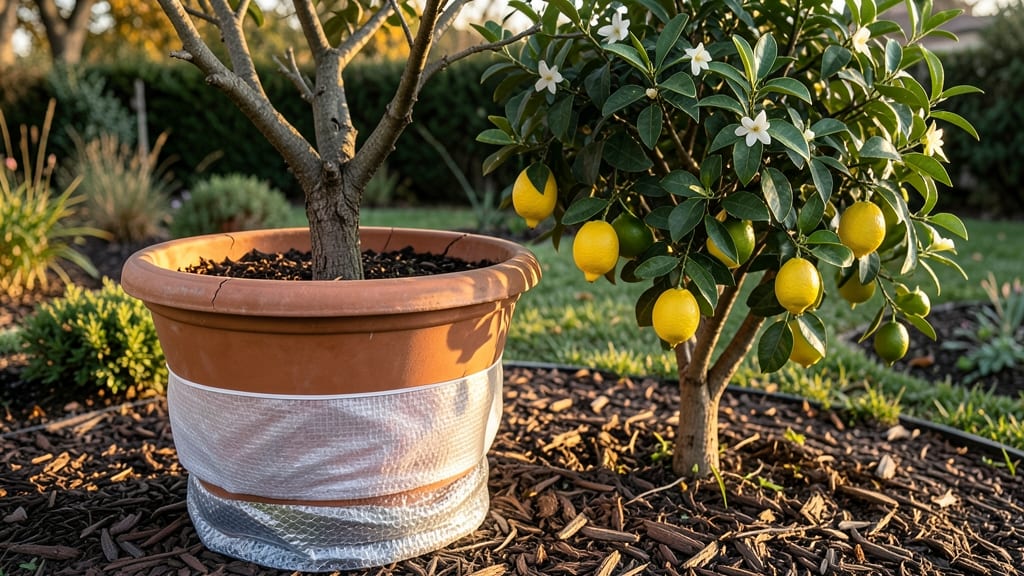
You can grow a lemon tree in Illinois using cold-resistant varieties like 'Meyer' or 'Improved Meyer,' though they perform best indoors near bright windows or grow lights. For outdoor planting, winter protection or container relocation is essential to avoid frost damage.
Illinois' chilly winters make outdoor citrus cultivation challenging, but these hybrid varieties are bred to tolerate temperatures down to 15°F when properly protected. 🌱 The key difference lies in their genetic makeup—Meyer lemons, for instance, are a cross between true lemons and mandarins, giving them a hardier constitution.
While outdoor trees may still need winter wraps or greenhouse setups, indoor cultivation offers year-round growing potential with consistent sunlight exposure.
For those attempting outdoor growth, container relocation during winter is a game-changer. Simply move potted trees to a sheltered garage or basement where temperatures stay above freezing. This method preserves the tree's health while avoiding the need for complex heating systems.
The trade-off? Indoor trees may produce smaller fruit, but they'll survive Illinois' harshest winters without stress.
💡 In This Article
- Best Cold-Hardy Lemon Tree Varieties for Illinois Climates
- Indoor Lemon Tree Care Guide for Illinois Growers
Best cold-hardy lemon tree varieties for Illinois climates
Illinois' winters can drop below 0°F, making traditional lemon trees (like Eureka or Lisbon) nearly impossible to grow outdoors. The secret lies in hybrid varieties like 'Meyer' and 'Improved Meyer', which are crossbreeds between true lemons and cold-tolerant mandarins.
These hybrids can survive brief exposure to 15-20°F when dormant, thanks to their thicker leaves and more compact growth habit. The mandarin parent contributes natural frost resistance, while the lemon parent preserves the familiar tart-sweet flavor profile.
What sets these varieties apart is their ability to enter a semi-dormant state during winter, slowing metabolic processes to conserve energy. For example, 'Improved Meyer' lemons can handle 20°F for short periods, whereas standard lemons die at 32°F.
This genetic resilience is why they're the top choice for Illinois growers. Even in containers, their root systems adapt better to temperature fluctuations than traditional citrus. 🌿 The trade-off? Their fruit may be slightly less acidic than commercial lemons, but the hardiness makes them far more practical for northern climates.
Another option is the 'Ponderosa' lemon, which produces larger fruit but requires slightly warmer conditions (25°F tolerance). While not as cold-hardy as Meyer varieties, it's worth considering if you have a protected outdoor space.
The key difference is in their flowering patterns—cold-hardy varieties often bloom later in spring, avoiding late frost damage that can kill tender new growth. This delayed flowering also means fruit ripens later, typically in late fall or early winter when indoor growers can enjoy fresh lemons during holiday seasons.
For outdoor enthusiasts, the 'Eureka' lemon is sometimes attempted, but it needs year-round protection against -10°F temperatures. Even with wraps or mulch, it's risky without supplemental heat. The Meyer hybrids, however, can thrive in unheated garages during winter if kept in containers.
Their smaller size (typically 6-10 feet tall) also makes them ideal for indoor cultivation where space is limited. The choice ultimately comes down to your willingness to provide winter protection versus the convenience of indoor growing.
One often-overlooked factor is the tree's maturity when exposed to cold. Younger Meyer lemon trees (under 3 years) handle frost better than mature specimens because their smaller size allows for faster heat dissipation.
This is why many Illinois growers start with dwarf varieties or grafted trees—both options mature more quickly and adapt better to seasonal temperature swings. The result? More reliable fruit production despite the climate challenges. 🍋