
Featured
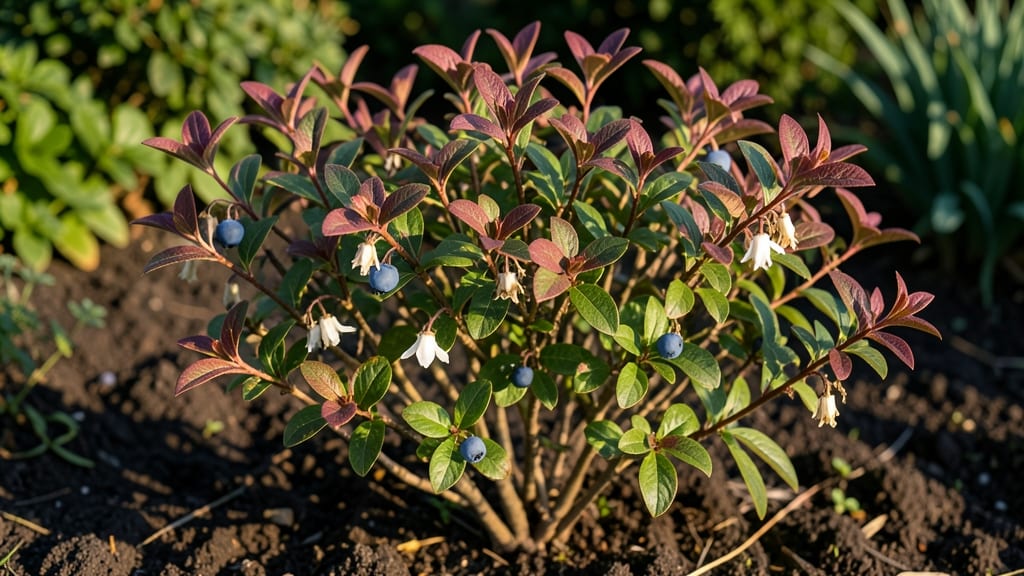
Your blueberry tree leaves turning red isn’t always a problem—sometimes it’s just nature’s way of showing off. 🌿 I’ve seen this happen in my own yard, and while it can be alarming, it’s often a sign of seasonal change, nutrient shifts, or even a healthy response to stress.
The key is figuring out whether it’s normal or something to address.
Red leaves on blueberries usually mean one of three things: phosphorus deficiency (the classic red-purple hue), magnesium issues (yellow between veins), or environmental stress like drought or temperature swings.
I’ve ruled out fungal issues by checking for spots or powdery residue—if the leaves are just uniformly red with no other symptoms, it’s likely nutritional. The good news? This is fixable with simple soil amendments or targeted fertilization.
Start by testing your soil’s pH and nutrient levels—blueberries need acidic soil (4.5–5.5) and balanced phosphorus. If the red is widespread, a slow-release fertilizer with phosphorus (like bone meal) or a magnesium supplement (Epsom salt) can turn things around in weeks.
Prune any severely affected branches to encourage new growth, and keep an eye on watering—consistent moisture prevents stress-related color shifts.
Once you’ve addressed the root cause, your tree should bounce back with vibrant green foliage—and maybe even a bonus crop next season. The red phase isn’t always bad; sometimes it’s just your tree’s way of preparing for winter or signaling it’s ready for a little extra care.
Either way, you’ll know exactly what to do next time you spot it.
Natural Triggers Behind Reddening Leaves
When your blueberry tree’s leaves start blushing with red, it’s not always a cause for alarm—sometimes it’s just nature’s way of putting on a seasonal show! 🌿🎨 Understanding the science behind this color shift helps you distinguish between normal changes and potential problems.
Below, we break down the key reasons why blueberry tree leaves turn red, complete with actionable insights to keep your tree thriving.
Blueberry trees are hardy but sensitive to temperature shifts, especially in late summer and early fall. When nights grow cooler but days remain warm, leaves may produce anthocyanins—pigments that create red, purple, or orange hues. This is a protective mechanism to:
- Shield leaves from UV damage during bright, chilly days.
- Regulate photosynthesis as chlorophyll breaks down.
- Prepare for dormancy by conserving energy.
What to do:
- Monitor your local USDA hardiness zone—blueberries thrive in zones 4–7 but may stress outside this range.
- If reddening occurs before fall (e.g., July–August), check for heat stress (see next section).
- Mulch around the base with 3–4 inches of organic matter (like wood chips) to insulate roots from temperature swings.
Intense summer heat—especially paired with low humidity—can scorch blueberry leaves, causing them to turn reddish-brown or crispy at the edges. Unlike autumnal red, this damage is often:
- Localized (e.g., only south-facing leaves).
- Accompanied by wilting or dry edges.
- Worse in afternoon heat (11 AM–4 PM).
Why it happens: High temperatures disrupt the tree’s stomata (pores), preventing water uptake and triggering stress pigments. Blueberries, native to acidic, shaded bogs, aren’t built for full-sun, arid conditions.
Fix it:
- ✨ Provide afternoon shade with a 30–50% shade cloth or dappled light from nearby trees.
- 💧 Deep-water weekly (1–1.5 inches per week) to offset evaporation. Drip irrigation is ideal.
- 🌱 Avoid fertilizing during heatwaves—nitrogen boosts can increase water needs.
Red or purple spots on leaves—often with yellow halos or powdery growth—could signal a fungal infection like anthracnose or leaf spot. These pathogens thrive in:
- Wet, humid conditions (e.g., rainy summers).
- Overcrowded or poorly ventilated plantings.
- Weakened trees (from drought, poor soil, or over-fertilization).
How to tell it’s a fungus:
- Red/purple spots with raised edges (anthracnose).
- Leaves crinkle or drop prematurely.
- White, gray, or black fuzzy patches on undersides (mildew).
Treatment plan:
- 🔥 Prune infected branches (sterilize tools with 70% alcohol) and dispose of them off-site.
- 🌡️ Improve airflow by spacing trees 4–6 feet apart and thinning nearby vegetation.
- 💡 Apply fungicide (copper-based or neem oil) at first signs, then every 10–14 days during wet seasons.
Blueberries are acid-loving plants (pH 4.5–5.5), and soil imbalances—especially high pH, nitrogen excess, or potassium deficiency—can trigger reddening. Here’s how:
| Symptom | Likely Cause | Action Steps |
|---|---|---|
| Red veins with green leaves | Phosphorus deficiency (common in alkaline soil) | Test soil pH; amend with elemental sulfur or peat moss. |
| Yellow edges with red centers | Potassium deficiency (often from over-watering) | Apply potassium sulfate or wood ash (sparingly). |
| Dark red stems and new growth | Excess nitrogen (burns roots, stresses tree) | Flush soil with water; avoid high-nitrogen fertilizers. |
Pro tip: 🌱 Mulch with pine needles or oak leaves to naturally acidify soil and retain moisture.
By pinpointing the cause—whether seasonal, environmental, or pathological—you can preserve your blueberry tree’s health and enjoy its stunning foliage without worry. Next, we’ll cover how to distinguish harmless red from urgent warnings so you can act fast when needed.
Fixing Reddened Blueberry Leaves
If your blueberry tree’s leaves are turning red, don’t panic—this shift is often fixable with the right care. Below, we’ve mapped out practical solutions tailored to the most common causes, along with prevention tips to keep your tree thriving. Let’s get your foliage back to its best!
Signs: Yellowing edges turning red, soggy soil, wilting despite moisture.
How to Fix It: 🔥 Adjust Your Watering Routine
- Water deeply once or twice a week (depending on climate), but let the top 2–3 inches of soil dry out between sessions.
- Avoid shallow watering—aim for slow, deep soaks to encourage strong root growth.
🍳 Improve Soil Drainage
- Mix compost or sand into heavy clay soil to loosen it.
- If planting in containers, use a well-draining potting mix with perlite or orchid bark.
👨🍳 Check for Root Rot
- Gently dig around the base to inspect roots. If they’re mushy or black, prune affected areas with sterilized shears.
- Repot if needed, using fresh, dry soil.
Prevention Tip: 💡 Mulch around the base (2–3 inches deep) with wood chips to regulate moisture and temperature.
Signs: Red or purplish patches on leaves exposed to direct sun, crispy edges.
How to Fix It: 🔥 Provide Afternoon Shade
- Use lightweight shade cloth (30–50%) during peak sun (11 AM–3 PM), especially in hot climates.
- Plant near taller trees or structures to filter harsh rays.
🍳 Water Strategically
- Morning watering (before 10 AM) reduces evaporation and helps leaves absorb moisture.
- Mist leaves lightly on scorching days to cool them down.
👨🍳 Gradual Sun Exposure
- If your tree is new to full sun, acclimate it slowly over 2–3 weeks to prevent shock.
Prevention Tip: 🌡️ Choose a blueberry variety suited to your hardiness zone—some tolerate heat better than others (e.g., ‘Duke’ or ‘Premier’).
Signs: Red veins, yellowing between veins (iron chlorosis), or overall dull red foliage (nitrogen deficiency).
How to Fix It: 🔥 Test Your Soil
- Use a home soil test kit (or send a sample to a local extension office) to check pH and nutrient levels.
- Blueberries thrive in acidic soil (pH 4.5–5.5)—adjust with sulfur or peat moss if needed.
🍳 Fertilize Correctly
- For iron deficiency: Apply chelated iron or iron sulfate in early spring.
- For nitrogen: Use a balanced acid-loving plant fertilizer (e.g., 10-10-10 or 12-4-8) in early spring and mid-summer.
- Avoid high-phosphorus fertilizers—they can worsen deficiencies.
👨🍳 Organic Boosts
- Compost tea or fish emulsion can provide a gentle nitrogen kick.
- Epsom salt (magnesium sulfate) may help if leaves show interveinal yellowing.
Prevention Tip: ✨ Top-dress with pine needles or oak leaves annually to maintain acidity naturally.
Signs: Reddish-brown spots, holes, or sticky residue (aphids), curled leaves (spider mites), or fungal growth.
How to Fix It: 🔥 Identify the Culprit
- Aphids/Spider Mites: Use a strong spray of water to dislodge them, then apply neem oil (repeat every 5–7 days).
- Fungal Issues (e.g., anthracnose): Prune infected leaves with sterilized shears, then treat with copper fungicide.
🍳 Encourage Beneficial Insects
- Plant marigolds or dill nearby to attract ladybugs and lacewings, which prey on pests.
- Avoid broad-spectrum insecticides—they can harm pollinators and beneficial bugs.
👨🍳 Prune for Airflow
- Remove dense or crossing branches to improve circulation and reduce humidity (which fuels fungi).
Prevention Tip: 🎯 Inspect leaves weekly during growing season—catch issues early before they spread!
Signs: Reddish-purple leaves after a late frost, wilting despite warm weather.
How to Fix It: 🔥 Protect Against Late Frosts
- Cover young trees with frost blankets or burlap sacks on nights below 28°F (-2°C).
- Water deeply before a freeze—moist soil insulates roots better.
🍳 Prune Damaged Growth
- Trim blackened or mushy branches in early spring to encourage new, healthy growth.
- Avoid heavy pruning in late fall—it stresses the tree before winter.
👨🍳 Choose Cold-Hardy Varieties
- If you’re in a colder zone, opt for ‘Northblue’ or ‘Jersey’—they tolerate frost better.
Prevention Tip: 🔥 Plant blueberries in a sheltered spot (e.g., near a south-facing wall) to trap heat.
Final Note: Most reddened leaves recover with consistent care—monitor your tree’s response and adjust as needed. If the issue persists, consult a local arborist for a tailored plan. Happy growing! 🌿
Frequently asked questions
Is it normal for blueberry tree leaves to turn red in fall?
Yes! This is often a natural seasonal change caused by anthocyanin pigments forming as chlorophyll breaks down. In late summer/fall, cooler nights with warm days trigger this protective response. If leaves are uniformly red without spots or wilting, it’s likely just your tree preparing for dormancy.
How can I tell if red leaves mean my blueberry tree is sick?
Look for these warning signs: spots with yellow halos, crispy edges, or powdery growth—these suggest disease. Healthy reddening is even throughout the leaf, while problems often show up in patches. Check undersides of leaves for pests or fungal spores too.
What should I do if my blueberry tree leaves turn red in summer?
Summer reddening usually signals heat stress or nutrient deficiency. Provide afternoon shade with 30-50% shade cloth and deep water weekly. Test your soil—blueberries need acidic soil (pH 4.5-5.5) and may need phosphorus (bone meal) or magnesium (Epsom salt).
Will red leaves affect my blueberry harvest?
Not necessarily! If caused by seasonal changes, your tree should still produce berries. However, if reddening comes from disease, pests, or severe stress, yield may decrease. Focus on addressing the root cause (soil, water, or pests) to protect next year’s crop.
Can I prune branches with red leaves?
Yes, but only if the red is from disease or severe damage. Remove affected branches in late winter/early spring using sterilized shears. Healthy seasonal red leaves don’t need pruning—save that for shaping the tree or removing dead wood.