
Pests and Diseases
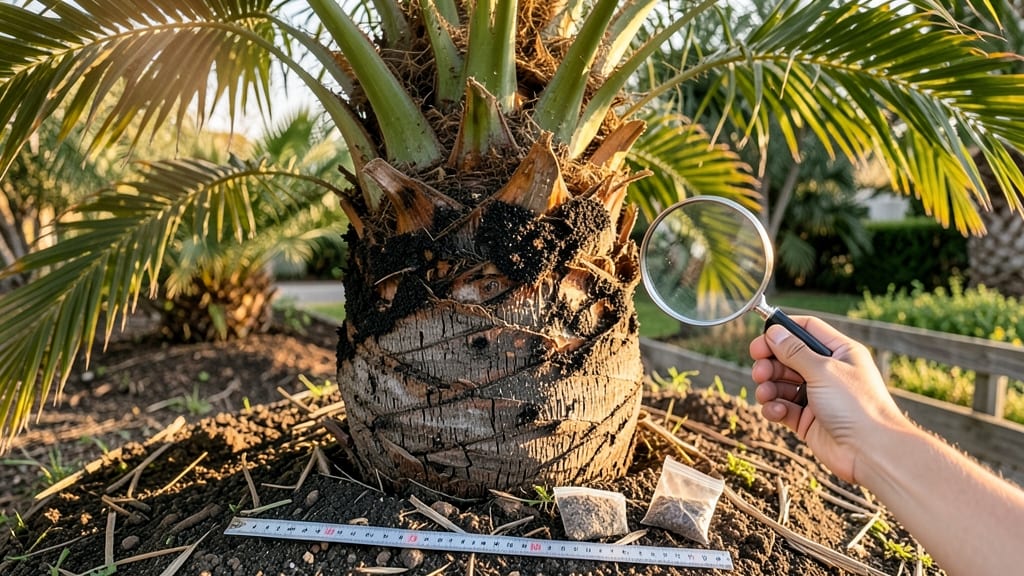
That dark, velvety black fungus creeping up your palm trunk isn’t just unsightly—it’s a silent threat to your tree’s health. 🌿 I’ve seen it spread from a small patch to a full-blown infection in just weeks, and the key to saving your palm is acting fast with the right identification and treatment.
This isn’t just about aesthetics; it’s about stopping the rot before it kills your tree.
The culprits are usually Phytophthora (root rot fungus) or sooty mold, but they start differently. Sap ooze from insect damage or mechanical wounds creates the perfect sticky surface for sooty mold to take hold, while Thielaviopsis often appears as black streaks near the base.
The good news? Both respond to the same 5-step cure—pruning, cleaning, fungicide, and better drainage—that I’ve used to revive multiple infected palms.
By the time you’re done, your palm will look clean and healthy again, with no more black spots spreading. The secret isn’t just spraying fungicide—it’s fixing the conditions that let the fungus thrive in the first place.
Think of it as a reset button for your tree’s health, and one that actually works without harsh chemicals if you catch it early.
Whether you’re dealing with a single palm or a whole grove, these steps adapt to any size. The worst mistake? Waiting until the fungus has already taken over. Let’s get that trunk looking fresh again—your palm’s future depends on it.
Root Causes Behind Fungal Growth
Black fungus creeping up your palm tree trunk isn’t just an eyesore—it’s a sign your tree is under stress. Understanding the why behind this issue is the first step to stopping it before it spreads. Let’s break down the key factors that turn your palm tree into a fungal buffet.
Fungi thrive in damp, humid conditions, and palm trees are particularly vulnerable when their trunks stay wet for too long. Here’s how moisture fuels the problem:
- Overwatering: While palms need hydration, soggy soil or water pooling at the base creates the perfect breeding ground. Pro tip: Stick your finger 2–3 inches into the soil—if it’s damp, wait before watering again.
- Poor Drainage: Compacted or clay-heavy soil traps water, preventing roots from drying out. If your tree sits in a low-lying area or a pot without drainage holes, excess moisture lingers.
- Rain & Irrigation Mist: Frequent overhead watering (like sprinklers) or heavy rainfall can splash water onto the trunk, keeping it damp. Actionable fix: Use drip irrigation or soaker hoses to deliver water at the roots, not the trunk.
💡 Quick Test: If the trunk feels slick or musty, moisture is likely the culprit. Let it dry out in sunlight for a few days to see if new growth slows.
A healthy palm tree’s natural defenses—like its bark and resin—can repel fungi. But when the tree is stressed, those barriers weaken. Common triggers include:
- Nutrient Deficiencies: Lack of key nutrients (like nitrogen, phosphorus, or potassium) makes palms more susceptible to infections. Signs: Yellowing fronds or stunted growth.
- Physical Damage: Cuts, cracks, or wounds from pruning, storms, or pests create entry points for fungal spores. ⚠️ Warning: Even a small nick can invite infection.
- Environmental Stress: Extreme heat, cold snaps, or sudden changes in light (like moving a potted palm indoors/outdoors) shock the tree, lowering its resistance.
🔥 Prevention Tip: Fertilize with a balanced palm-specific formula (like 8-2-12 NPK) in early spring and avoid pruning during wet seasons.
Fungal spores are everywhere—soil, air, even on tools—but they only cause problems when conditions are right. Here’s how they latch onto palm trees:
- Wind & Water Spread: Spores hitch rides on breezes or rain, landing on damp trunks. Example: A storm can drop spores from nearby infected plants.
- Contaminated Tools: Pruners, rakes, or even your hands can transfer spores from one tree to another. ✨ Pro Tip: Sterilize tools with a 10% bleach solution (1 part bleach to 9 parts water) between uses.
- Organic Debris Buildup: Leaves, mulch, or dead fronds piled against the trunk trap moisture and spores. Action: Keep the base of the tree clear (3–6 inches of space) and remove debris promptly.
🌡️ Humidity Alert: Spores germinate fastest in 70–90°F temperatures with high humidity. If your area is prone to these conditions, monitor trunks weekly for early signs.
Palm trees in tight spaces or shaded areas suffer from poor airflow, which traps moisture and heat—ideal for fungal growth. Key scenarios:
- Urban Plantings: Trees squeezed between buildings or sidewalks get less airflow and more reflected heat.
- Potted Palms in Shade: While some palms tolerate shade, stagnant air in pots (especially in garages or patios) increases risk.
- Mulch Overload: Thick mulch layers (over 4 inches) can suffocate roots and hold moisture against the trunk.
🎯 Solution: Thin out surrounding plants, trim nearby branches to improve airflow, and use organic mulch (like pine straw) sparingly.
Fixing Fungal Spots Fast
Now that you know what’s causing that unsightly black fungus on your palm tree trunk, let’s roll up our sleeves and tackle the problem head-on. The good news? With the right approach, you can restore your palm’s health and prevent future outbreaks.
Below are practical, step-by-step solutions tailored to the most common causes—plus prevention tips to keep your tree thriving.
If excess moisture is the culprit, your first move should be to reduce watering and improve drainage. Fungal spores love damp, soggy conditions, so cutting back on irrigation (especially during rainy seasons) is a game-changer.
🔧 Step-by-Step Fix:
- Trim Affected Leaves 🪒
- Use sterilized pruners to remove blackened or yellowing fronds at the base of the trunk. Dispose of them in a sealed bag (not your compost bin!) to prevent spore spread.
- Adjust Watering Habits 💦 - Water deeply but infrequently—aim for 1-2 times per week (adjust based on your climate).
Let the top 2-3 inches of soil dry out before watering again. - Pro Tip: 💡 If your palm is in a pot, ensure it has drainage holes and use a well-draining mix (cactus/succulent soil works well).
- Amend the Soil 🌿
- Mix in perlite, sand, or coconut coir to improve aeration. Avoid heavy clay soils that trap moisture.
- For container palms, consider repotting into a larger pot with fresh, fast-draining soil.
- Apply Fungicide (Optional but Helpful) 🛡️
- Spray a copper-based fungicide (like Copper Sulfate) or a neem oil solution (1 tbsp neem oil + 1 quart water + a drop of dish soap) on the trunk and soil. Reapply every 7-10 days until new growth appears.
High humidity or nearby fungal sources (like mulch piles or infected plants) can spread spores quickly. Here’s how to break the cycle:
🧹 Step-by-Step Fix:
- Remove Mulch from the Base 🪴
- Keep mulch at least 6 inches away from the trunk to allow airflow. If mulch is wet or decaying, replace it with wood chips or gravel.
- Disinfect Tools and Surroundings 🧼
- Clean pruners with rubbing alcohol between cuts.
- Remove any dead leaves or debris near the palm—fungi hitchhike on organic matter!
- Improve Air Circulation 🌬️
- Thin out nearby plants to reduce shade and humidity around the palm.
- If possible, prune taller plants to let sunlight reach the trunk (UV light inhibits fungal growth).
- Use a Protective Fungicide Spray 🛡️
- Apply a preventative fungicide like Serenade Garden or MycoStop to create a barrier. Follow label instructions for best results.
If pests (like palm weevils or aphids) have weakened your tree, it’s more vulnerable to fungal attacks. Strengthen its defenses with these steps:
💪 Step-by-Step Fix:
- Treat Pest Infestations Immediately 🐜 - For palm weevils, inject fipronil-based insecticide (like Talstar) into the trunk.
For aphids or scale, spray with soapy water or horticultural oil. - Pro Tip: 🔥 If the trunk is soft or oozing sawdust-like frass, the weevil larvae may already be inside—act fast!
- Fertilize for Recovery 🌱
- Apply a balanced palm fertilizer (high in potassium and magnesium) to help the tree recover. Avoid high-nitrogen fertilizers, which promote soft, fungus-loving growth.
- Best time to fertilize: Spring or early summer (when new fronds emerge).
- Apply a Systemic Fungicide 💊
- For severe cases, use a systemic fungicide like Propiconazole (follow safety instructions carefully).
- Alternative: A baking soda spray (1 tsp baking soda + 1 quart water + a drop of soap) can help in mild cases.
- Monitor and Repeat 👀
- Check the trunk weekly for new black spots. If the fungus returns, rotate fungicides to prevent resistance.
Once your palm is healthy, prevent future outbreaks with these easy maintenance habits:
- 🌧️ Water in the Morning – Wet foliage dries faster, reducing humidity.
- 🌿 Prune Regularly – Remove dead fronds before they become fungal breeding grounds.
- 🛡️ Spray Preventatively – Apply a neem oil or copper fungicide spray every 2-3 months during humid seasons.
- 🌞 Choose the Right Location – Plant palms in full sun (they need 6+ hours of sunlight daily).
- 🚫 Avoid Over-Mulching – Keep mulch thin and dry around the base.
Final Thought: 🎯 With consistent care, your palm can bounce back stronger than ever. The key is acting fast—don’t let black fungus take root (pun intended)! If the infection spreads despite your efforts, consider consulting a local arborist for advanced treatment.
Frequently asked questions about black fungus on palm tree trunks
What’s the difference between black fungus and sap ooze on a palm trunk?
Black fungus appears as velvety, powdery patches that spread across the trunk, while sap ooze looks like sticky, dark resin. Fungal growth stays on the surface and spreads, while sap is usually a one-time leak from insect damage or wounds. Test by gently scraping a small area—fungus will flake off, while sap will reveal clean bark underneath.
Can I use household vinegar to treat black fungus on my palm?
Yes, but dilute it properly! Mix 1 part white vinegar with 3 parts water and spray on the trunk (avoid foliage). The acidity helps kill fungal spores, but reapply every 3-5 days until the black spots disappear. For stubborn cases, alternate with a copper fungicide spray for better results.
How long does it take to see improvement after treating black fungus?
With proper care, you’ll notice changes in 1-2 weeks, but full recovery can take 4-6 weeks. The key is consistency—keep the trunk dry, remove infected fronds, and reapply fungicide as directed. If no improvement occurs after 3 weeks, the issue might be deeper (like root rot), and you should consult an arborist.
Will pruning infected fronds spread the fungus to other palms?
Yes, if you don’t sterilize your tools! Always clean pruners with rubbing alcohol or bleach solution (1 part bleach to 9 parts water) before and after use. Dispose of infected fronds in a sealed plastic bag (not compost) to prevent spores from spreading to nearby plants.
Can black fungus kill my palm tree if left untreated?
Absolutely—untreated black fungus can weaken the tree, leading to root rot, frond dieback, and even death in severe cases. The fungus blocks the trunk’s ability to transport nutrients, causing the palm to starve. Act fast: clean the trunk, improve drainage, and apply fungicide to give your tree a fighting chance.