
Diseases
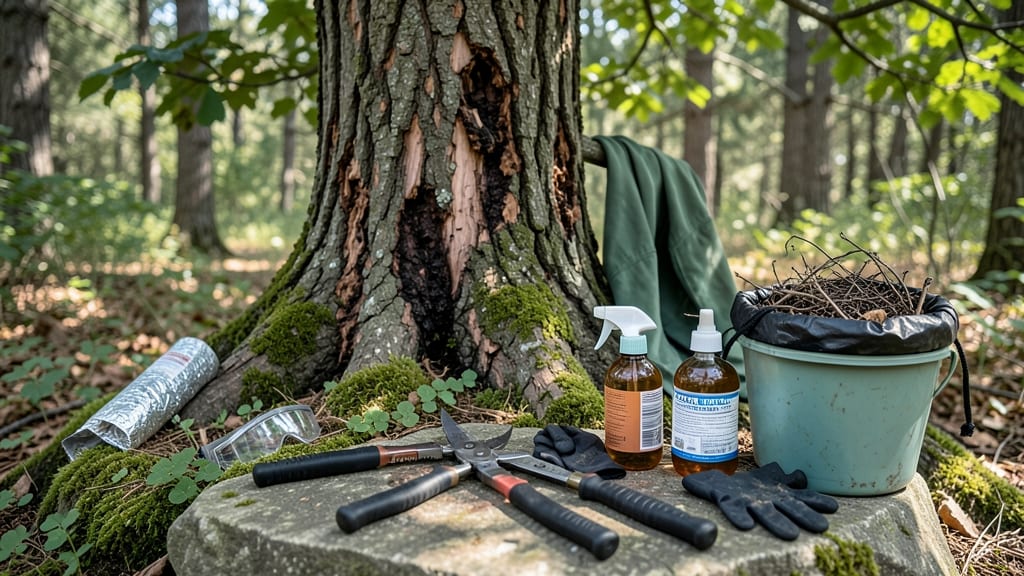
Your trees and lawns are fighting a silent battle—tree fungus removal in Aledo is critical when you spot those strange spots on bark or wilting leaves. 🌳 I’ve seen it turn healthy oaks into sad skeletons in just a few months, but there’s hope: early action stops the spread and saves your landscape.
The key is acting before the fungus moves deeper into the wood. Start by removing infected branches with sterilized pruners (bleach works), then apply a mix of copper fungicide (fastest fix) or neem oil (organic option).
Aledo’s heat and humidity make prevention critical—water at the base, not the leaves, and keep mulch 3 inches away from trunks. You’ll see new growth in 2-4 weeks if you catch it early. The worst cases need professional help, but most trees bounce back with the right care.
My neighbor’s oak went from brown patches to full leaves in a season after we tackled the fungus together. For stubborn cases, local arborists offer soil tests to check for deeper rot. But for now, grab those pruners and let’s get your trees fighting back!
Root Causes of Tree Fungus Spread
Fungal infections in trees aren’t random—they thrive due to specific environmental and biological triggers. Understanding these causes helps homeowners in Aledo take preventive action before minor spots become full-blown infestations. Below are the most common reasons fungi latch onto your trees and landscapes, explained in simple, actionable terms.
Fungi love water—it’s their lifeline. When trees sit in soggy soil or receive too much overhead irrigation, their bark and roots become a fungal buffet. Here’s why it’s a problem:
- Standing water creates the perfect humid microclimate fungi need to grow. Even after rain stops, damp bark and mulch can stay saturated for days. - Compacted or clay-heavy soil in Aledo’s clay-rich regions prevents proper drainage, trapping moisture at root level.
Fungi like Armillaria (shelf fungus) and Phytophthora (root rot) exploit this. - Overwatering weakens tree defenses. Healthy trees can fend off fungi, but stressed, waterlogged roots invite infection.
Actionable fix: Improve drainage with organic matter (compost or pine bark chips) and avoid watering at night. Use soaker hoses instead of sprinklers to keep foliage dry.
A tree’s immune system is its first line of defense against fungi. When stressed, it becomes vulnerable to opportunistic pathogens. Common stress factors include:
- Nutrient deficiencies (e.g., lack of nitrogen, potassium, or micronutrients like zinc) weaken cell walls, making them easier for fungi to penetrate. - Physical damage from storms, lawnmowers, or improper pruning creates entry points.
Even small wounds can let fungi like Cytospora (canker disease) take hold. - Competition from weeds or grass steals nutrients and water, starving the tree. Weak roots = easy fungal access.
Actionable fix: Test soil pH (ideal range: 6.0–7.0 for most trees) and fertilize with slow-release, balanced formulas. Prune in late winter/early spring to avoid stressing the tree during active growth.
Fungal spores are everywhere—in the air, soil, and even on tools. Once they land on a susceptible tree, they germinate and spread. Key sources in Aledo:
- Nearby infected trees or plants: Fungi like Heterobasidion (annosum root rot) spread via root grafts between trees. If a neighbor’s oak is dying from fungus, yours is at risk. - Contaminated mulch or wood chips: Cheap or untreated mulch can harbor dormant spores.
Some common offenders include cedar chips (high in phenols but can still host fungi) or diseased hardwood. - Gardening tools: Pruners, shovels, or even boots can transfer spores from one tree to another. Botryosphaeria (a common canker fungus) spreads this way.
Actionable fix: Sterilize tools with 70% isopropyl alcohol between uses. Choose disease-resistant mulch (e.g., pine straw or double-shredded hardwood) and remove fallen leaves/debris promptly.
Aledo’s humid summers and mild winters create a fungal paradise. Specific conditions accelerate growth:
- Warm, humid air (70–85°F) with high humidity (above 70%) speeds up spore germination.
Think of it as a fungal sauna. - Frequent rain or dew: Prolonged leaf wetness (12+ hours) triggers diseases like Anthracnose (common on sycamores and maples). - Sudden temperature swings: Stress from cold snaps followed by warm spells weakens trees, making them susceptible to Nectria canker.
Actionable fix: Monitor local forecasts and water trees early in the morning to allow foliage to dry. Space trees properly (3–5 feet apart for small species) to improve airflow and reduce humidity.
Some insects don’t just damage trees—they invite fungi.
For example: - Bark beetles (common in Aledo’s pine and oak trees) bore into bark, creating perfect entry points for Ophiostoma fungi, which causes blue-stain disease. - Sap-sucking insects like aphids or scale weaken trees by robbing them of nutrients, leaving them defenseless against Fusarium wilt. - Boring larvae (from beetles or moths) create tunnels that trap moisture, fostering fungal growth inside the wood.
Actionable fix: Inspect trees regularly for signs of pests (sawdust-like frass, chewed bark, or sticky honeydew). Use horticultural oil or insecticidal soap to treat infestations early.
Fixing Fungal Tree Issues Fast
Fungal infections in trees can feel like a losing battle—until you know the right moves. Whether it’s a stubborn anthracnose outbreak, root rot creeping up, or powdery mildew turning leaves into a ghostly white mess, targeted action is your best defense.
Below, we break down cause-specific fixes for Aledo’s most common tree fungus problems, plus prevention tips to keep your landscape healthy long-term.
Cause: Colletotrichum or Gloeosporium fungi thrive in wet, humid conditions, causing dark, sunken lesions on leaves and twigs. Fix:
- 🔪 Step 1: Trim the Infected Parts
- Use sterilized pruners (wipe with rubbing alcohol between cuts) to remove all infected leaves, twigs, and branches—even if they’re just brown or spotted. Fungi spread like wildfire through sap.
- Cut 6 inches below the last visible lesion to ensure you’re removing the entire infected zone.
- 🧹 Step 2: Clean Up Like a Pro
- Bag and dispose of pruned material in the trash (not your compost bin—fungi survive there!). If burning, do it far from other trees to avoid spores spreading via smoke.
- Sterilize tools again after cleanup to prevent cross-contamination.
- 💦 Step 3: Improve Airflow
- Thin out dense foliage to let sunlight and air circulate. Fungi love shade and dampness—break up that cozy environment!
💡 Prevention Tip:
- Water at the base (not overhead) and early in the day so leaves dry by evening. Avoid late-night watering—it’s a fungus party waiting to happen.
Cause: Waterlogged soil or wounds (like broken branches) invite root rot or shelf fungus (Armillaria), which strangle trees from the ground up. Fix:
- 💧 Step 1: Fix the Drainage
- If your tree is in a low spot or compacted soil, amend the soil with compost or sand to improve drainage. For severe cases, consider a French drain or raised bed.
- Stop overwatering—most trees drown in love. Check soil moisture 2 inches down before watering again.
- 🛠️ Step 2: Surgical Removal (For Advanced Cases) - If the fungus has formed shelf-like growths at the base, carefully dig around the roots (wear gloves!) and remove all infected tissue.
Use a sharp spade to make clean cuts. - Do NOT mulch near the trunk—keep mulch 3–6 inches away to prevent moisture buildup.
- 🌡️ Step 3: Fungicide Treatment (When Needed)
- For Phytophthora (common in Aledo’s clay soils), apply a phosphite-based fungicide (like Subdue or Aliette) before symptoms appear. Follow label rates—overuse can harm beneficial microbes.
🔥 Pro Tip:
- Mulch correctly: Use 2–4 inches of wood chips, not fresh bark or leaves. Too much mulch = rot city.
Cause: Erysiphe or Podosphaera fungi coat leaves in a white, powdery film, weakening trees and shrubs (especially elms, roses, and sycamores). Fix:
- 🧼 Step 1: Blast It Away
- On small trees/shrubs, hose off leaves with water + a drop of dish soap (1 tsp per gallon). The soap disrupts fungal spores without harming the plant.
- For larger trees, use a soft brush to scrub mildew off leaves gently.
- 🌿 Step 2: Boost Resistance
- Apply a baking soda spray (1 tbsp baking soda + 1 tsp oil + 1 tsp soap per gallon of water) every 7–10 days until mildew clears. Test on a few leaves first—some trees are sensitive.
- Fertilize lightly with low-nitrogen, high-phosphorus fertilizer (like 5-10-5) to strengthen the tree’s defenses.
- 🌞 Step 3: Sunlight Strategy
- If possible, prune nearby shade trees to let 6+ hours of sunlight reach your infected tree. Mildew hates UV rays.
✨ Prevention Hack:
- Space plants properly—3–5 feet apart for shrubs, 20+ feet for trees—to improve airflow and reduce humidity pockets.
If your tree shows oozing cankers, wilting leaves, or mushrooms at the base, it may be too late for a full recovery. However, you can: 1. Remove the tree safely (hire a pro if it’s large—Aledo’s arborists can help).
- Solarize the soil (if removing stumps): Cover the area with clear plastic for 6+ weeks in summer to kill lingering spores.
- Plant resistant species in the spot (e.g., oaks, pines, or crepe myrtles—less prone to fungus in Aledo’s climate).
Final Thought: Fungal tree problems aren’t a death sentence—they’re a call to action. Act fast, clean up thoroughly, and prevent future outbreaks with smart watering and airflow. Your trees (and your lawn’s curb appeal) will thank you! 🌳💪
Frequently asked questions about tree fungus in Aledo
What are the first signs of tree fungus I should watch for in Aledo?
Look for dark spots or streaks on bark, powdery white coatings on leaves, or mushrooms growing at the tree base. Early signs also include yellowing leaves, wilting branches, or oozing cankers. Aledo’s humidity makes these appear faster—check trees after heavy rains.
Can I use household items like vinegar or baking soda to treat tree fungus?
Yes, but with caution! A baking soda spray (1 tbsp baking soda + 1 tsp oil + 1 tsp soap per gallon) works for powdery mildew on leaves. For bark issues, undiluted white vinegar (sprayed on fungus) can help, but it’s less effective than fungicides. Always test on a small area first—some trees are sensitive.
How do I know if my tree’s fungus is treatable or if I need to remove it?
If the fungus is limited to leaves or small branches and the tree still has green leaves and firm bark, treatment can work. But if you see large mushrooms at the base, oozing cankers, or widespread dieback, the tree is likely beyond saving. In Aledo’s clay soil, root rot spreads quickly—consult a local arborist if unsure.
Why does fungus keep coming back even after I treat it?
Fungus often returns because spores remain in the soil or on tools. Always sterilize pruners with rubbing alcohol and remove all infected debris (don’t compost it!). Aledo’s humidity also encourages regrowth—apply preventive fungicide (like copper or neem oil) every 4-6 weeks during rainy seasons.
Are there fungus-resistant trees I can plant in Aledo?
Yes! Opt for native species like Texas Red Oak, Eastern Redbud, or Chinese Pistache—they’re tougher against Aledo’s fungal pressures. Avoid willows or elms, which are highly susceptible. When planting, use well-draining soil and space trees 20+ feet apart to reduce humidity buildup.