
Landscaping
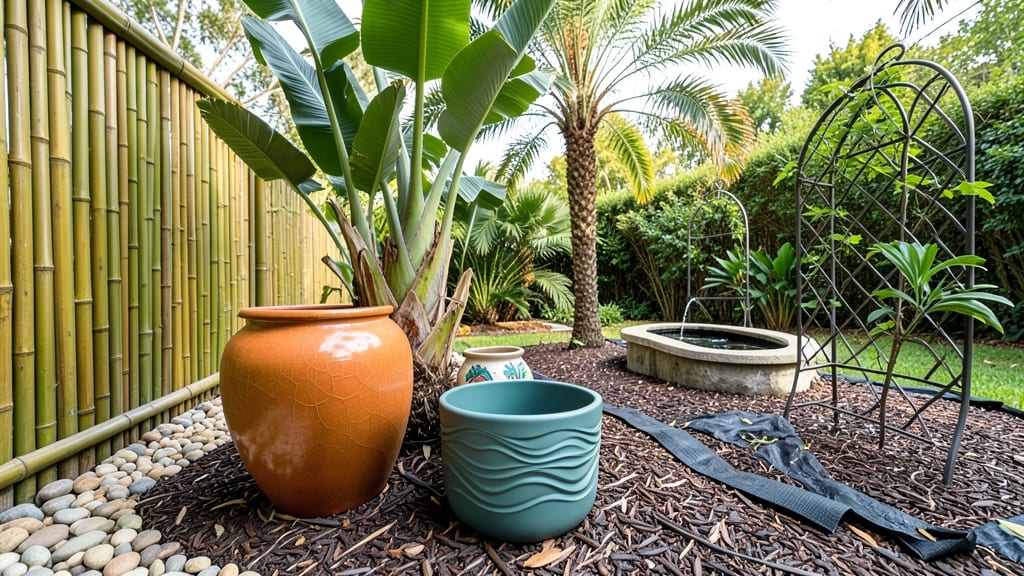
Your backyard could become a Caribbean retreat with banana tree landscaping ideas as its centerpiece. 🌿 These dramatic plants don't just provide shade—they create an instant tropical vibe that transforms any landscape into a lush escape.
I've turned mine into the ultimate privacy screen and shade provider, and the results are stunning year-round. The key is placement: banana trees thrive in warm climates (zones 10-11) but can handle cooler areas if protected. Pair them with bromeliads, bird-of-paradise, or hibiscus for a full tropical effect.
They grow fast—expect 10-15 feet in ideal conditions—so plan their location carefully. You'll love how they soften hard edges and add height to your garden. The large, glossy leaves create a natural umbrella effect, perfect for patios or pool areas.
Just be prepared for the dramatic fruit (even if you don't eat it—they're gorgeous). Works for modern, traditional, or boho-style gardens. Here's how to make them the star of your outdoor space while keeping them healthy and happy.
📚 In This Guide
- What you need
- Instructions
- Tips and common mistakes
- Wrapping up and next steps
What you need
- ● Banana trees (Musa spp.) – Choose dwarf varieties (like 'Dwarf Cavendish' or 'Ice Cream') for smaller spaces or tall varieties (like 'Red Dacca' or 'Lady Finger') for bold tropical statements. Quantity: 1–5 plants, depending on desired density.
- ● Well-draining soil mix – Combine 50% native soil, 30% compost, and 20% perlite or coarse sand to prevent root rot. Pro tip: Banana trees hate soggy feet! 💡
- ● Organic mulch – 3–4 inches of wood chips, pine straw, or shredded bark to retain moisture and regulate temperature.
- ● Slow-release fertilizer – Look for a balanced 6-6-6 or 8-3-9 NPK ratio with micronutrients like magnesium and potassium. Apply every 3–4 months during growing season.
- ● Garden shovel or spade – For digging holes 2–3 times wider than the root ball.
- ● Pruning shears or loppers – To trim dead fronds and encourage new growth. Sterilize blades with rubbing alcohol between cuts! 🔥
- ● Gloves (heavy-duty) – Banana tree thorns are no joke—opt for gardening or leather work gloves.
- ● Watering can or hose with nozzle – Banana trees love 1–2 inches of water weekly, but avoid wetting the leaves to prevent fungal diseases.
- ○ Stakes & ties (optional) – Use 3–4 ft bamboo stakes to support young or top-heavy varieties during storms.
- ● Sunlight – Full sun (6+ hours daily) for optimal growth. Partial shade works in hot climates but may reduce fruit production.
- ● Climate suitability – Banana trees thrive in USDA Zones 10–11. For colder regions, grow in containers and overwinter indoors.
- ● Space – Dwarf varieties need 6–8 ft apart; tall varieties require 10–15 ft for mature canopies.
- ● Drainage – Ensure the planting area has no standing water. Elevate containers or amend heavy clay soil.
Step-by-step guide to designing a stunning banana tree landscape
Here's how to create a lush tropical oasis that thrives all year—without the guesswork.
🌿 Step 1: Choose the Perfect Location for Your Banana Trees
Banana trees adore warmth and humidity, so pick a spot that gets full sun (6+ hours daily) and stays sheltered from harsh winds. I always check for afternoon shade in hot climates—too much direct sun can scorch leaves. The soil should drain well but retain moisture, so avoid low-lying areas where water pools.
If you're in a cooler zone, plant near a south-facing wall or use a large container that you can move indoors during winter. You'll see the difference immediately: healthy trees in ideal spots grow 6-10 feet tall with vibrant foliage, while stressed plants stay stunted and yellow.
☀️ Step 2: Prepare the Soil for Tropical Growth
Banana trees thrive in rich, slightly acidic soil with a pH between 5.5 and 7.0. Mix 3 inches of compost into the top 12 inches of soil to improve drainage and fertility. If your soil is heavy clay, add 20% perlite or coarse sand to loosen it up—banana roots need room to breathe.
I like to dig a hole twice as wide as the root ball but only as deep as the container it came in. This prevents burying the trunk too deeply, which can cause rot. Amend the backfill soil with a handful of banana tree fertilizer or organic matter like worm castings for an extra boost.
🪴 Step 3: Plant Your Banana Trees for Maximum Impact
Dig a hole wide enough to spread the roots without crowding. Gently loosen the root ball if it's tightly packed, then place the tree in the center. Fill the hole with soil, pressing lightly to eliminate air pockets, but don't compact it too much—banana roots are sensitive to tight soil.
Water deeply right after planting to settle the soil and remove any air gaps. Mulch around the base with 2-3 inches of organic mulch (like wood chips or straw) to retain moisture and regulate soil temperature. Keep the mulch 6 inches away from the trunk to prevent rot—this is where I see most beginners go wrong.
💧 Step 4: Water and Fertilize for Year-Round Growth
Banana trees love moisture but hate soggy roots, so water deeply 1-2 times per week, depending on your climate. You'll know it's time when the top 2 inches of soil feel dry. In hot weather, increase watering to every 3-4 days, but always check before watering—overwatering is the fastest way to kill these tropical beauties.
Feed your trees every 2-3 months with a balanced fertilizer (like 10-10-10) or a banana-specific fertilizer. I mix in 1 cup of compost around the base every few months for slow-release nutrients. You'll notice new leaves emerging within weeks—this is your sign the tree is thriving.
✂️ Step 5: Prune and Maintain for Long-Term Beauty
Remove any dead or yellowing leaves as soon as you spot them to keep the tree looking its best. When the plant flowers, you can choose to leave the fruit for harvest or prune it off to redirect energy into foliage growth. I usually remove the fruit if I'm focusing on aesthetics—it can weigh down the plant and make it look messy.
In colder climates, cut back dead fronds to the ground in late winter or early spring. This encourages fresh growth and keeps the tree looking tidy. If you're growing in a container, repot every 2-3 years to refresh the soil and give roots more space—this is when you'll see the biggest difference in growth.
Tips & tricks for creating a thriving banana tree landscape
Real talk: Even the best-laid tropical plans can go sideways without these key strategies. Here's what nobody tells you about keeping your banana trees lush and healthy year after round.
Location is Everything: That 6+ hours of full sun isn't just a suggestion—it's non-negotiable for banana trees. I've seen them struggle in spots that get "mostly sunny" because the afternoon sun is what they crave. If your yard has afternoon shade, consider using containers so you can move them to sunnier spots during peak hours. And remember: those tropical beauties need shelter from harsh winds, which can tear their delicate leaves.
Soil Science Matters: The pH range of 5.5-7.0 is critical, but don't just assume your soil meets it. Grab a soil test kit from your local garden center—it's cheap insurance against years of frustration. That 3 inches of compost mixed into the top 12 inches of soil creates the perfect balance of drainage and moisture retention. If you're working with heavy clay, that 20% perlite or coarse sand is your secret weapon for preventing root rot. I've seen banana trees thrive in amended clay soil that would have been disastrous before.
Planting Like a Pro: The hole should be twice as wide as the root ball but only as deep as the container it came in—this prevents burying the trunk too deeply, which leads to rot. When you're pressing soil around the roots, think "lightly firm" not "packed down." And that mulch? Keep it 6 inches away from the trunk—this is where I see most beginners make the fatal mistake of causing rot. Use wood chips or straw for that 2-3 inch layer, and you'll create the perfect moisture barrier without smothering the tree.
Watering Wisdom: The "top 2 inches dry" rule is your best friend, but don't just guess—stick your finger in the soil. In hot weather, you might need that every 3-4 days watering, but always check before pouring. I've lost count of how many people overwater and kill their banana trees thinking they're being extra careful. And that fertilizer? Stick to the 2-3 month schedule with balanced fertilizer—banana trees don't need constant feeding, just consistent nutrition.
Pro Tips for Banana Tree Landscaping Ideas
- Real talk: Even the best-laid tropical plans can go sideways without these key strategies.
- Location is Everything: That 6+ hours of full sun isn't just a suggestion—it's non-negotiable for banana trees.
- Soil Science Matters: The pH range of 5.5-7.0 is critical, but don't just assume your soil meets it.
Frequently asked questions
about banana tree landscaping—because every tropical dream deserves a little extra care!How fast do banana trees grow, and how long until they produce fruit?
Banana trees grow surprisingly fast—up to 3 feet per year under ideal conditions! However, fruiting depends on the variety: dwarf bananas may produce fruit in 1-2 years, while larger types can take 3-5 years. Patience is key, but the wait is worth it for those lush, tropical vibes!
Can banana trees survive winter in colder climates?
Most banana trees are tropical and thrive in USDA zones 10-11. In colder areas (zones 7-9), opt for dwarf varieties like ‘Dwarf Cavendish’ or grow them in containers to move indoors during frost. Mulch heavily and protect with burlap or row covers for extra warmth.
What are some low-maintenance alternatives to banana trees for tropical landscaping?
If banana trees feel too high-maintenance, try these easy-care tropical plants:
- Bird of Paradise – Bold foliage, drought-tolerant
- Palm Trees (e.g., Pygmy Date Palm) – Hardy and architectural
- Elephant Ear (Colocasia) – Stunning leaves, thrives in shade
- Bromeliads – Low-water, colorful, and pet-friendly
Why are my banana tree leaves turning yellow or brown?
Yellow/brown leaves usually signal overwatering, pests, or nutrient deficiencies. Check for:
- Root rot – Ensure well-draining soil and avoid soggy roots
- Spider mites or aphids – Spray with neem oil or insecticidal soap
- Potassium/magnesium deficiency – Fertilize with a balanced tropical plant food
How close can I plant a banana tree to my house or driveway?
Banana trees need space to spread—plant at least 10-15 feet from structures to avoid root intrusion or falling fruit. For containers, ensure the pot is at least 2 feet wide/deep and place it where it won’t block walkways. Dwarf varieties can tolerate tighter spaces (6-8 feet), but always check your specific cultivar’s mature size!
Wrapping up and next steps
Transforming your outdoor space into a lush, tropical paradise with banana trees is easier—and more rewarding—than you think! 🌿 From their striking foliage to their year-round greenery, these versatile plants add drama, texture, and a touch of the exotic to any landscape.
Whether you’re a seasoned gardener or just starting out, the key is to choose the right variety, prepare your soil, and embrace their bold, architectural charm.
Now that you’re armed with inspiration and know-how, it’s time to roll up your sleeves and plant your vision. Start small with a single statement plant, or go big with a full tropical canopy—your backyard (or balcony!) will thank you. Happy planting! 🌺✨