
Diseases
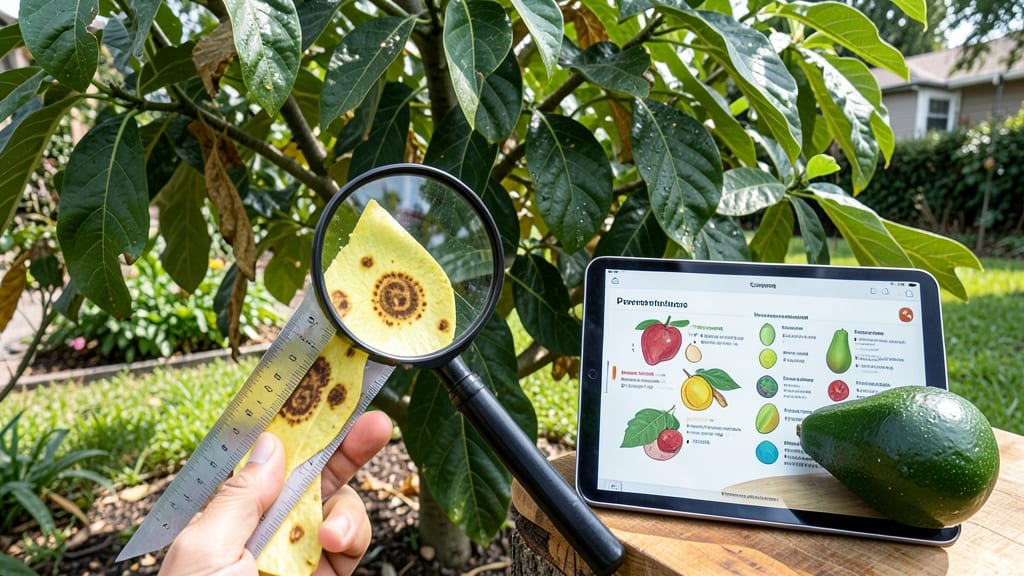
Your avocado tree’s health starts with spotting avocado tree diseases early—before it’s too late, with the right pictures to guide you. 🌿 I’ve seen root rot turn a thriving tree into a sad skeleton in just months, and the first sign was often overlooked: yellowing leaves or odd spots.
This guide shows you exactly what to watch for, from fungal blemishes to pest damage, so you can act before the tree declines.
Most diseases creep in through stress—overwatering, poor drainage, or weak soil. The good news? Avocados are tough once you address the basics. You’ll learn to recognize 10 common diseases by their unique marks, like the dark rings of anthracnose or the greasy spots of phytophthora.
Prevention is easier than you think: prune for airflow, sterilize tools, and keep mulch away from the trunk.
With the right moves, you can save even a struggling tree. I’ve nursed back trees with root rot by adjusting watering and adding compost, and stopped leaf spot with a simple copper spray.
The key is acting fast—once the damage spreads, recovery gets harder. You’ll leave here knowing what to look for and how to stop it.
This isn’t just about fixing problems—it’s about keeping your tree strong year-round. We’ll cover organic fixes, when to call a pro, and how to adjust care based on your climate.
Think of this as your avocado tree’s first line of defense, with images to match every symptom you might see.
Root Causes Of Avocado Tree Ailments
Avocado trees, while resilient, are susceptible to a variety of diseases that can stunt growth, discolor foliage, or even kill the tree if left unchecked. Understanding why these issues arise is the first step in prevention and treatment.
Below, we break down the most common culprits—from microbial invaders to environmental stressors—and explain the science behind their damage.
Fungi thrive in warm, humid conditions, making them a persistent threat to avocado trees. These microscopic organisms exploit weak spots in the tree’s defenses, often entering through wounds, poor air circulation, or overwatered soil.
- Phytophthora Root Rot: This water-loving fungus (Phytophthora cinnamomi) spreads through saturated soil, blocking water and nutrient uptake. It thrives in poorly draining areas, where roots suffocate in standing water. The fungus secretes toxins that disrupt cell membranes, leading to brown, mushy roots and wilting leaves.
- Anthracnose (Colletotrichum spp.): This fungus targets young leaves, fruit, and stems, causing dark, sunken lesions. It spreads via wind, rain, or contaminated tools, exploiting high humidity and warm temperatures (75–85°F) to germinate and infect.
- Powdery Mildew (Oidium spp.): While less aggressive than root rot, this fungus coats leaves in a white, powdery film, blocking sunlight and stunting photosynthesis. It flourishes in shaded, low-airflow areas, especially when trees are stressed from drought or nutrient deficiencies.
💡 Pro Tip: Fungal spores often lurk in soil or old plant debris. Remove fallen leaves and sterilize pruning tools with a 10% bleach solution to break the infection cycle.
Unlike fungi, bacteria are single-celled organisms that multiply rapidly in moist conditions. They often enter through physical wounds (e.g., from pruning, hail, or insect bites) and release enzymes that break down plant tissues.
- Bacterial Canker (Pseudomonas syringae pv. avocados): This bacterium causes oozing, dark lesions on stems and branches. It spreads via rain splash or contaminated tools, thriving in warm, wet weather. Infected areas become girdled, cutting off nutrient flow and leading to dieback.
- Xanthomonas Leaf Spot: This bacterium creates water-soaked, yellow-brown spots on leaves, which eventually drop prematurely. It spreads through infected plant debris and overhead irrigation, exploiting high humidity to colonize new tissue.
⚠️ Warning: Bacteria are not treatable with fungicides. The best defense is prevention: sterilize tools, avoid overhead watering, and remove infected plant parts immediately.
Avocado trees are sensitive to extreme or inconsistent environmental factors. While not "diseases" per se, these stressors weaken the tree, making it more vulnerable to pathogens.
| Stressor | How It Harms the Tree | Prevention Tips |
|---|---|---|
| Water Stress (Over/Underwatering) | Overwatering leads to root suffocation and fungal growth (e.g., Phytophthora), while drought weakens the tree, making it susceptible to sunburn and insect attacks. | Test soil moisture weekly; water deeply but infrequently (1–2 inches per week). Use drip irrigation to avoid wetting foliage. |
| Poor Air Circulation (Overcrowding, Dense Foliage) | Stagnant air traps humidity, creating ideal conditions for powdery mildew and anthracnose. Compacted soil also restricts root growth. | Prune regularly to open the canopy. Space trees 15–20 feet apart and mulch properly to improve airflow. |
| Extreme Temperatures (Frost, Heatwaves) | Avocados (Persea americana) are tropical; frost damages leaves (blackening), while heat stress causes sun scorch and nutrient deficiencies. | Plant in microclimates with afternoon shade. Mulch heavily in winter to insulate roots and water deeply during heatwaves. |
| Nutrient Deficiencies (N, K, Zn) | Lack of nitrogen causes yellow leaves (chlorosis), while potassium or zinc deficiencies weaken cell walls, making the tree more prone to infections. | Test soil annually and amend with balanced fertilizer (e.g., 6-6-6 NPK). Foliar spray zinc if needed. |
🌡️ Quick Fix: If your tree shows signs of stress (e.g., leaf curl, stunted growth), adjust care immediately. A stressed tree is a magnet for diseases.
Some pests don’t just feed on avocado trees—they create entry points for diseases. For example, avocado lace bugs pierce leaves, leaving wounds that fungi or bacteria can infect.
- Scale Insects: These sap-sucking pests excrete honeydew, a sticky residue that fosters sooty mold (a black fungal growth). The mold blocks sunlight, further stressing the tree.
- Avocado Thrips: These tiny insects scar fruit and transmit viruses like Avocado Sun Blotch Virus (ASBV), which causes yellow, sunken lesions on leaves and fruit.
- Root-Knot Nematodes: These microscopic worms burrow into roots, creating galls that disrupt water uptake and invite fungal infections like root rot.
🔥 Action Step: Monitor for pests weekly and apply horticultural oil or neem spray to deter infestations. Healthy trees repel pests better—focus on soil health and proper pruning.
Quick Fixes for Common Avocado Tree Ailments
Avocado trees are resilient, but when diseases strike, acting fast can mean the difference between saving your tree and losing it. Below, we’ve mapped out practical, step-by-step solutions for the most common avocado tree diseases—plus prevention tips to keep your tree thriving.
Think of this as your emergency repair manual for leaf spots, root rot, and fungal infections.
Signs: Yellowing leaves, soft stems, foul-smelling soil, and mushrooms at the base.
How to Fix It: 🔥 Step 1: Improve Drainage Immediately
- Dig a 6-inch trench around the tree’s drip line (the area where leaves extend).
- Fill it with gravel or coarse sand to redirect excess water away from roots.
- If soil is compacted, aerate with a garden fork every 6–12 months.
🍳 Step 2: Prune Damaged Roots (Sterilized Tools Only!)
- Use sharp, sterilized pruners to trim black, mushy roots (healthy roots are firm and white).
- Avoid over-pruning—remove no more than 20% of the root system at once.
👨🍳 Step 3: Apply Fungicide
- Mix copper fungicide (like Copper Sulfate) with water (1 tsp per gallon) and drench the soil around the roots.
- Repeat every 2–3 weeks until new growth appears.
🥘 Step 4: Adjust Watering Habits
- Water deeply but infrequently—avocados hate soggy soil. Aim for 1–2 inches per week (check with a trowel: soil should be moist but not waterlogged).
- Mulch with wood chips (2–3 inches thick) to retain moisture without suffocating roots.
💡 Prevention Tip: Plant avocados in well-draining soil (amend clay soil with compost + perlite). Avoid overwatering, especially in winter when growth slows.
Signs: Dark brown/black spots with yellow halos on leaves, defoliation, and possible fruit blemishes.
How to Fix It: 🔥 Step 1: Remove Infected Leaves
- Bag and discard (or compost only if heat-treated) all spotted leaves to prevent spores from spreading.
- Sterilize pruners with rubbing alcohol between cuts.
🍳 Step 2: Apply Organic Fungicide
- Neem oil spray (1 tbsp neem oil + 1 tsp mild soap per quart of water) every 7–10 days for 4 weeks.
- For severe cases, use copper fungicide (follow label rates).
👨🍳 Step 3: Improve Air Circulation
- Thin out dense foliage to allow sunlight and airflow.
- Space trees 15–20 feet apart if replanting.
🥘 Step 4: Water at the Base (Not the Leaves)
- Avoid overhead watering—fungi love damp leaves. Water early in the day so foliage dries quickly.
🌡️ Prevention Tip: Rotate fungicides (e.g., neem oil one month, copper the next) to avoid resistance. Sanitize tools after pruning.
Signs: Sunken, dark lesions on fruit and leaves; sticky honeydew (a sign of sap-sucking insects).
How to Fix It: 🔥 Step 1: Harvest & Destroy Infected Fruit
- Pick all affected fruit immediately—don’t compost it. Burn or trash to stop spore spread.
🍳 Step 2: Spray with Copper Fungicide
- Use Bordeaux mixture (copper sulfate + hydrated lime) every 2 weeks during wet seasons.
- Alternative: Sulfur-based fungicide (for organic gardens).
👨🍳 Step 3: Control Insect Vectors
- Spinosad spray (derived from soil bacteria) kills fruit flies and thrips, which spread anthracnose.
- Sticky traps near the tree can catch adult flies.
🥘 Step 4: Prune for Sunlight
- Remove shaded branches—anthracnose thrives in humid, low-light conditions.
✨ Prevention Tip: Plant resistant varieties like Hass or Fuerte (less prone to anthracnose). Avoid wounding fruit (e.g., rough handling).
Signs: White/yellow patches on fruit, crispy leaf edges, or scorched-looking spots.
How to Fix It: 🔥 Step 1: Provide Temporary Shade
- Use shade cloth (30–50%) on the south/southwest side of the tree for 2–3 hours daily during peak sun (10 AM–2 PM).
- Mulch heavily (4–6 inches of wood chips) to cool root zones.
🍳 Step 2: Water Deeply in Heatwaves
- Drip irrigation is best—water slowly for 20–30 minutes to penetrate deep roots.
- Avoid wetting leaves (can cause fungal issues).
👨🍳 Step 3: Apply Anti-Transpirant (Optional)
- Wax-based sprays (like Wilt-Pruf) create a temporary protective film on leaves to reduce water loss.
💡 Prevention Tip: Plant in microclimates with natural shade (e.g., near taller trees). Avoid transplanting in summer—stress + heat = disaster.
- Test soil pH (avocados prefer 6.0–7.0).
Adjust with lime (to raise) or sulfur (to lower). - Rotate fungicides to prevent resistance. - Inspect trees weekly for early signs of disease. - Avoid overhead irrigation—use drip systems instead. - Prune in dry weather to minimize fungal entry points.
Frequently asked questions about avocado tree diseases
What are the most common signs I should look for in avocado tree pictures?
Start with leaf discoloration—yellowing, brown spots, or white powdery coatings. Check for dark sunken lesions on fruit or stems (common in anthracnose), and inspect roots for black, mushy areas (sign of root rot). Early detection is key—these marks often appear before the tree shows wilting or dieback.
Can I use the same fungicide for all avocado tree diseases?
No—fungicides vary by pathogen. For fungal issues like root rot or powdery mildew, use copper-based sprays. Bacterial problems (e.g., canker) require copper + pruning, while neem oil works for mild fungal spots. Always rotate treatments to prevent resistance. Never use household bleach—it burns plant tissue.
How often should I check my avocado tree for diseases?
Inspect your tree weekly during growing seasons (spring-fall) and biweekly in winter. Focus on new growth, undersides of leaves, and fruit surfaces—these are hotspots for early symptoms. Morning light helps spot issues faster. Pro tip: Take monthly photos to track changes over time.
What’s the fastest way to stop root rot from spreading?
Act immediately: Improve drainage by digging a 6-inch gravel trench around the base, then prune 20% of mushy roots with sterilized tools. Apply copper fungicide (1 tsp/gallon) to the soil and water deeply but infrequently (1–2 inches/week). Stop watering entirely if soil stays soggy for more than 48 hours.
Are there disease-resistant avocado varieties I should plant?
Yes! Hass and Fuerte varieties show better resistance to anthracnose and root rot than others. For tropical climates, consider Lamb Hass—it tolerates humidity better. Always plant in well-draining soil and avoid low-lying areas where water pools. Healthy soil = stronger natural defenses.