
Blooming
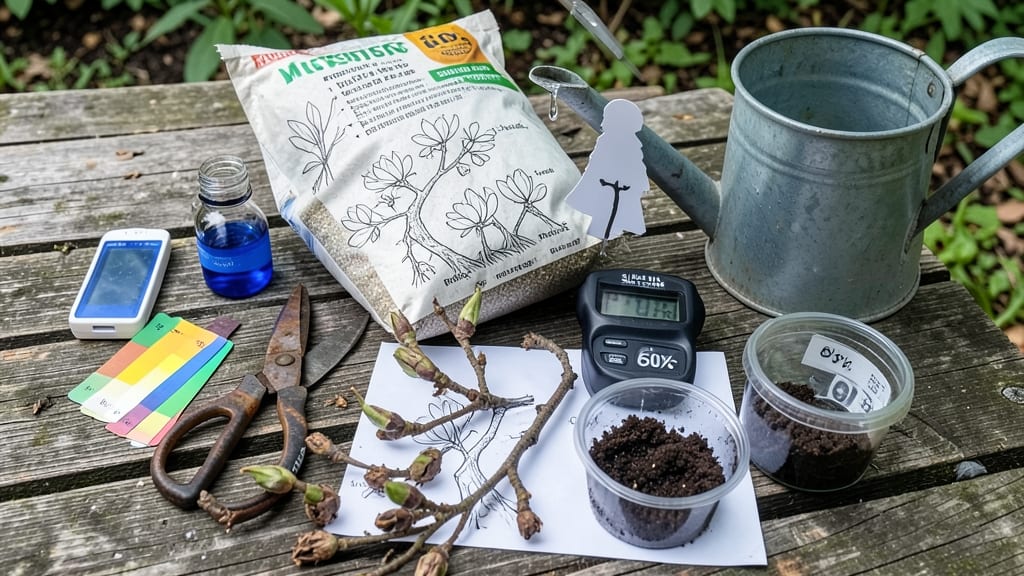
Your magnolia tree doesn’t bloom because it’s either too young, stressed, or not getting what it needs to shine. 🌸 I’ve had mine sit silent for years—until I fixed these five overlooked issues that keep magnolias from bursting into spring color.
The good news? Most fixes take less than an hour and start working immediately.
First, check its age—magnolias often wait 5-10 years before their first big bloom. If yours is older, it might need better sunlight (they crave 6+ hours of morning sun) or a pruning reset (never trim after buds form).
Overwatering or compacted soil can also suffocate roots, starving the tree of the energy it needs for flowers.
With the right care, you’ll see buds within 2-3 seasons. Start by testing soil moisture (stick your finger in—if it’s soggy, drain it) and feeding with magnolia-specific fertilizer in early spring. A little patience and precision go a long way—my tree now drops petals like confetti every April.
Works for all magnolia types, from Southern beauties to cold-hardy hybrids. Let’s troubleshoot step by step—your tree’s spring show is closer than you think.
Common Culprits Behind No Blooms
Magnolia trees are known for their stunning, fragrant blooms—but when they fail to flower, it’s often due to a mix of environmental, biological, or cultural factors. Understanding these causes is the first step to bringing back those show-stopping blossoms.
Let’s break down the science behind why your magnolia might be playing hard to bloom.
---
Magnolias are slow growers, and younger trees (typically under 5–10 years old) may not have the energy reserves or root system strength to produce flowers. Their primary focus is establishing a robust root network before shifting energy to blooms.
Why it happens: - Limited energy storage: Young trees prioritize root and trunk growth over reproductive processes (flowering). - Insufficient nutrient reserves: Without years of soil buildup, the tree lacks the carbohydrates and nutrients needed for blooming. - Delayed maturity: Some magnolia varieties (like Magnolia grandiflora) take 10+ years to flower, while others (like Magnolia stellata) may bloom earlier but still need patience.
Actionable fix: - Patience is key! Avoid pruning heavily or over-fertilizing young trees, as this can stress them further. - Test soil health (pH 4.5–6.5 is ideal for magnolias) to ensure roots can access nutrients efficiently.
---
Magnolias are light-demanding plants, and too much shade or poor site selection can stunt flower production.
Why it happens: - Photosynthesis limitations: Flowers require energy from sunlight. In deep shade (e.g., under tall trees or dense foliage), the tree can’t generate enough chlorophyll or sugars for blooming. - Temperature sensitivity: Some magnolias (like Magnolia × soulangeana) need full sun (6+ hours/day) to trigger flowering hormones. - Wind exposure: While magnolias tolerate some breeze, excessive wind can damage buds before they open.
Actionable fix: - Relocate if needed: Move your tree to a spot with morning sun and afternoon light (avoid harsh afternoon sun in hot climates). - Prune overhanging branches to increase sunlight exposure. - Mulch properly (2–3 inches of organic mulch) to regulate soil temperature and retain moisture.
---
Magnolias thrive in well-draining, slightly acidic soil with consistent moisture—but too much or too little water can halt blooming.
Why it happens: - Drought stress: Dry soil triggers abscisic acid (a plant stress hormone) that diverts energy away from flowers to root survival. - Overwatering: Soggy soil leads to root rot (Phytophthora fungi), starving the tree of oxygen and nutrients. - Compacted or nutrient-poor soil: Magnolias need organic matter (like compost) and micronutrients (zinc, magnesium) to produce flowers.
Actionable fix: - Water deeply but infrequently: Aim for 1–1.5 inches per week (more in extreme heat). - Improve drainage: Amend clay soil with sand or perlite; raise containers slightly off the ground. - Fertilize in early spring with a balanced, slow-release fertilizer (10-10-10) or one high in phosphorus (for blooms).
---
Pruning at the wrong time or too aggressively can remove next year’s flower buds, which form in late summer/fall.
Why it happens: - Bud removal: Magnolia flower buds develop on old wood (last year’s growth). Pruning in late winter/early spring (when buds are visible) can cut them off. - Stress response: Heavy pruning triggers ethylene gas production, which can suppress flowering. - Top-heavy growth: Poor pruning habits (e.g., shearing) can weaken the tree’s structure, reducing energy for blooms.
Actionable fix: - Prune after flowering (late spring/summer) to avoid cutting off new buds. - Avoid "heading back" cuts—instead, prune to open the canopy for better airflow and light. - Use sharp, sterilized tools to prevent disease entry.
--- Aphids, scale insects, magnolia scale, or fungal diseases (like anthracnose) can sap energy meant for flowers.
Why it happens: - Sap-sucking pests (e.g., magnolia scale) block nutrient transport, causing yellowing leaves and stunted growth. - Fungal infections (e.g., Botryosphaeria) can clog xylem vessels, reducing water and nutrient flow to buds. - Root diseases (e.g., Armillaria root rot) weaken the tree’s overall health.
Actionable fix: - Inspect leaves/stems for pests (sticky residue = aphids; white cottony masses = scale). - Apply horticultural oil (in dormant season) or neem oil to control pests. - Remove infected branches and treat with fungicide (copper-based) if needed.
--- Magnolias are cold-hardy but temperature-sensitive—too much heat, frost, or sudden swings can disrupt flowering.
Why it happens: - Late frosts: Early spring blooms (like Magnolia stellata) can be frost-damaged, causing buds to drop. - Heat stress: Temperatures above 90°F (32°C) can inhibit pollination or cause buds to abort. - Winter desiccation: Young trees or those in windy, exposed sites may suffer cold stress, diverting energy to survival.
Actionable fix: - Protect early bloomers with frost cloth in late winter. - Water deeply in summer to cool roots and soil. - Choose the right variety for your climate (e.g., Magnolia grandiflora for warm zones; Magnolia × loebneri for colder areas).
--- Pro Tip: 💡 Keep a blooming journal! Track sunlight, watering, and pruning dates to identify patterns. Often, the fix is as simple as adjusting one of these factors.
Quick Fixes for Non-Blooming Magnolia
Reviving your magnolia’s blooming potential starts with pinpointing the root cause—and then taking action! Below, we’ve mapped out practical, step-by-step solutions for each common reason your tree might be skipping its spring floral show.
From pruning hacks to soil secrets, these fixes are designed to be easy to implement and highly effective for coaxing those iconic blooms back to life.
---
Problem: Magnolias often take 3–10 years to mature enough for blooms. Young trees focus energy on root and trunk growth first.
How to Help It Along: - Patience is key! 🕒 Avoid pruning excessively—this stresses the tree and delays flowering. - Feed wisely: Use a balanced, slow-release fertilizer (10-10-10 or 20-20-20) in early spring (before buds swell) and fall. Avoid high-nitrogen fertilizers—they promote leafy growth over flowers. - Water deeply but infrequently: 💧 Established trees need 1–2 inches of water per week, especially during dry spells. Overwatering can suffocate roots and delay blooming. - Pro tip: 🌡️ If your tree is in a hot, dry climate, mulch heavily (3–4 inches of organic mulch) to retain moisture and cool roots.
Prevention: ✔️ Plant mature grafted magnolias (like ‘Ann’ or ‘Elizabeth’) if you’re impatient—they bloom faster. ✔️ Avoid transplant shock—only move young trees in early spring or fall.
---
Problem: Pruning at the wrong time (during bloom season or late summer) removes next year’s flower buds. Heavy pruning also stresses the tree.
How to Prune Correctly: - When to prune: 🔪 Late winter or early spring (just after blooms fall) is ideal. Avoid pruning in summer or fall—this can stimulate weak growth that won’t flower. - What to cut: Remove dead, diseased, or crossing branches only. Never trim more than 25% of the canopy in one season. - Shape with care: 👨🍳 If thinning, focus on opening the center for better airflow (but don’t overdo it—magnolias hate being "haircut"). - Avoid topping: Never cut back the top like a hedge—this removes future bloom sites.
Prevention: ✔️ Mark branches with ribbon before pruning to avoid over-cutting. ✔️ Use sterilized tools (rubbing alcohol or bleach) to prevent disease spread.
---
Problem: Magnolias crave sunlight (6–8 hours daily) but can’t handle scorching afternoon sun in hot climates. Shade or wrong exposure stunts blooms.
How to Optimize Light: - Move it (if possible): 🌳 If your tree is in deep shade, transplant in early spring to a sunnier spot. Choose a location with morning sun + afternoon shade. - Thin nearby trees: 🌿 Prune overhanging branches to let light reach the canopy. - Reflect sunlight: Use light-colored mulch or a white-painted wall nearby to bounce extra light onto the tree. - For hot climates: 🌡️ Provide afternoon shade with a lightweight shade cloth (30–50% block) during peak summer months.
Prevention: ✔️ Plant dwarf varieties (like ‘Little Gem’) if space is limited—they tolerate partial shade better. ✔️ Avoid planting under large evergreens (they cast dense shade).
---
Problem: Soggy soil (from overwatering or poor drainage) rots roots, while drought stress weakens the tree—both can halt blooming.
How to Fix Watering Woes: - Check soil moisture: 🏺 Stick your finger 2–3 inches deep—if dry, water deeply. If muddy, wait 2–3 more days. - Improve drainage: 🚿 Amend heavy clay soil with compost or sand (50/50 mix). For containers, use well-draining potting mix with perlite. - Water deeply, less often: 💦 1–2 times per week (more in extreme heat) with 5–10 gallons per watering to encourage deep roots. - Avoid wetting foliage: 🌧️ Water at the base to prevent fungal diseases (like powdery mildew) that stress the tree.
Prevention: ✔️ Install a drip irrigation system for consistent moisture without overwatering. ✔️ Plant on a slight mound to improve drainage in clay-heavy soils.
---
Problem: Scale insects, spider mites, or fungal infections (like anthracnose) sap energy meant for flowers.
How to Treat Infestations: - Identify the issue: 🔍 Check for sticky residue (honeydew), yellowing leaves, or black sooty mold. - Blast pests off: 💦 Spray with a strong hose stream to dislodge soft-bodied insects (like aphids). - Use neem oil: 🌿 Mix 1 tbsp neem oil + 1 tsp mild soap per gallon of water and spray every 7–10 days until pests vanish. - Fungal fixes: 🍄 Treat powdery mildew with baking soda spray (1 tbsp baking soda + 1 quart water + a drop of soap). For anthracnose, apply copper fungicide in early spring. - Encourage predators: 🐞 Plant marigolds or lavender nearby to attract ladybugs and lacewings.
Prevention: ✔️ Prune and dispose of infected branches immediately (don’t compost them!). ✔️ Water in the morning to let foliage dry quickly, reducing fungal spores.
--- Problem: Late frosts, heatwaves, or drought can shock the tree and cause buds to drop before opening.
How to Protect Your Tree: - Frost protection: 🧊 Cover buds with frost cloth if a late frost is forecast (remove during the day). - Mulch like a pro: 🍂 Apply 4–6 inches of mulch in a donut shape (keep it 6 inches from the trunk) to regulate soil temp. - Shade cloth in summer: ☀️ Use 30–50% shade cloth during peak heat (90°F+ days) to prevent bud burn. - Deep watering before droughts: 💧 Water slowly and deeply 2 weeks before dry spells to build root resilience.
Prevention: ✔️ Choose heat-tolerant varieties (like ‘Jane’ or ‘Black Tulip’) for hot climates. ✔️ Avoid transplanting during extreme heat or cold snaps.
Frequently asked questions
How do I know if my magnolia tree is too young to bloom?
Most magnolias take 5-10 years to produce their first significant blooms. Look for mature trees with a trunk diameter of at least 4-6 inches—these typically have enough energy reserves. Younger trees focus on root and trunk growth first, so patience is key. Check your tree's variety too: Magnolia stellata blooms faster than Magnolia grandiflora.
Can I force my magnolia to bloom faster?
You can't rush nature, but you can optimize conditions! Focus on balanced fertilization (10-10-10 in early spring), proper sunlight (6+ hours daily), and consistent moisture. Avoid high-nitrogen fertilizers—they promote leaves over flowers. For impatient gardeners, consider grafted varieties like 'Ann' which bloom within 3-5 years.
What's the best time to prune a non-blooming magnolia?
Always prune after flowering (late spring/summer) to avoid cutting off next year's buds. Never trim in winter—this removes flower buds that form on old wood. Limit cuts to 25% of the canopy and focus on removing dead/diseased branches. Use sharp, sterilized tools to prevent infections that could further stress the tree.
Why do my magnolia buds form but then drop before opening?
This usually happens due to environmental stress—common triggers include late frosts, extreme heat (90°F+), or drought. Protect early bloomers with frost cloth in late winter. For heat stress, provide afternoon shade with 30-50% shade cloth during peak summer months. Deep watering before droughts also helps build root resilience.
How can I tell if my magnolia's lack of blooms is from pests or disease?
Look for these signs: Sticky residue on leaves (aphids), white cottony masses (scale insects), or yellowing/browning leaves (fungal infections). Check for sooty mold (black fungal growth) on stems. Treat pests with neem oil and fungal issues with copper fungicide. Remove heavily infected branches immediately.